KANAZAWA
Kanazawa Travel Guide: A One-Day Itinerary for Japan’s City of Gold
So, you’re in Kanazawa City for the day. Compared to Tokyo, Osaka, and Kyoto, Kanazawa is a breath of fresh air with no shortage of traditional atmosphere. In other words, it’s a great place to slow down, relax, and take in some culture. One of the city’s most famous attractions is the East Teahouse District.
Picturesque Geisha Town
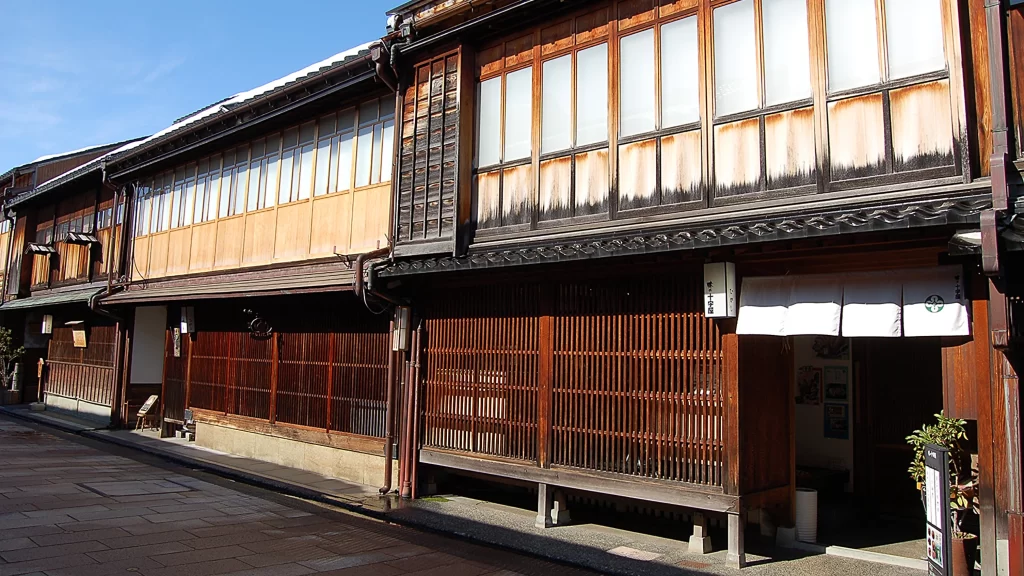
There’s no better place to find a quintessentially Japanese neighborhood. Most of the buildings were constructed in the 19th century and there’s one in particular that offers a truly one-of-a-kind experience, inviting you to poke around inside: Geisha House Shima. There’s a lot more to being a geisha than getting all dolled up. These ladies were schooled, from a very young age, in Japan’s musical and literary legacy. In a time when the arts were reserved solely for the ruling class, geisha were the ones to faithfully perform the most sophisticated of songs and poems. At Geisha House Shima, you can imagine yourself as a samurai lord awaiting an evening’s entertainment of music, dance, party games, and excellent rice wine. Unfortunately, Geisha House Shima doesn’t offer geisha performances, but there are several other venues that do. (A reservation is usually necessary for those.)
The East Teahouse District has a plethora of stores and cafes to while away your day in, so make time to visit one of the tea shops for original sweets and green matcha tea before you make your exit. The area will start to get crowded after 10 o’clock. Which is why I’d recommend spending the hour before lunch experiencing Japanese culture “hands on.”
The Art of Weaving
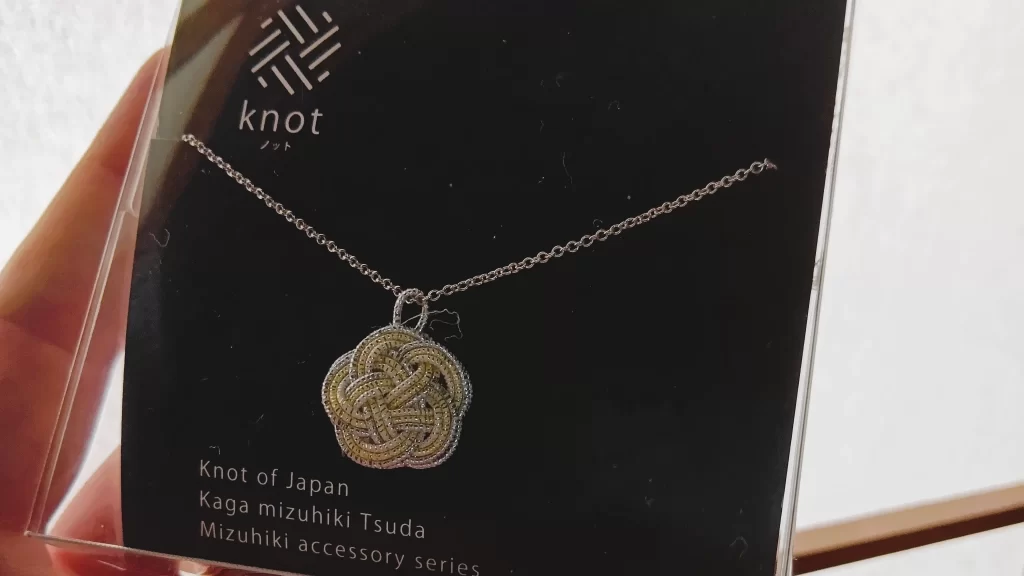
One of the least-known of Japanese crafts is the art of weaving paper string, or mizuhiki. It’s similar to Celtic knots. If you’ve ever seen the white envelopes decorated with what looks like wire — Japanese convenience stores will sometimes stock them — then you’ll have an idea of what mizuhiki is. Tsuda Mizuhiki Store in Kanazawa isn’t just one of the places to learn more about the art, it is actually the birthplace of three-dimensional mizuhiki artwork. The founder, Mr. Tsuda, was the first to create sculptures from paper string in the early 1900s. His descendants now keep the tradition going and offer private workshops. In about an hour, you’ll be able to create a charm or pendant to commemorate your visit to Kanazawa.
Also nearby the Tsuda Mizuhiki Store is Kanazawa’s West Teahouse District. Smaller than its eastern counterpart, but equally steeped in tradition, it’s a great place to take photos without the crowds.
Ninja Knowhow
If you have a half hour to spare, stop in at the Ninja Weapons Museum and dip a toe into the history of Japanese ninja, whose primary job wasn’t assassinations, it was to gather intelligence on their target and then escape undetected. The museum itself is a reflection of the deep distrust that the feudal lord of Kanazawa and the shogun of Japan had for one another. For sure, both employed ninjas to spy on each other.
The bilingual guide on the second floor will take you through the exhibits in English and the first floor staff can answer your questions about the fun and funky gift shop merchandise. There’s even a booth behind the front counter where you can try hurling throwing stars (shuriken) like an actual ninja!
In the Mood for Gold
After a spin through any museum, a sugar hit is practically a medical necessity. A quick Google search will show about a thousand places to get sweets in Kanazawa. How to choose which one? If time is in short supply, combine dessert with another hands-on experience.
Kanazawa’s most renowned craft – gold foil, or kinpaku – was developed in secret and in defiance of the shogun. Kanazawa now makes most (if not all) of the gold foil produced in Japan. Imai Kinpaku may be just one of Kanazawa’s many gold foil manufacturers, but their staff will happily coach you on how to artfully gild your soft-serve ice cream with a sheet of gold. “Kinpaku soft cream” has been a hit with visitors for over a decade and a memory you’ll only be able to make in Kanazawa.
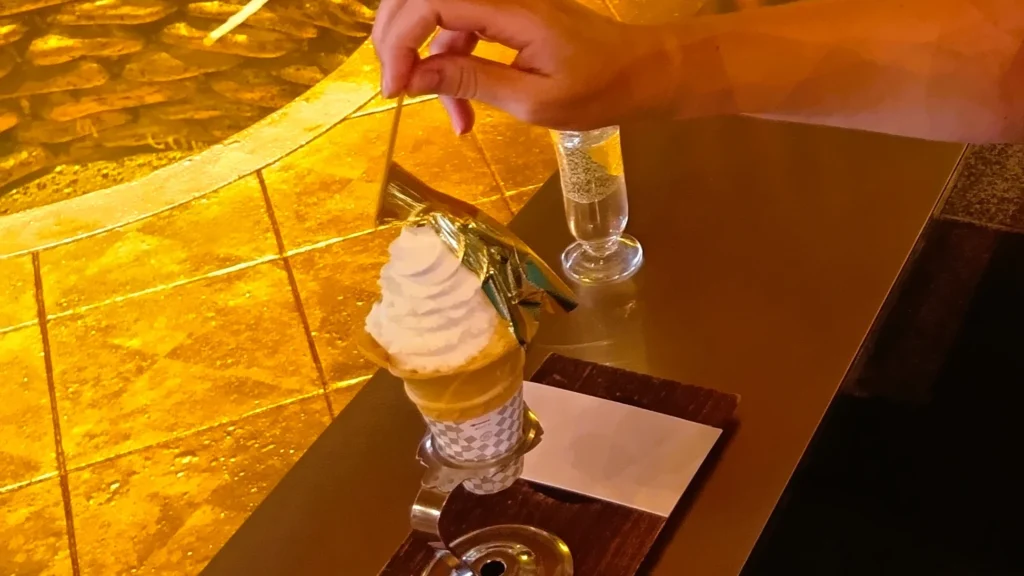
The staff are happy to take photos for you as you sit beside the shop’s indoor gold-gilded well. Products in their shop include locally made Buddhist candles, beautiful novelty items, and gold foil craft paper kits for the DIYers. Additional experiences with gold foil can be had in Kanazawa if your interest extends beyond bragging rights.
Explore the Castle Grounds
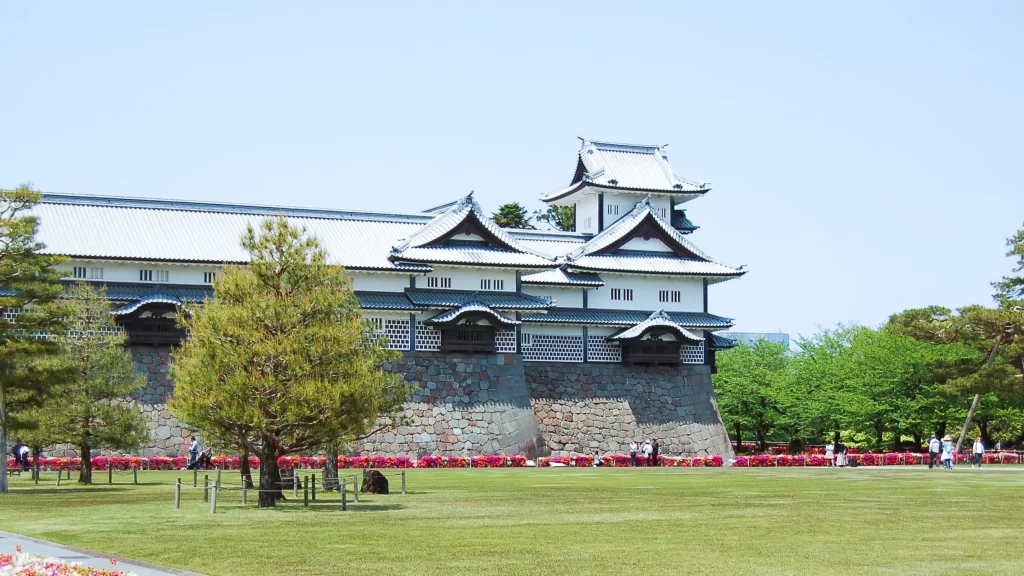
Now that you’ve got some fuel in the tank, why not use that energy exploring Kanazawa’s Castle Park? No, there’s no actual castle there, but castles in Japan are just about everywhere (some original and others not at all). What is unique about Kanazawa’s Castle Park is that the grounds were never sold off to real estate developers; the area is still largely intact. The gates and guard houses have all been faithfully rebuilt with traditional construction methods, a true rarity in Japan and an educational experience that anyone with an interest in engineering and architecture will enjoy.
Kanazawa’s Castle Park also provides a gorgeous (and, in late afternoon, not too crowded) backdrop for amazing photos. Stroll through the Ishikawamon Gate and across the overpass to Kanazawa’s acclaimed garden, Kenrokuen, where you can find the one-of-a-kind Kotoji Stone Lantern, the nationally recognized symbol of Kanazawa City.
About Keri Yazawa
Keri Yazawa, a resident of Kanazawa City since 2005, guides bicycle tours specializing in good food, quirky history, local craft making, and gorgeous landscapes.
Article photos and written content © 2025 Keri Yazawa. All rights reserved.