KANAZAWA
To the Sacred Mountain: A Journey Through Shiramine Part 1
Tucked way up, high in the mountains of Ishikawa Prefecture, above the Tedori River, is the small village of Shiramine, (pronounced “she-rah-mee-nay”). Japan is full of tiny, picturesque mountain villages, so why venture to this one?
Architecture
Picture-perfect villages like Shirakawago and Gokayama are famous for their squat farmhouses with massive thatched roofs, typical dwellings during the feudal period. However, there aren’t very many of those to be seen in Shiramine. The majority of homes and buildings, including the village’s impressive public bathhouse, are made of earthen walls surrounded by wooden siding. These are, more or less, townhouses… in a mountain village. Why the divergence from the norm?
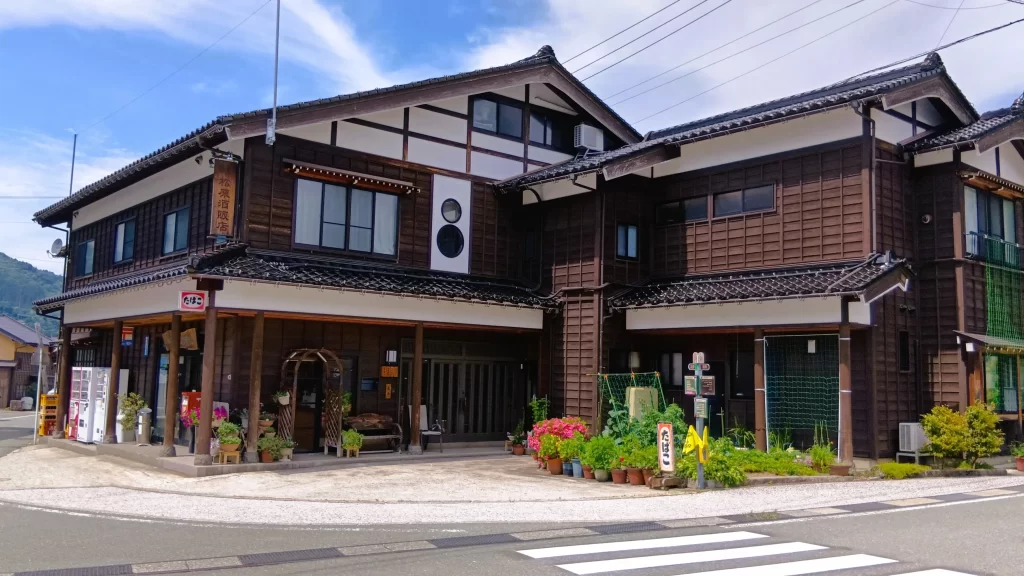
With a glance, you’ll notice that many homes have been crowded together. This is not a modern development. Shirmaine has always been a cozy community and the greatest threat to closely clustered homes is fire. In fact, fire patrols in feudal-era Shiramine used to be conducted as often as ten times a day. To prevent the rapid spread of fire from one home to the next, the people chose to use fewer flammable materials. The close quarters also meant that houses would have to be built higher rather than wider, which eventually led to tall buildings, a unique architectural style in mountain villages of the time.
Weather
In the winter, Shiramine is literally buried in snow – as much as ten feet of it – which is why most homes and buildings have permanently installed ladders leading up to the roof.
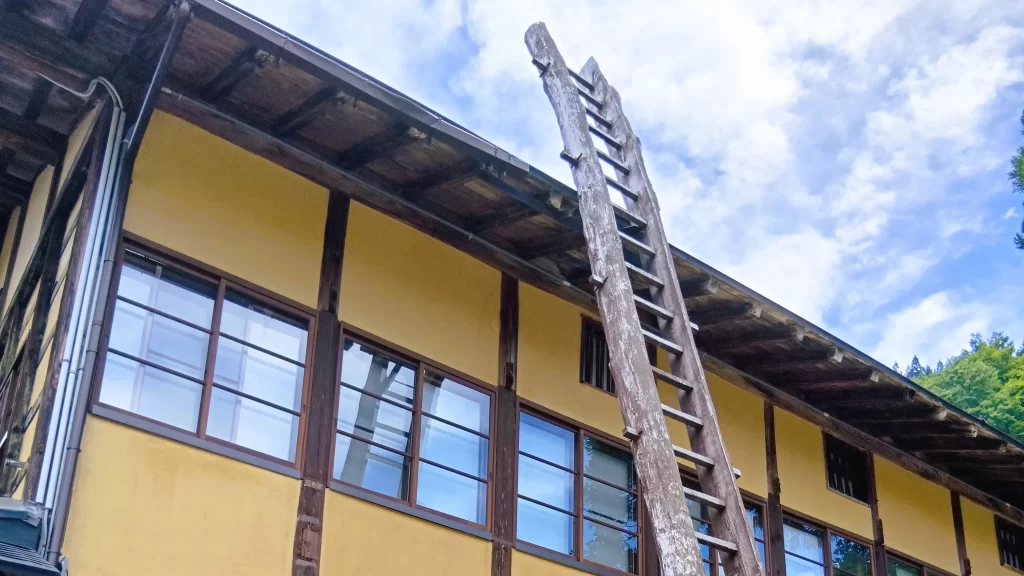
The snow in this area is often very heavy, compressing into ice, so it’s necessary to sweep the snow clear before it accumulates enough bulk to break the houses’ wooden beams. The high elevation means colder temperatures and lots of snow in the winter, but it also means that Shiramine is several degrees cooler than Kanazawa City in the summer, making it one of my favorite one-day getaways.
Outdoors
Shiramine offers a very rewarding summer cycling route. Beginning just below Souvenir and Restaurant Saisai, you’ll pedal up the winding curves along the Tedori River toward the trailhead leading to Mount Hakusan.
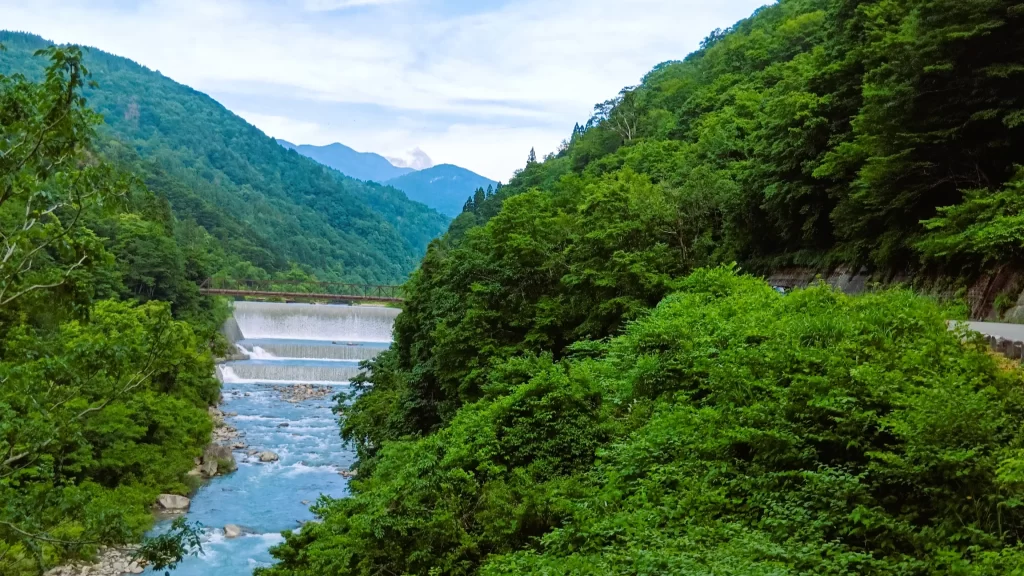
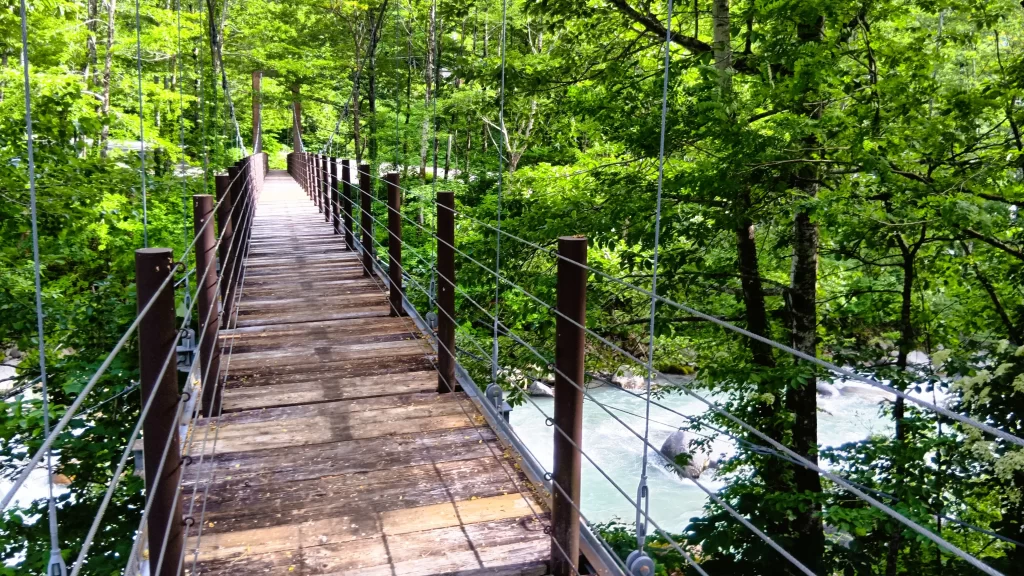
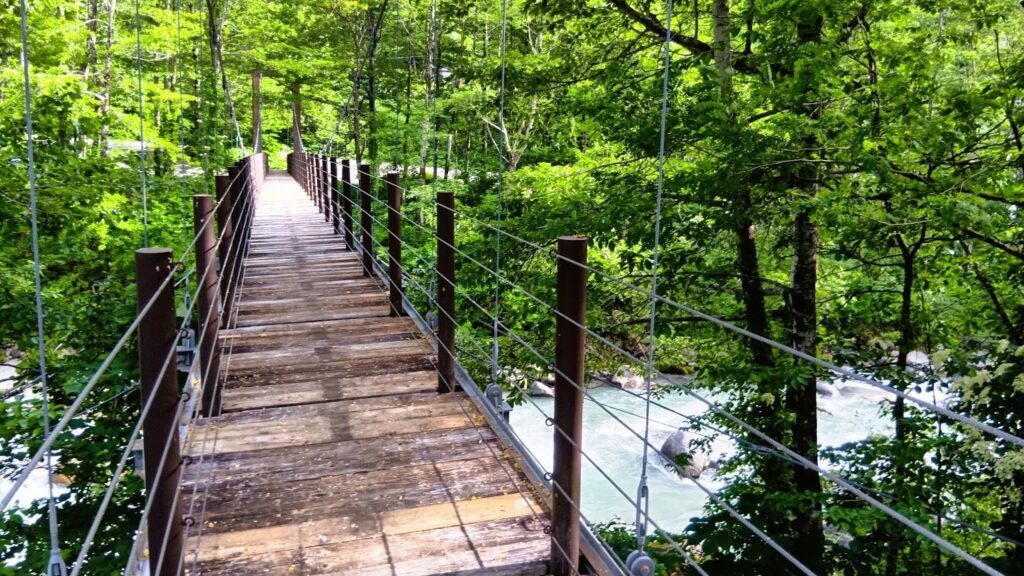
As Mount Hakusan is one of Japan’s three most sacred mountains, plenty of people pass through Shiramine every year to climb it. The road itself offers relief from the hot, afternoon sun by way of the cool breeze coming off of the water on your left and shade from the lush, forested ridgeline on your right. It’s a gradual climb with a few dips and curves here and there, stretching up for about 8 miles (12 kilometers) until you reach Ichinose, which is the perfect place to cool down and savor a prepared picnic lunch. (Just remember to pack up your garbage and take it with you as there are no trash receptacles available.) Don’t leave before you take a stroll over the footbridge which spans the Tedori River.
On the way up to Ichinose, make a pitstop at Hyakumangan Rock. Yes, it’s big: over 50 feet tall (52.5 feet, actually) and over 170 feet in circumference. It’s been estimated to weigh nearly 5,000 tons, which makes its story that much more interesting: Hyakumangan Rock is a newcomer to this neighborhood. In 1934, the Tedori River roared to life during a terrible rain storm, not only washing away whole villages in the middle of the night but moving this boulder from a completely different river (the Miyadani), which empties into the Tedori half a mile upstream.
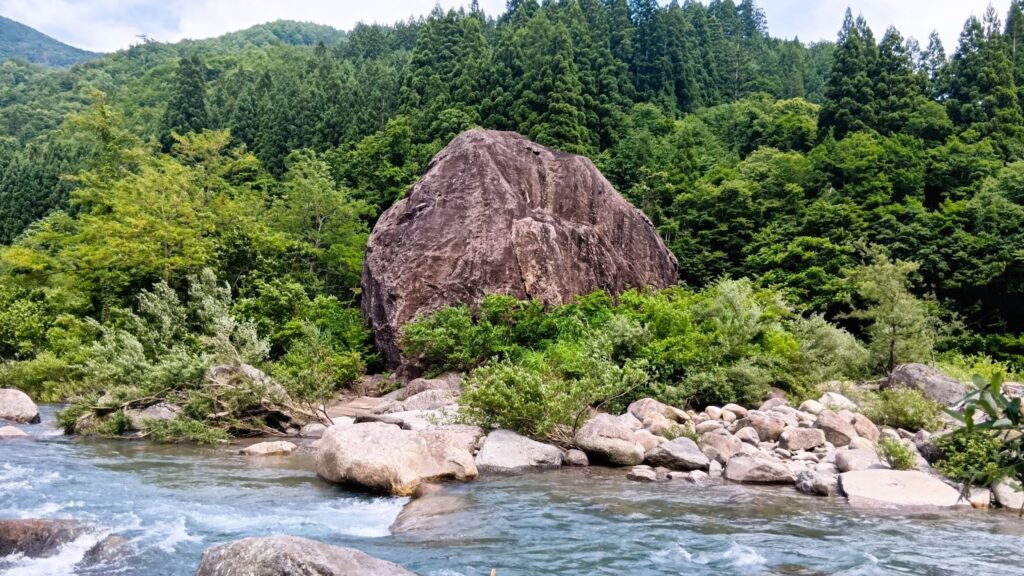
The force and the fury of the flooding propelled this monolith to its current location. It also prompted the Japanese government to begin construction of the Tedori Dam, which you’ll pass on your way to Shiramine from Kanazawa. The destructive power of the 1934 flood is illustrated at the Hakusan Sabo Museum, where you can get up close with a replica of Hyakumangan Rock. Even scaled down to half its actual size, the museum model is awe-inspiring… and a little terrifying. Imagine that rolling toward you in a raging torrent. Not even Indiana Jones would be able to escape this boulder.
The Bounty of Mount Hakusan
Getting hungry yet? You’ve probably already guessed that there are no chain restaurants or Starbucks in Shiramine. This is a town steeped in tradition, so the food you’ll find here in the Japanese countryside is wholesome and humble and completely unlike the quintessentially “Japanese” cuisine (such as sushi, ramen, tempura, teppanyaki-style grilled beef) that you may have tried.
The village of Shiramine is so high up in the mountains that it’s not really possible for rice to be cultivated, so the people had to rely on other staples to fill their bellies, such as a potato-like nut called “tochi-nomi,” or horse chestnuts. When rice and other grain harvests failed (likely due to rain storms and flooding), the people of Shiramine survived by supplementing their diet with horse chestnuts, a tradition that continues even now in the age of supermarkets and refrigerated shipping.
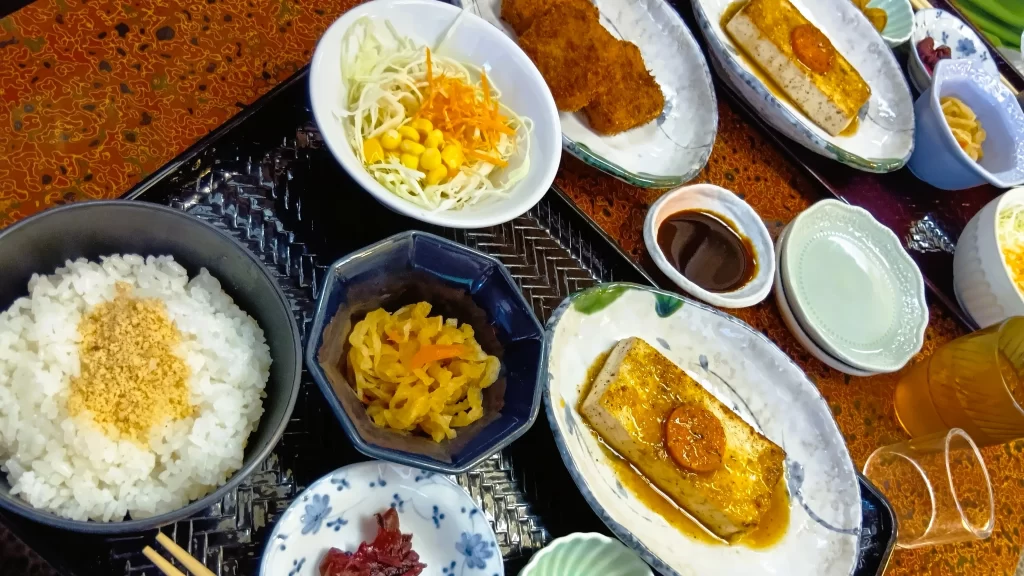
But of course, frozen pizzas and fresh beef weren’t available back in feudal times; tofu and river fish tended to be served for the main course with seasonal wild greens (sansai), porridge made with finger millet (kamashi), and buckwheat noodles (soba). Just about all of these traditional foods can be had at Restaurant Saisai in the center of Shiramine. Sharing the same building is a souvenir shop with products made by local craftspeople and a small vegetable stand. Before you leave, try the restaurant’s soft-serve ice cream.
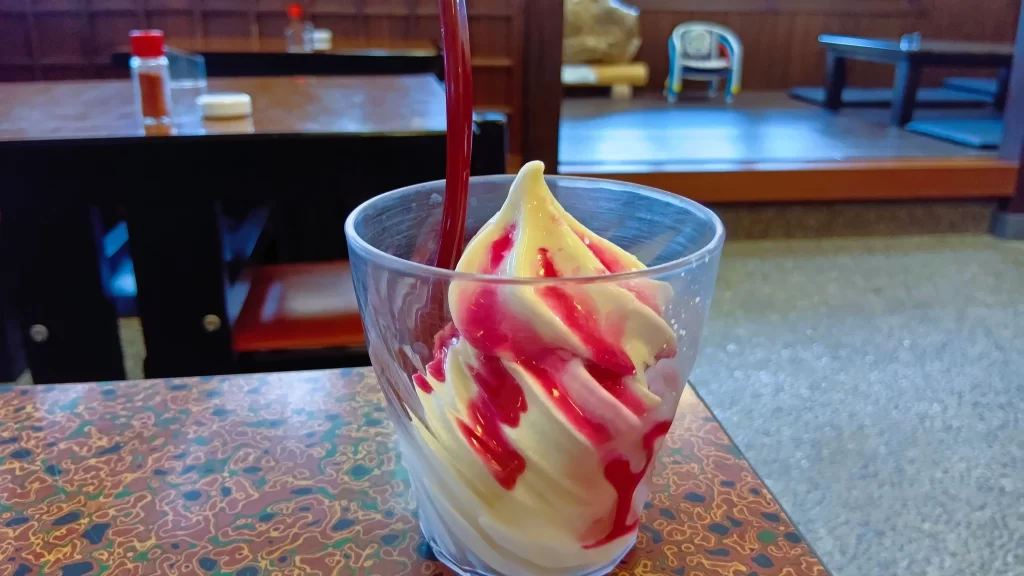
It is some of the best I’ve ever had and I especially enjoy the red Japanese basil (or, shiso) syrup topping, or get your ice cream topped with honey made by bees with a fondness for horse chestnut blossoms.
Continue to Part 2:
https://kizunatravel.com/travel/area/KANAZAWA/shiramine-village-pt2/
About Keri Yazawa
Keri Yazawa, a resident of Kanazawa City since 2005, guides bicycle tours specializing in good food, quirky history, local craft making, and gorgeous landscapes.
Article photos and written content © 2025 Keri Yazawa. All rights reserved.