KANAZAWA
Silk, Statues, and Sacred Legends: A Journey Through Shiramine Part 2
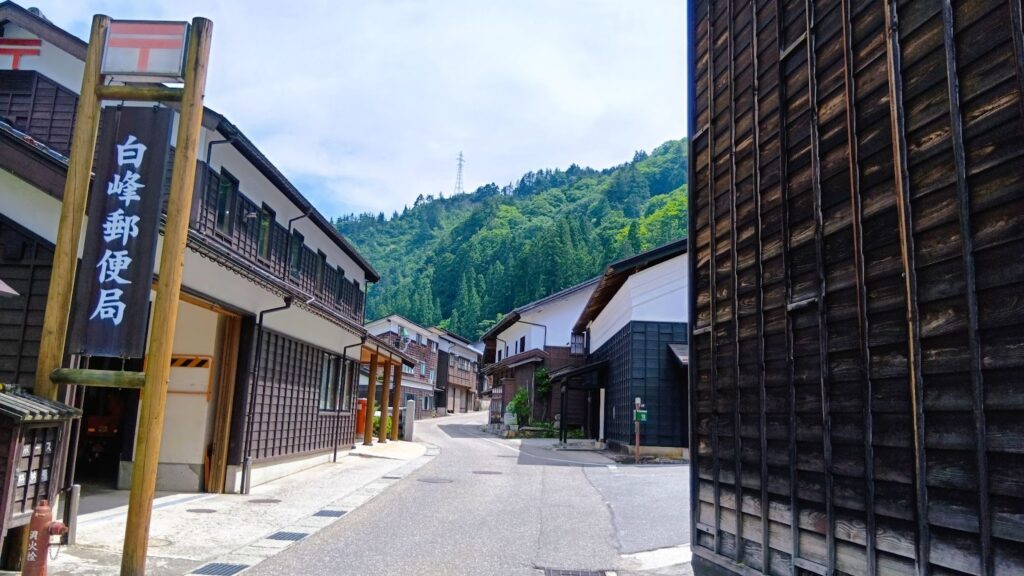
Shiramine Village, located among the mountaintops of Ishikawa Prefecture, has the look of a feudal-era town set against the lush backdrop of undeveloped wilderness. In the summertime, cicadas sing and hawks soar over rooftops just as they have done here for over a thousand years. Shiramine’s character is unique among Japanese mountain settlements and well worth the time to discover.
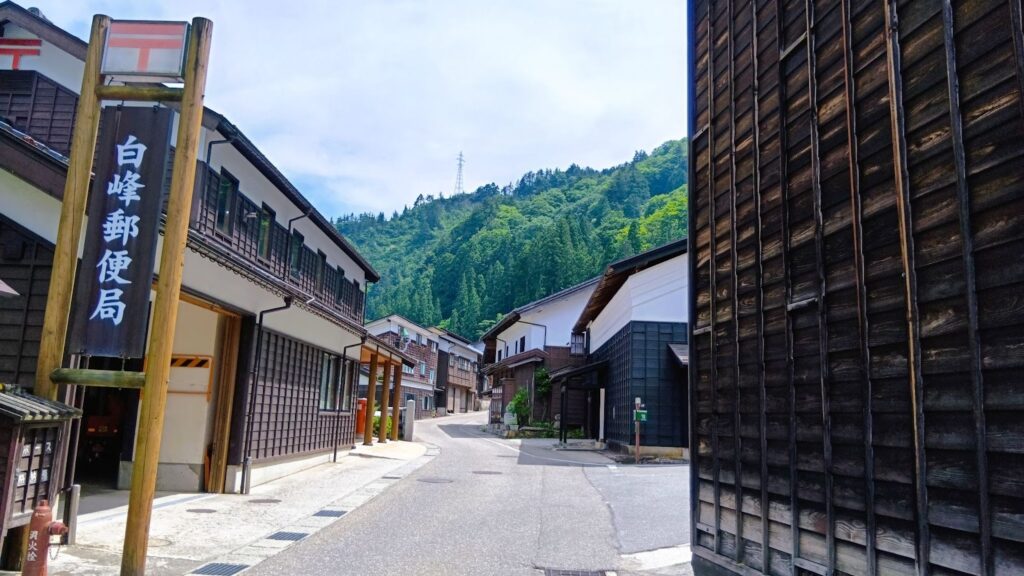
Historically, the Shiramine area was a point of contention between neighboring domains. Why would more than one lord want to add such a tiny and remote settlement to his land holdings? Well, apart from the fact that Shiramine did a booming business accommodating (and collecting climbing fees from) pilgrims who made the trek to climb the sacred mountain of Hakusan, there was also the silk industry that Shiramine became famous for.
Silk Weaving
A stroll from one end of the community to the other will only take about 20 minutes, including time to stop for photos, but its unique history and cultural quirks make it a fun place to explore. To start off, pay a visit to the silk weaving museum (a reservation is necessary) and experience the ancient craft of silk-weaving.
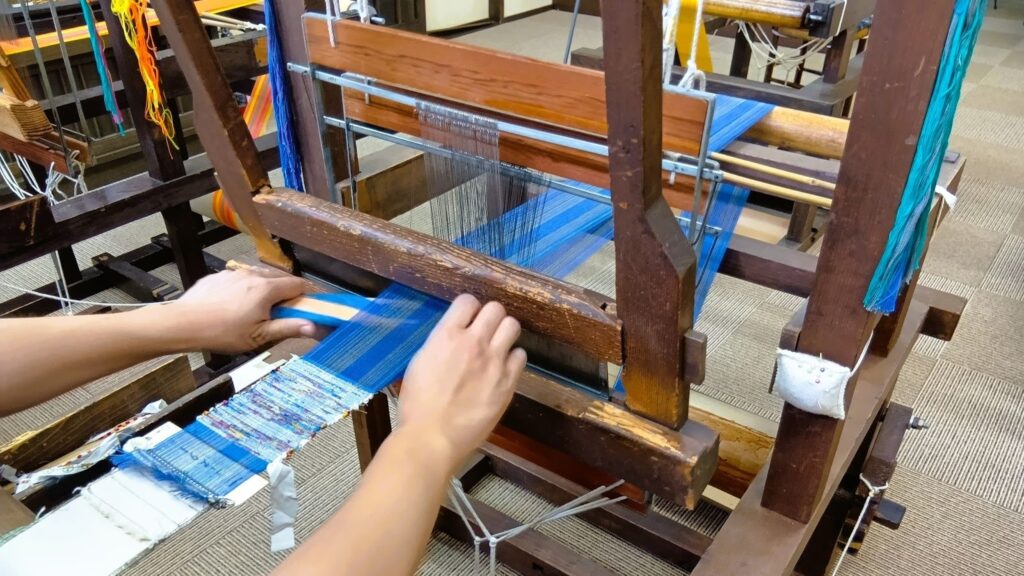
The silk thread that is used is especially strong and only occurs when two silk worms work in concert to create a single, ball-shaped cocoon. This secret was taught to the people of Shiramine by members of a samurai family (the Minamoto clan) that had fought on the losing side of a decisive battle in the 12th century (i.e., the Heiji Rebellion in 1159) and were fleeing for their lives. Perhaps in exchange for the villagers’ hospitality, these destitute and desperate nobles offered up the technique for producing this luxurious silk.
In addition to making the closely crowded town of Shiramine more resistant to fire, the earthen walls on the other side of the wooden facades provided a stable indoor temperature, which kept the silkworms happy and spinning away.
Buddhist Temple
The ancient temple of Rinsaiji is truly a hidden gem. Not just for its 1,300 years of history, but for the golden altar and painstakingly carved wooden ornamentation of its main hall.
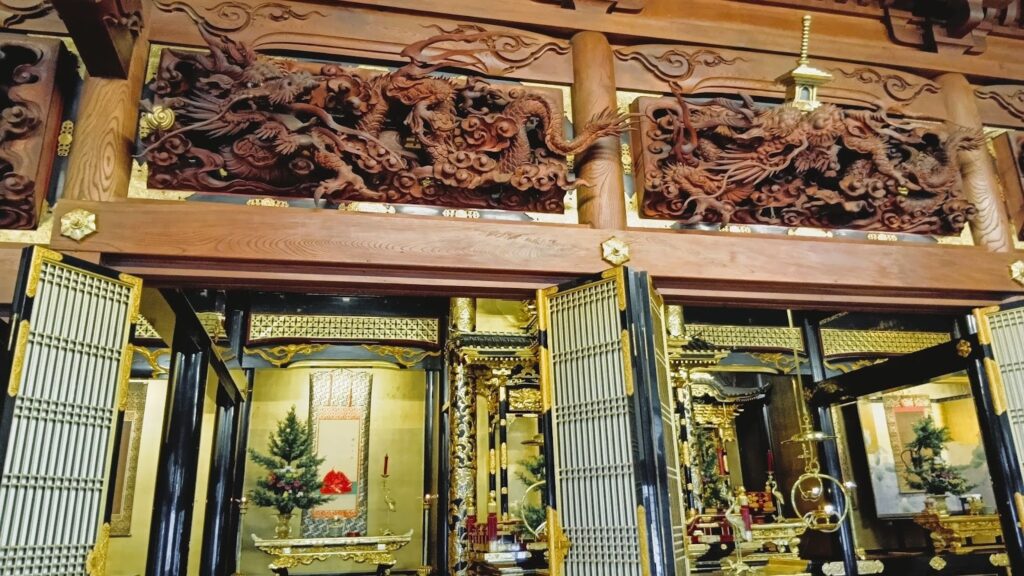
Rinsaiji is also the home of Buddhist statues that were saved from destruction following the government’s order (in 1868) to separate the Shinto and Buddhist faiths into shrines and temples, respectively. Anything that hinted at a blending of the two religions was to be destroyed. One Buddhist priest of Shiramine took advantage of the village’s remote location and defied the edict, hiding “contraband” relics until things settled down.
That may not have been the last time the people of Shiramine saved their religious icons. According to local rumor, during WWII, when the government ordered all surplus metal statues to be surrendered for melting down, the locals hid their most valuable pieces by burying them in the Tedori riverbed until the war was over.
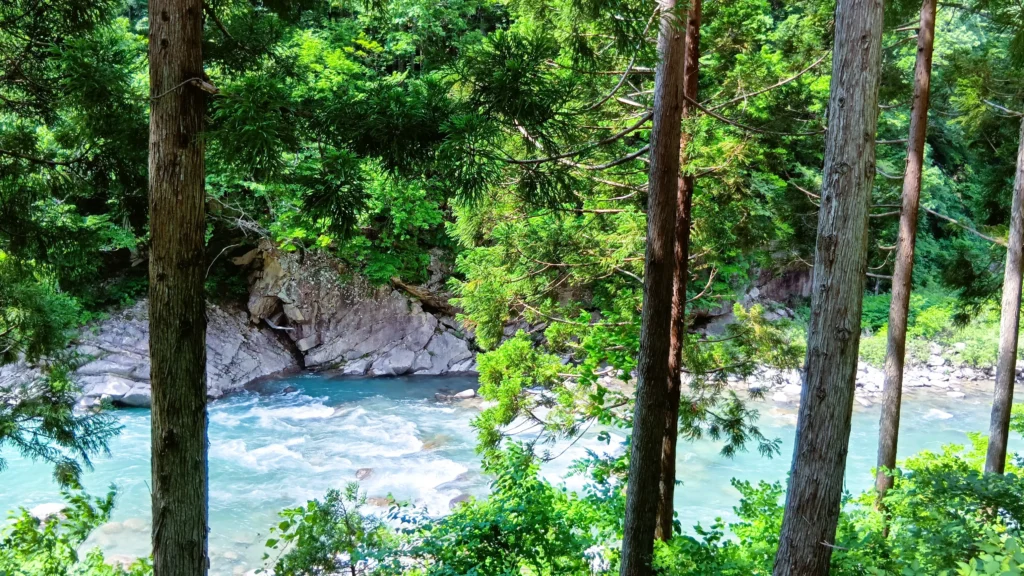
Have all the statues been recovered? No one is really sure, so keep an eye open when you visit the riverside. You might just find a wise, bronze face smiling up at you through the crystal clear water.
Local Cuisine
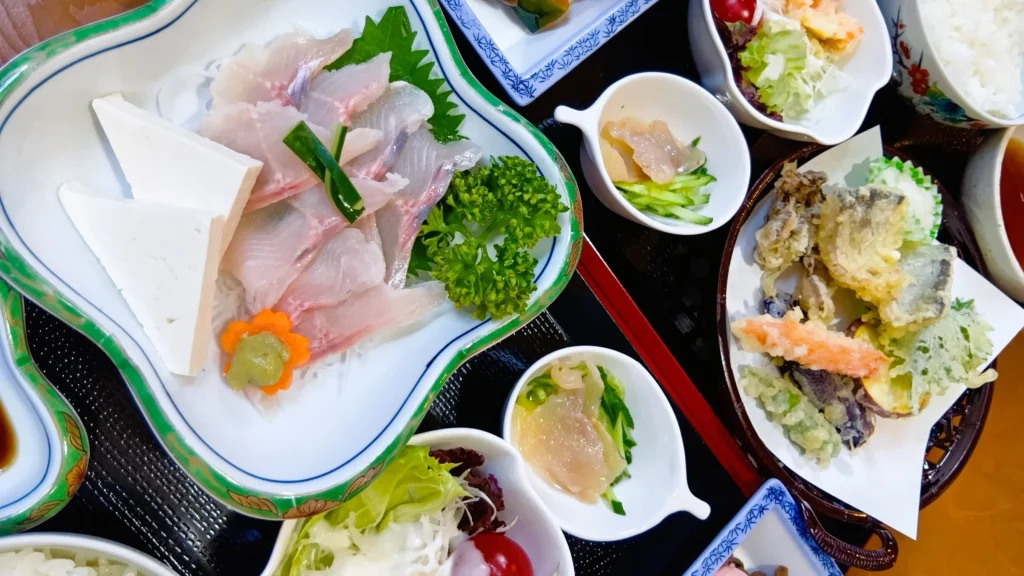
Shiramine offers a range of wholesome foods that are considered the bounty of Mount Hakusan. There’s the local “kata-dofu” (or, hard tofu) and horse chestnuts that were mentioned in Part 1 of this series, but allow me to now draw your attention to the “iwana,” or char, which is a small river fish found in the Shiramine area. Restaurant Koyomon serves char in a variety of ways, from grilled whole to deep fried in batter (i.e., tempura) to – my favorite – sashimi. Even the firm, pickled slices of char are tasty on their bed of julienned cucumber. Kyomon also serves cold tofu and slices of roast beef, but the fish is a must.
Fossils
Just outside of Shiramine, on the road back to Kanazawa, you’ll see a long wall of exposed rock rising out of the Tedori River. This is the Kuwajima Bluff and the site of not only hundreds of fossil discoveries but the actual birthplace of paleontology in Japan.
Shiramine celebrates this prehistoric natural history with its family-friendly dinosaur museum. An automated T-rex at the entrance to the main gallery aggressively greets visitors. On my first trip to the museum, a young couple with a toddler entered ahead of me. As the parents were paying the admission fee (and half-heartedly coaxing their child to “wait while Mom and Dad buy the tickets, sweetie”), their little boy ran pell-mell for the entrance where the T-rex was posted. Just as the tyke reached the doorway, the T-rex moved. It leaned down, opened its maw, and roared right in the kid’s face. The toddler went stiff as a board (and probably made a mess in his pants) before he whipped around and ran screaming back to his mom and dad. Best museum moment ever. I can’t promise any traumatized children on your visit, but you can try your hand at real life fossil-hunting in the museum’s archaeology digsite.
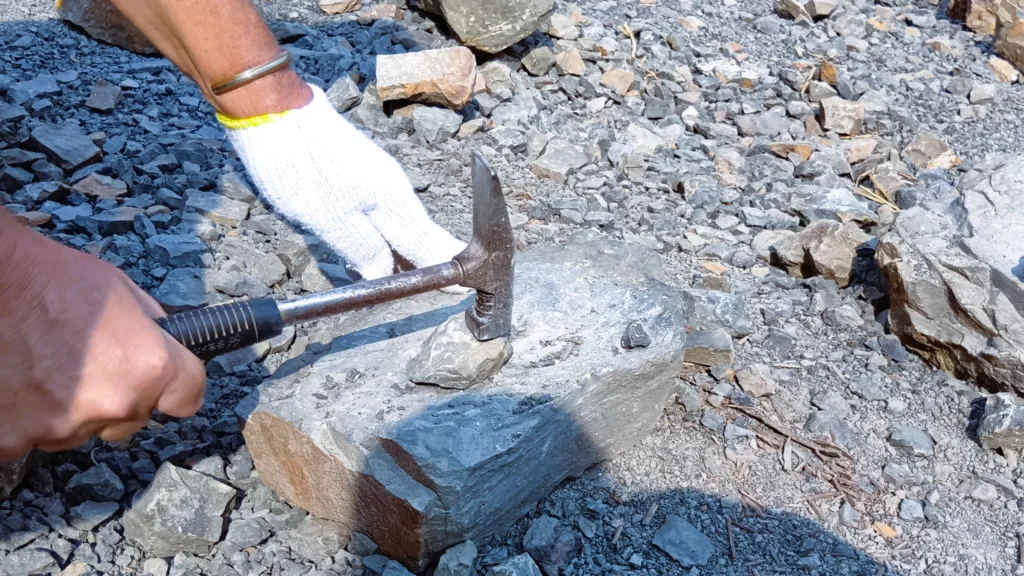
Just look at all of that rubble! The rocks are gathered from the Kuwajima Bluffs, and the remains of previously unknown flora and fauna are still being brought to light. So grab a hammer and get whacking!
Continue to Part 3:
https://kizunatravel.com/travel/area/KANAZAWA/shirahime-part-3/
About Keri Yazawa
Keri Yazawa, a resident of Kanazawa City since 2005, guides bicycle tours specializing in good food, quirky history, local craft making, and gorgeous landscapes.
Article photos and written content © 2025 Keri Yazawa. All rights reserved.