KANAZAWA
Mikata-goko Cycling Guide: Ride Through Lakes, History, and Hidden Japan
Cycling in Japan can be a fantastic experience. If you’re looking for a route that doesn’t send you off into the wilderness or straight through the hubbub of the big city, if you’re looking for a place that offers just the right amount of gorgeous panoramic views and civilization, there’s a great one-day ride just a stone’s throw away from the Sea of Japan: Mikata-goko!
Cycling the Five Lakes
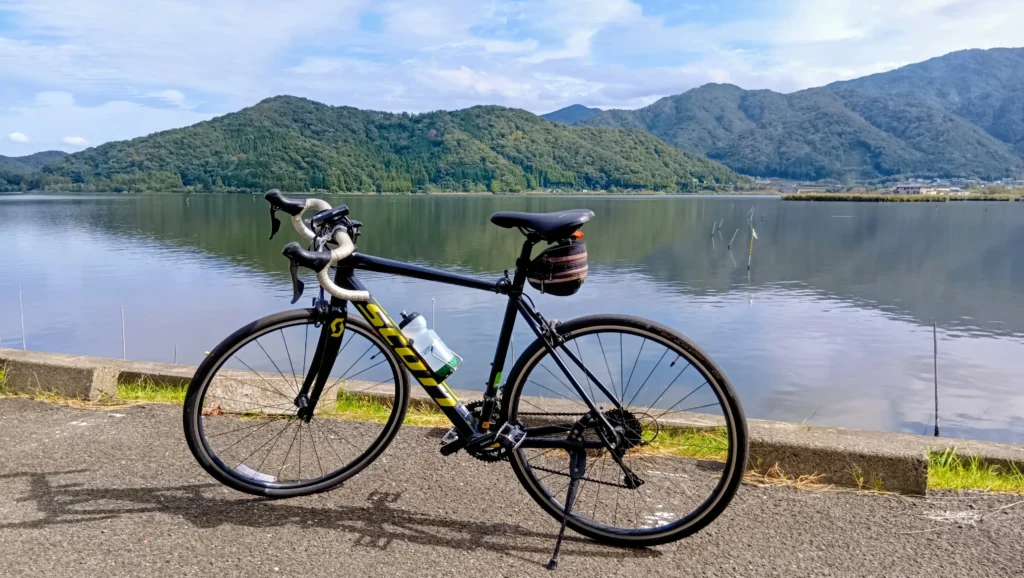
Located in Fukui’s Wakasa Bay is a cluster of five small lakes (“go” meaning “five” and “ko” meaning “lake”) where a cycling route has been painted out in the form of blue arrows on the paved roads. The shortest route is about 12 miles long and takes you around three of the five lakes. Venture an additional 9 miles to circumnavigate all five.
The area is known for its lake fish and eel (which tastes a lot more like fish than it does chicken) and Japanese plums and persimmon fruit. As you cycle around the lakes, you’ll pass canals that are hundreds of years old. These link all of the lakes together and provide an outlet for flood waters to the ocean.
Thatched-roof Boathouses
People have lived here for thousands of years, and paved roads are a relatively modern convenience. In the olden days, women would transport their plum harvests via boat across the water. Some of the thatched-roof boathouses still remain at the lakeside, sheltering dingies.
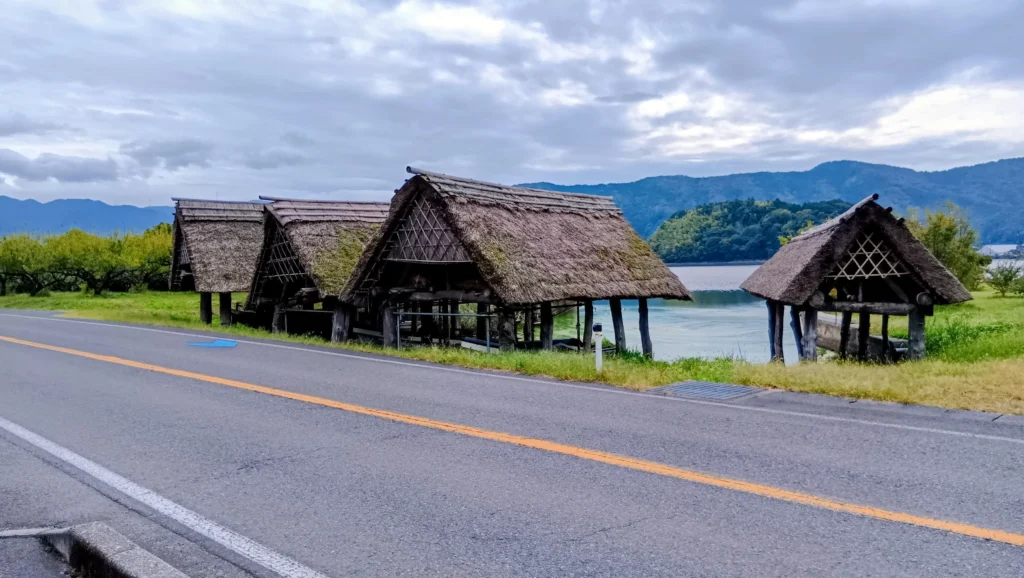
Along the cycling route, gorgeous views of the lakes draw the eye. And when you can’t see the lakes, you’re surrounded by plum orchards. One pickled plum stand after another flashes past interspersed with the occasional lunch place (offering grilled eel in a teriyaki-like sauce or country-fried pork cutlets) and we mustn’t forget the souvenir shops, which are great places to pick up local sweets and drinks.
70,000 Years of Natural History
After lunch, if you’re ready for a break from riding, stop by the Varve Museum. What is a varve? A varve is layers upon layers of sediment which preserve a record of an area’s climate and ecosystem over thousands of years. They’re typically found in lakebeds where the waters are deep and still. A true rarity. The Mikata Varve is the rarest of them all. It goes back 70,000 years, making it the longest sedimentary record discovered in the world thus far.
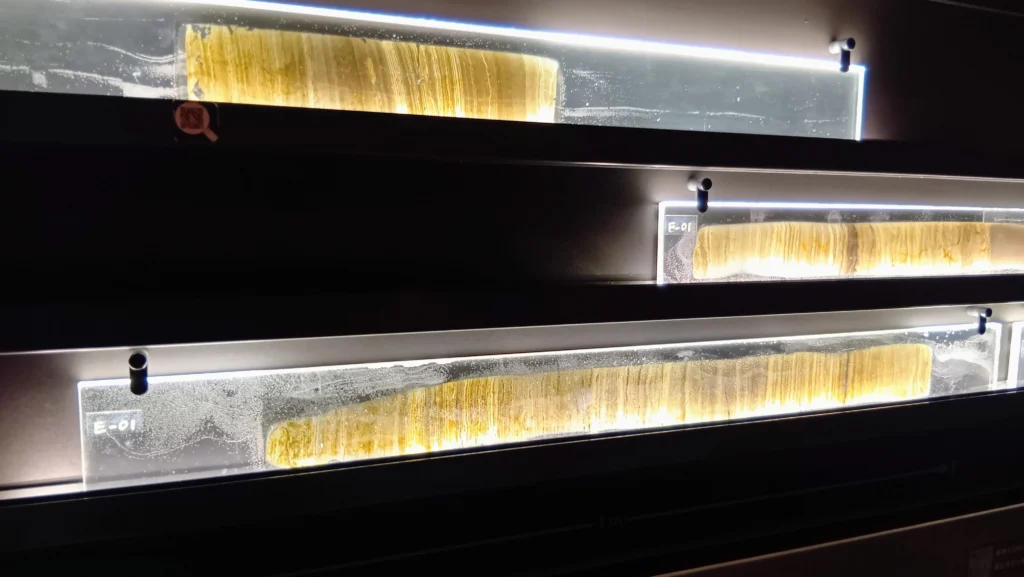
It all sounds terribly sciency, I know. But! The museum’s curators have not just displayed actual samples of the varve, but also used them to tell the story of the planet’s climate change, biological diversity, natural disasters, and even milestones in human civilization. With an English audio guide that touches upon a variety of interests, it’s easy to spend an hour here. (And if you’re in need of a caffeine hit, stop by the museum cafe before you dive back in!)
A Glimpse into the Stone Age
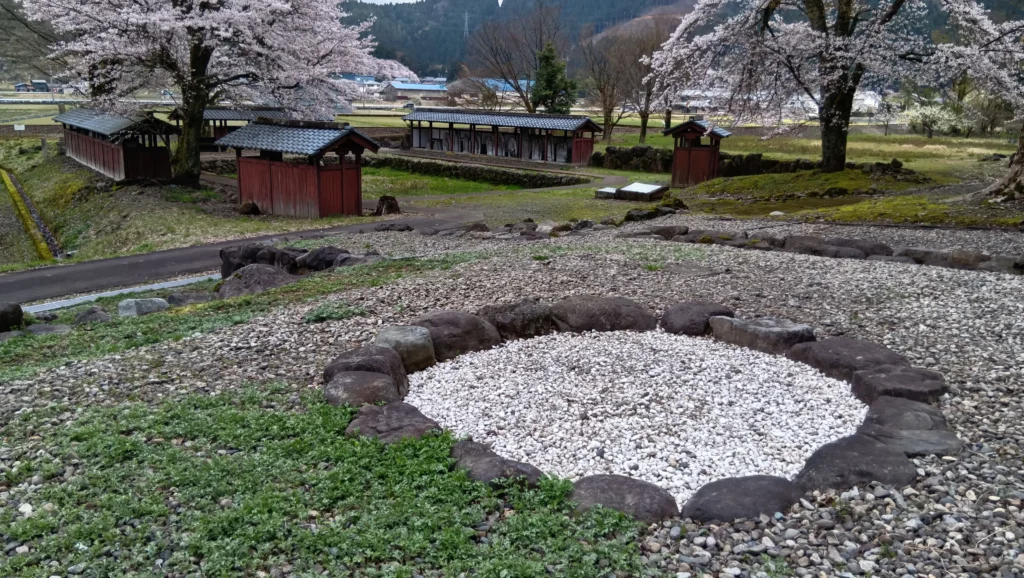
Right next to the Varve Museum is the Museum of Jomon Period: DOKIDOKI, which explores the lifestyle of Japan’s Stone Age people.
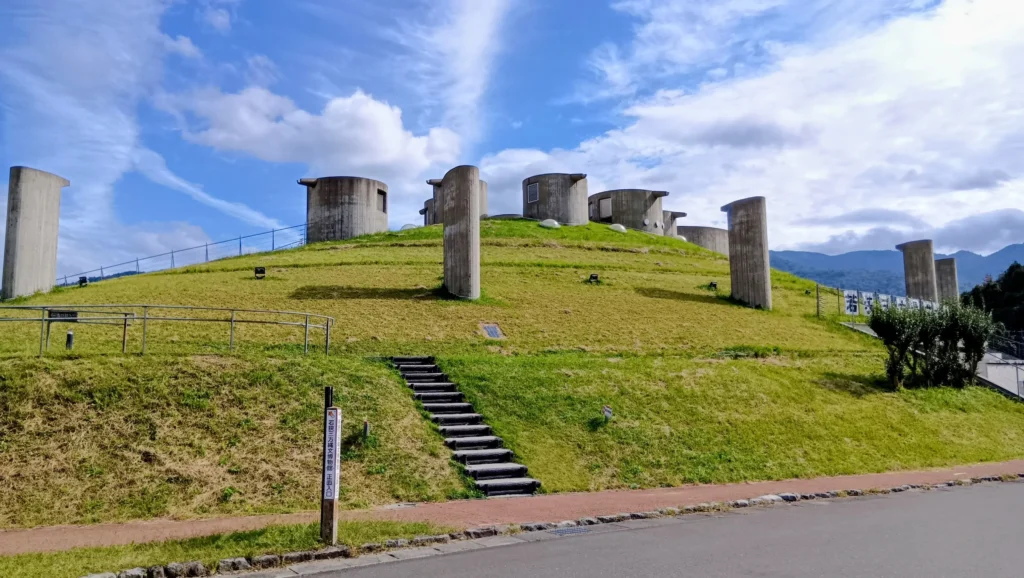
This period in Japanese history is called the Jomon Era and, as you can imagine, the nearby varve offers a plethora of information about the plant life (whose pollen and detritus drifted down to the lake bottom to be preserved) of the time from which scientists have created a pretty thorough picture of the local ecosystem. The Jomon Museum is an architecturally spectacular subterranean space showcasing the artifacts that have been recovered, such as pottery, canoes, spearheads, wooden tools, and even rope. English-language placards flesh out the food, diet, societal structure, and religion of the Jomon-era people.
Lake Views on the Water and Mountaintop
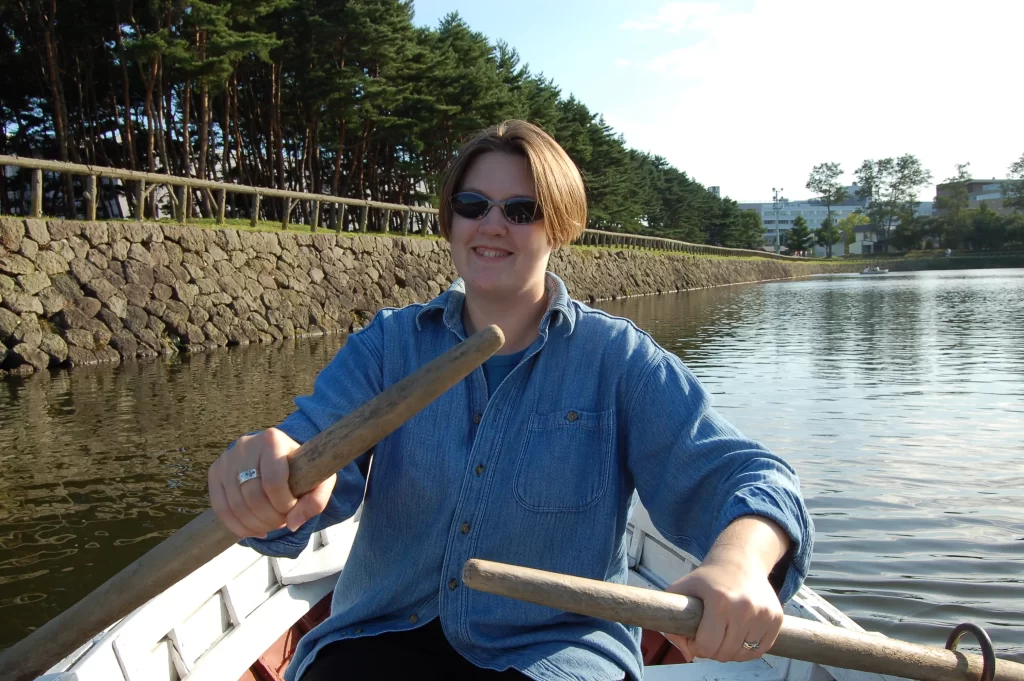
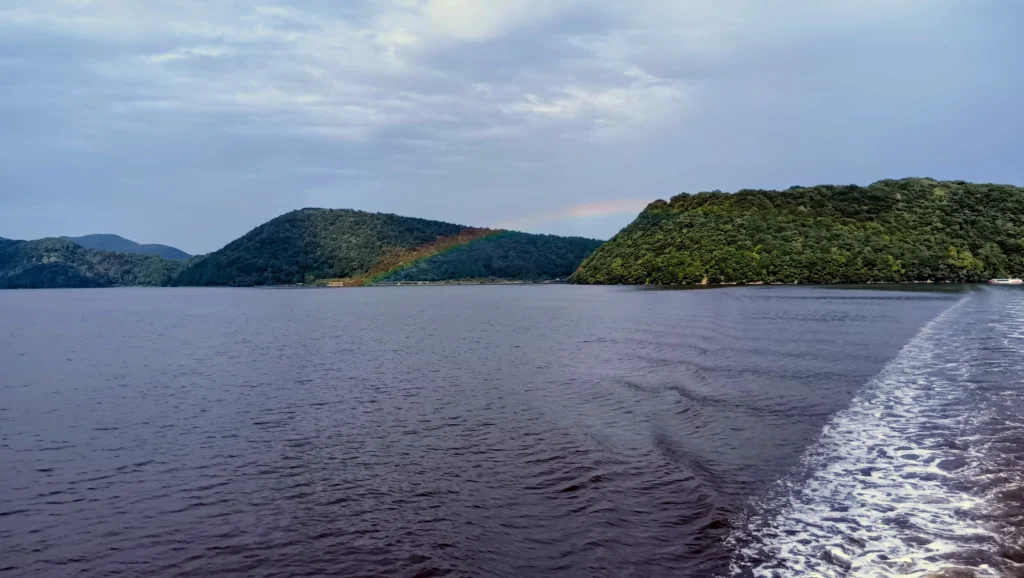
A visit to Mikata-goko isn’t complete without either a cruise on the lakes or a trip to the tippy-top of the mountain for a panoramic view. (Or both!) There are two lake cruises available. If you choose the one near Mihama, you’ll be taken through a 360-year old canal before making a circuit of the lake. On this particular day, I was able to catch a rainbow on the water!
For the best bird’s eye view in the area, park your bicycles and take the Rainbow Line (by car or bus) to the top of Mount Baijo. The final leg of your journey must be completed by cable car or, if you’re feeling daring, a chair lift. The top of the mountain is a destination in and of itself with two cafes, a rose garden, observation platforms, and a foot bath. (So roll up those pant legs and take in the view while you soak your tired feet!)
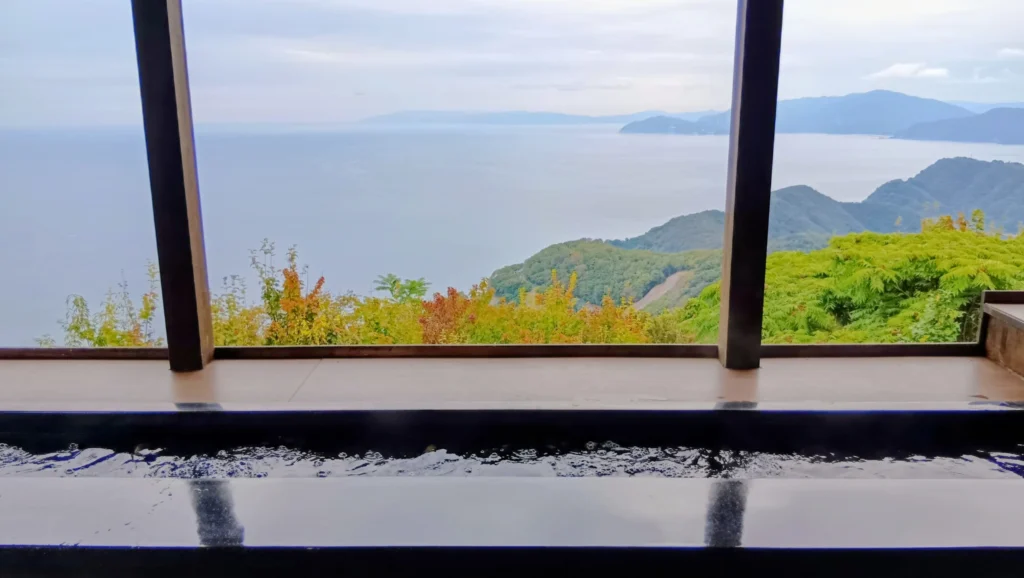
There’s even a legend at the summit: once upon a time, terrifying goblins called tengu (monsters with long noses and wings) made their homes high up in the mountains, but there was one tengu who was kind and wanted to help people. Even now, if you write your wish on a clay saucer and toss it into the lake, the tengu will grant it. (Don’t worry – the saucer hasn’t been fired in a kiln, so it’ll dissolve harmlessly in the water.)
About Keri Yazawa
Keri Yazawa, a resident of Kanazawa City since 2005, guides bicycle tours specializing in good food, quirky history, local craft making, and gorgeous landscapes.
Article photos and written content © 2025 Keri Yazawa. All rights reserved.