KANAZAWA
Discovering Japanese Wine: A Guide to Finding Your Favorite Pour
Wine is probably not something you would associate with Japan, but the Japanese have been applying their formidable sense of innovation to cultivating grapes and crafting very enjoyable wines for over a century. No, these are usually not your run-of-the-mill Pinot Gris and Cabernet Sauvignon, so check your expectations at the door. Your taste buds are about to encounter nuances that you’ll look back on fondly for a long, long time.
Albariño White Wine of Niigata
Although it’s not widely known for its vineyards, Niigata Prefecture offers favorable growing conditions for several varieties of grapes. In Echizenhama, just south of Niigata City, a collection of vineyards, restaurants, cafes, hotels, and even a small general store form a flavorful oasis. One vineyard in particular, Fermier, specializes in (but does not focus exclusively on) the cultivation of Albariño grapes. Originally cultivated in northwestern Spain, these grapes thrive in Eichizenhama’s seaside cove. The gently rolling hills see significantly less precipitation than the surrounding area due to the high mountains of neighboring Sado Island, which block the worst of the rain and snow.
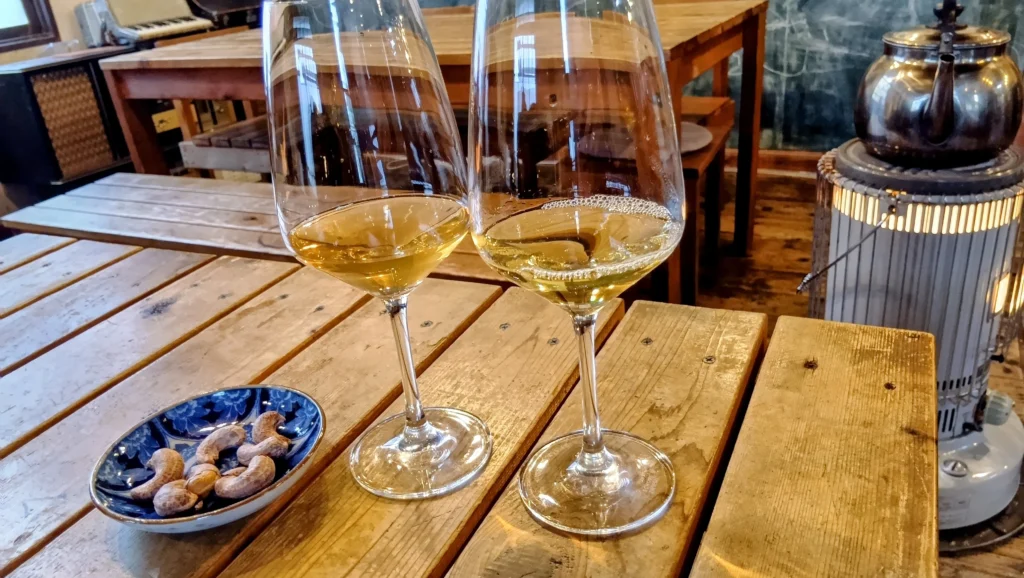
From a tasting of five Albariño wines, it’s easy to not only appreciate the dual qualities of tart citrus and salty minerals but also the range of character each vintage offers: from light and crisp to lingering floral to rich and structured. I admit that I was so caught up in savoring the nuances of each wine that I completely lost track of time.
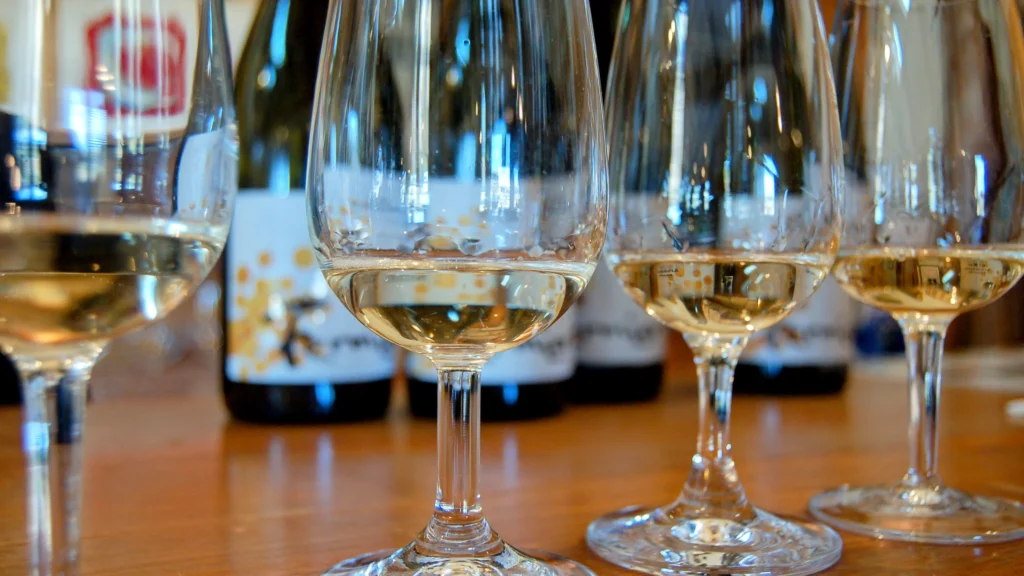
Chardonnays and red wines are also available for tasting but I was especially impressed with the flavorful rosé. With an aroma that brought to mind a blend of peach and strawberry and a luscious parade of flavor to follow, this was a wine that was forthright and direct, which I found refreshing after unpacking the entertaining complexities of Fermier’s domaine whites and reds.
Orange Wine of Ehime
One wine tasting that took me by surprise and left me thoroughly charmed and delighted took place in a small wine shop on Omishima Island. Omishima is one of a thousand islands (literally, a thousand islands) that dot Japan’s inland sea, which stretches roughly from Osaka to Hiroshima. Omishima is right in the middle.
The winery itself is quite new, but in planting vines in soil previously used for growing Mandarin oranges, they’ve hit on a fantastic combination: a Chardonnay that brings the salty sea breeze right into your glass and an orange wine that is smooth and soft. I cannot emphasize enough how much I enjoyed these atypical variations. It was like rediscovering wine. Or, more accurately, discovering an entirely uncharted terroir.
I encourage you to venture further than I dared at Omishima Minnano Winery: give their sparkling wines, red wines, and rosés a try as well!
Plum Wine of Fukui
I cannot in good conscience send you on a wine tasting tour of Japan without directing your attention to what might just be the country’s first domestic wine: plum wine, or umeshu. Japanese plums are small, hard, and green. They are definitely not for gnawing on during warm summer afternoons. However, they make fantastic wines.
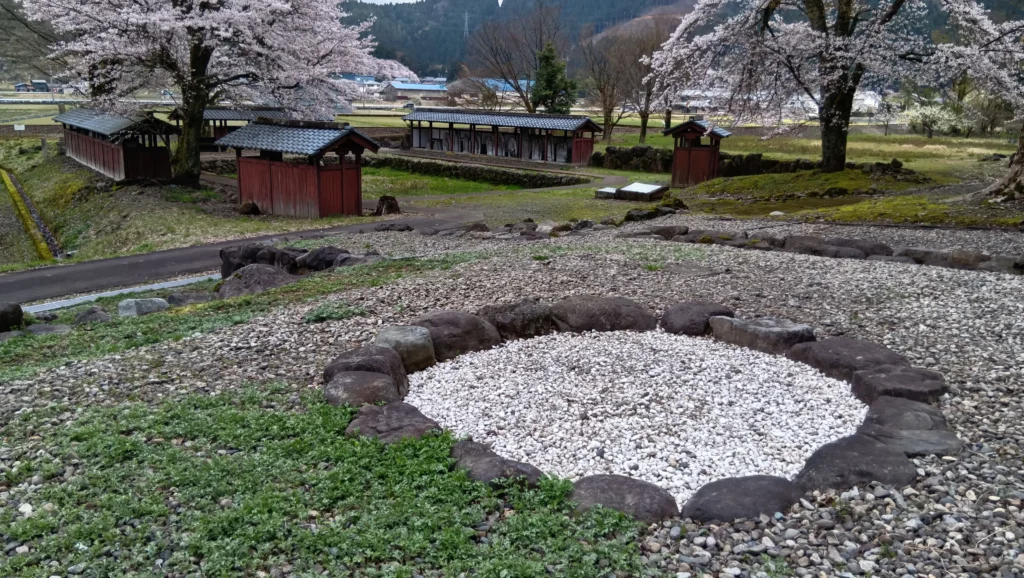
Just like with any good wine, going to the source is key to finding solid examples of distinct flavors, which was why I made my way to Mikata in Fukui Prefecture and managed to arrive just in time to catch the plum blossoms in bloom. In this picturesque landscape of mountains and lakes, plums have been grown for centuries.
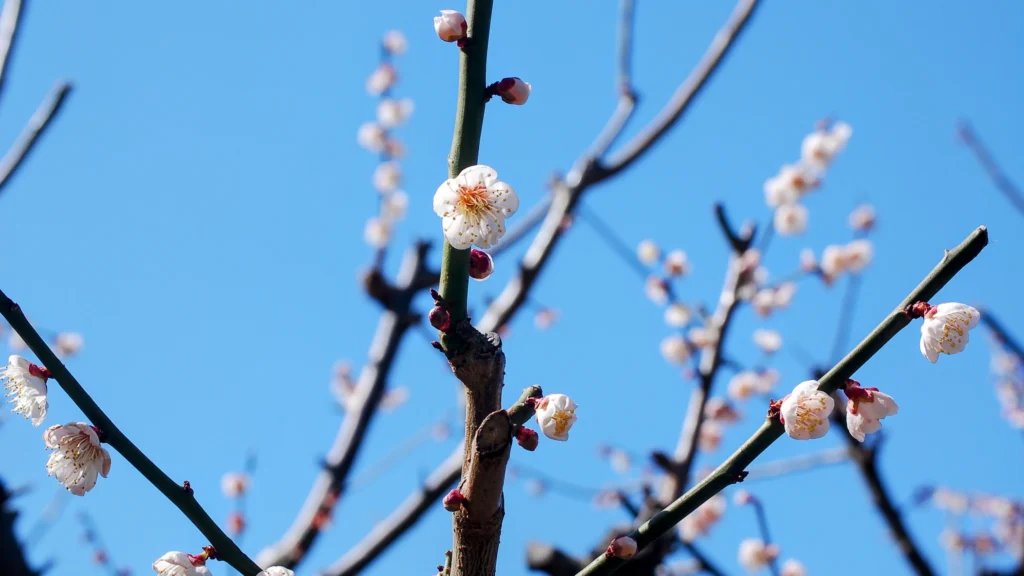
Plum wine might have started out as a medicinal remedy back in the 17th century, but it is now one of the best accompaniments you could ask for when dining on authentic Japanese cuisine that’s been salted and grilled or fried, especially tempura.
The first plum wine to ever catch my attention was a lemongrass blend. Sweet but not too heavy and best served on ice, Lemongrass Umeshu won the Gold Medal at the 2021 Feminalise World Wine Competition and, when paired with fried or salt-grilled fish, it’s easy to see why.
If you don’t lean toward sweet wines, that’s fine. There are other plum wines like the TIES Japanese Apricot Wine which is so tart it’ll make your lips pucker. It was a little too tart for me, even on ice, but a generous splash of soda water evened out the acidity nicely.
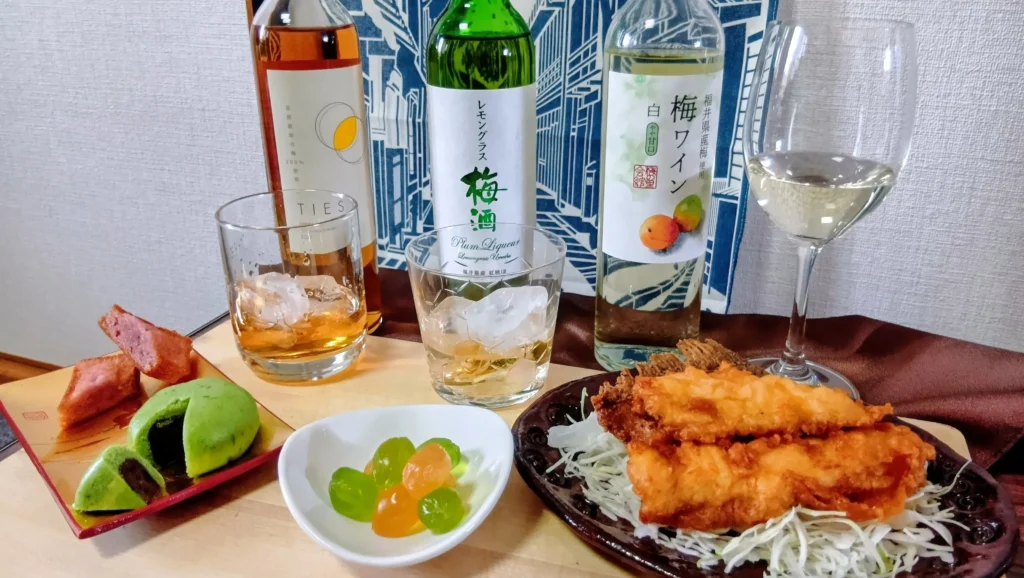
These two extremes aside, your very first experience with umeshu should probably be the semi-sweet white plum wine produced by Azumino Winery in Nagano. This umeshu is made from plums grown exclusively in Fukui Prefecture. Juicy with the perfect balance of sweet-and-tart, this wine almost had me fooled into thinking it had been pressed from grapes until the soft nuances of slightly-underripe plums hit my palate. Pair this one with green curry or Thai noodles as well as tempura. You can even jazz up your fish and chips with a glass! I promise no regrets.
About Keri Yazawa
Keri Yazawa, a resident of Kanazawa City since 2005, guides bicycle tours specializing in good food, quirky history, local craft making, and gorgeous landscapes.
Article photos and written content © 2025 Keri Yazawa. All rights reserved.