KANAZAWA
The Rise and Fall of Japan’s Lost Castle Town
While sightseeing in Japan, it’s impossible to avoid history. This is a country that deeply reveres its own past, so just about any remarkable structure you visit will likely offer a mention of the founders of Japan’s peaceful feudal period, the Edo Era, which lasted 260 years from 1603 to 1868.
What was Japan like before its “Golden Age” of feudalism?
To get a glimpse into the lives of the people who lived over four hundred years ago, pay a visit to a tiny valley folded into the outskirts of Fukui City: Ichijodani.
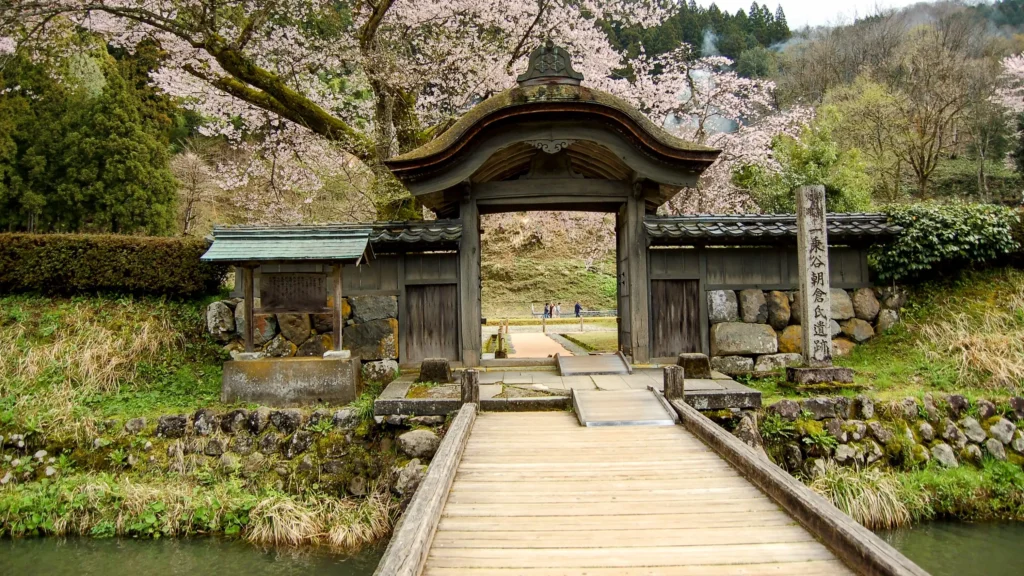
The old castle town of Ichijodani tells the story of sophistication, prosperity, and sudden and utter destruction. This is the legacy of one samurai family, the Asakura clan, which ruled the area with such forward-thinking expertise that, at one point, this river port town was bursting at the seams with the bustle of commerce, industrious craftsmanship, and the penultimate pinnacle of culture. (Second only to Kyoto.)
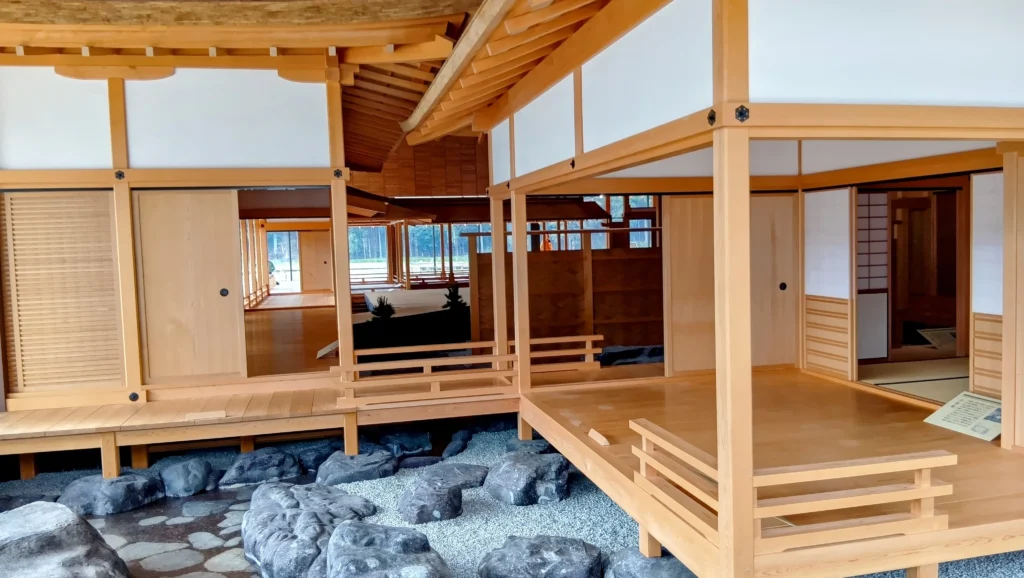
Following an impressive victory in battle, the head of the Asakura family relocated his household here to this river-fed valley in 1471 and promptly claimed the position of daimyo, or the liege lord, of Echizen Province. In the embrace of these rugged mountains, he built two intimidating gates that flanked his family’s sprawling palatial residence, a portion of which has been gorgeously reconstructed inside the Asakura Family Site Museum for visitors to wander through at their leisure.
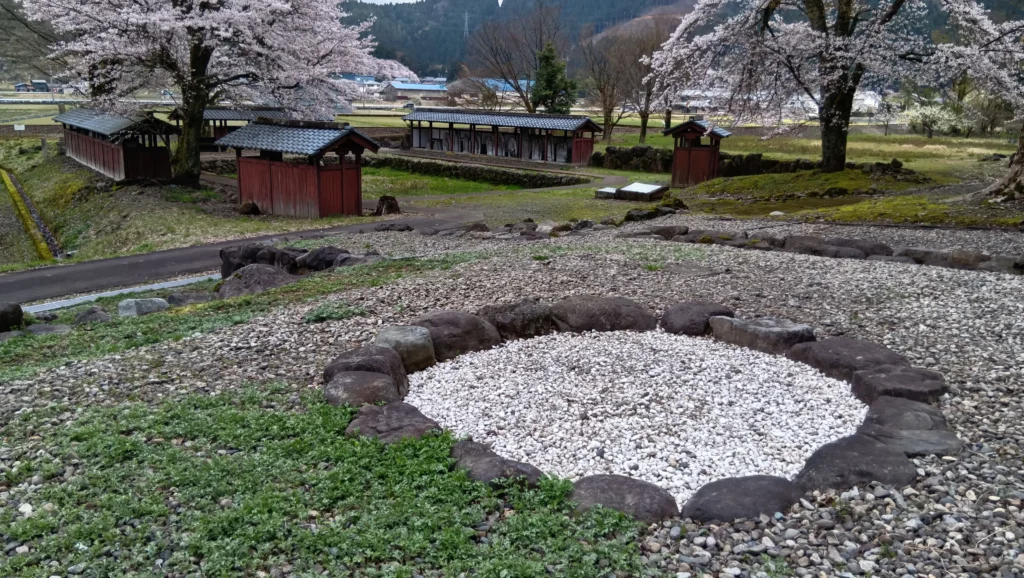
The actual site of the Asakura family home still exists just a short drive (or bicycle ride) away, providing a landscaped hillside where visitors can meander from one unearthed relic to another.
With access to the sea approximately 25 miles away via the Asuwa River and Asakura’s insistence on inviting only samurai families who shared his appreciation for education and culture to take up residence in within his domain, it was only a matter of time before Ichijodani became known for sophistication, trade, and manufacture.
Archeological evidence indicates that a wide variety of crafts were produced in Ichijodani. The tradespeople who lived and worked there included boxmakers, cloth dyers, and pharmacists. In the Asakura Family Site Museum, you can explore the delightfully detailed diorama of the old castle town by using a touchscreen and streetviews to zoom in on the 16th century locals as they go about their tasks.
However, I also recommend making time to venture outside, down the road and around the bend, to the life-size reconstructed homes of these craftsmen and their families. The Ichijodani Restore Townscape gives modern-day visitors the chance to step into their daily lives.
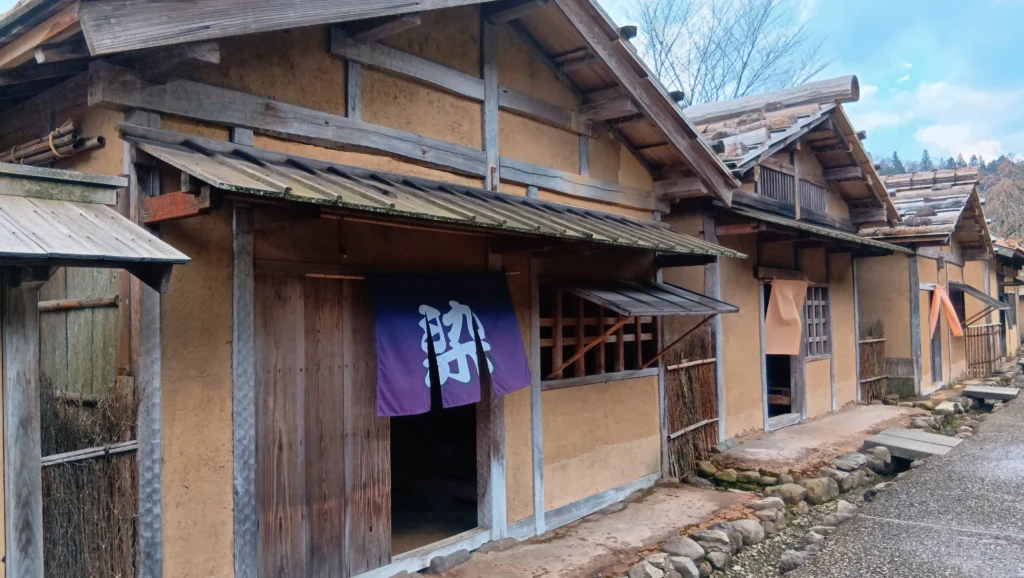
For five generations, the Asakura family ruled the Echizen Domain. Their children were educated in poetry and their sons were taught to play sports such as kemari, which is somewhat similar to football. This might seem like a frivolous pastime, but the rules of conduct for kemari were surprisingly transferrable, offering guidelines that enabled wise decisions in adulthood. In short, there was nowhere else in Japan outside of the Imperial City of Kyoto that was as vibrant and successful as Ichijodani. Samurai lords from all over the country made the arduous journey just to rub elbows with the Asakura clan.
So what happened?
The Asakura family made a fatal mistake. They sided with the country’s grassroots resistance, the Ikko-ikki, against the up-and-coming warlord Oda Nobunaga. Defeated in battle, the head of the Asakura family took his own life in 1573. On the orders of the victor, Oda Nobunaga, the castle town was razed to the ground and rice fields were planted atop the ruins.
The prosperous community of Ichijodani slept for centuries deep in the soil until 1967 when its foundations were rediscovered and excavated. Today, it is Japan’s best-researched castle town from the country’s Middle Ages. The Asakura Family Site Museum, which was constructed around the remains of the town’s main thoroughfare, attests to that fact.
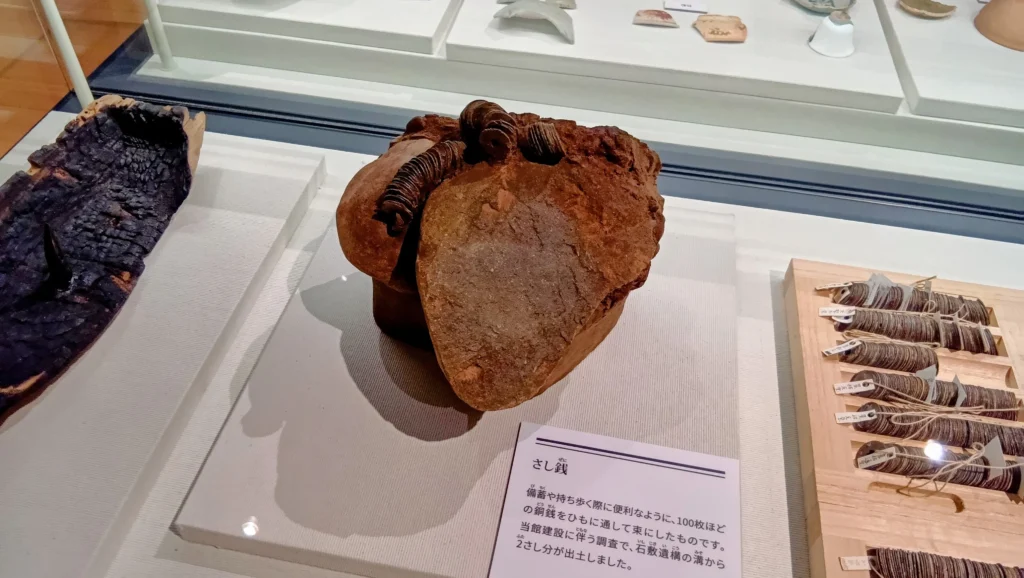
Only a fraction of the thousands upon thousands of artifacts that have been found are displayed, but they paint a vivid picture of the lives and livelihoods of the people who once walked these stone streets right up to and including the chaos of its destruction. This string of coins, melded to the stone of the gutter where they’d fallen, illustrates the pandemonium in the streets as people ran for their lives, a venture that probably proved futile.
History is written by the victors but, every once in a while, a hidden gem is discovered that gives a voice to those who had been silenced. At Ichijodani, you’ll hear those ancient people speak as clearly as if they were standing right beside you.
About Keri Yazawa
Keri Yazawa, a resident of Kanazawa City since 2005, guides bicycle tours specializing in good food, quirky history, local craft making, and gorgeous landscapes.
Article photos and written content © 2025 Keri Yazawa. All rights reserved.