KANAZAWA
The Art of Steel: Discovering Japan’s Master Metalworkers
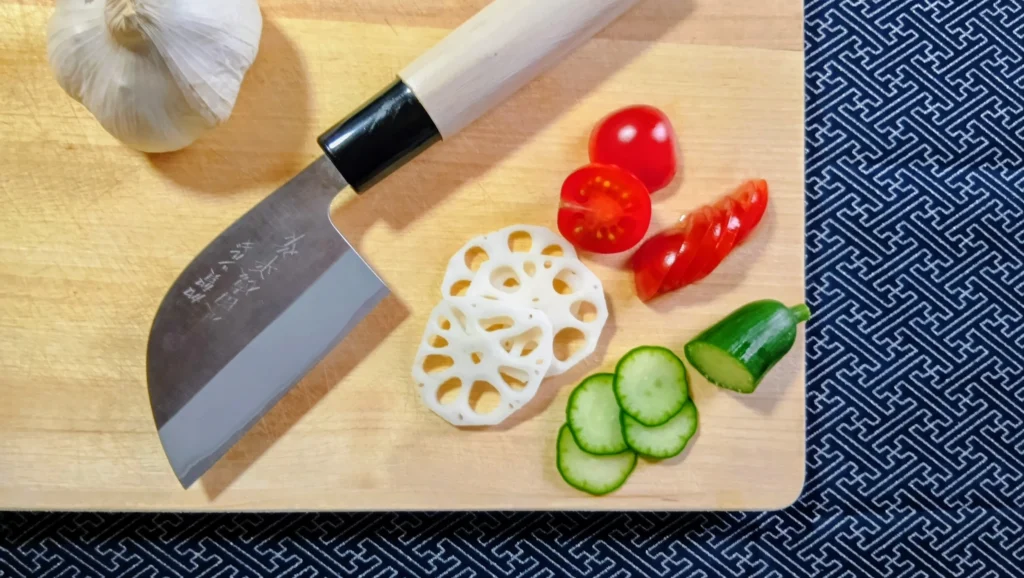
If you’ve seen a samurai sword, then you already know how elegant and precise Japanese metalworking is. For centuries, the demand for beautiful and functional objects for daily life drove smiths into the realm of artistry, a trend which continues even now and extends well beyond swords and armor: pendants and brooches, custom-made saws and pruning shears, and supremely sharp kitchen knives. All of these and more can be found within a one-hour train ride within the Kanazawa area.
Takefu Knife Village
For centuries, Japan’s knife-makers created each blade by hand, from start to finish. But then, with the advent of mass production in the 20th century, their entire craft was threatened by cheaply made counterparts. The smiths in the town of Takefu fought back by redesigning their knives, both the blades and the handles, to be works of art. This savvy move revitalized the traditional knife-making industry, carrying it through those rocky years and into the 21st century.
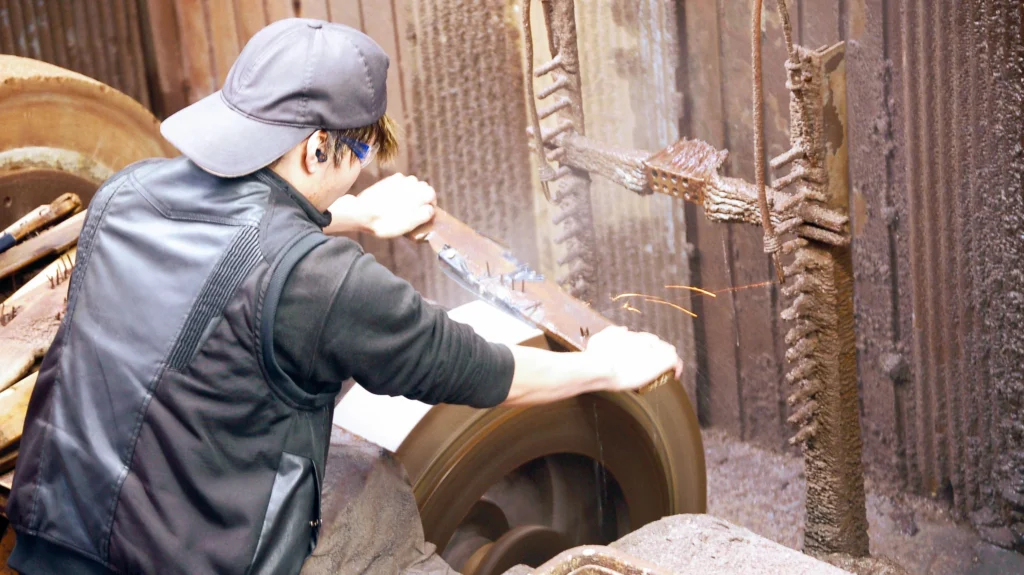
To this day, the artisan knives manufactured at Takefu Knife Village are worked entirely on-site, from forge to blade’s edge. Fifteen craftspeople from nine master knife makers collaborate in one workshop, each taking pride in its own signature design.
At the Takefu Knife Village, visitors can browse the shops, wander through the exhibit, and enjoy a balcony-level view of the goings on in the workshop. With an advance reservation, you’re even able to create a knife from start to finish, a process which takes six hours.
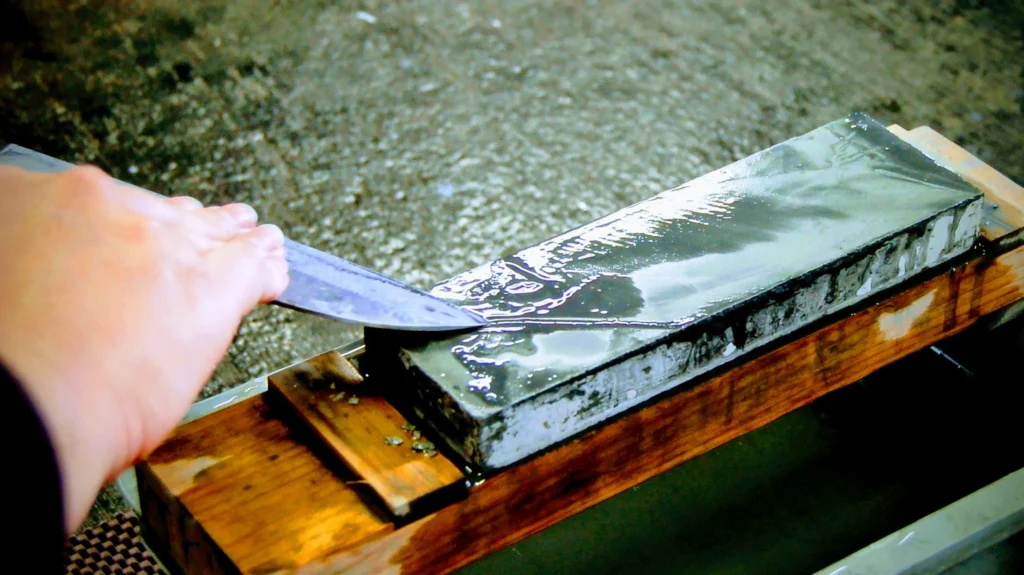
Or, if you’re not ready to commit an entire day to working while on vacation, opt for the 90-minute course that shows you how to hone the edge of a knife that’s nearly finished. Either way, you’ll have a functional example of Japanese metalworking to take home with you that same day.
Tsurugi’s Traditional Saw Maker
Japan’s long-ago carpenters would not have gotten very far without lumber to work with and, in order to fell trees and cut timber, not just any saw but the right saw for the job is essential. In the countryside just beyond Kanazawa City is a small town with a long, proud history of metalworking: Tsurugi. These days, the name Tsurugi means “Cranes Come,” which is lovely if you’re into bird-watching, but centuries ago, the name of Tsurugi was written with a single kanji character meaning “Sword.”
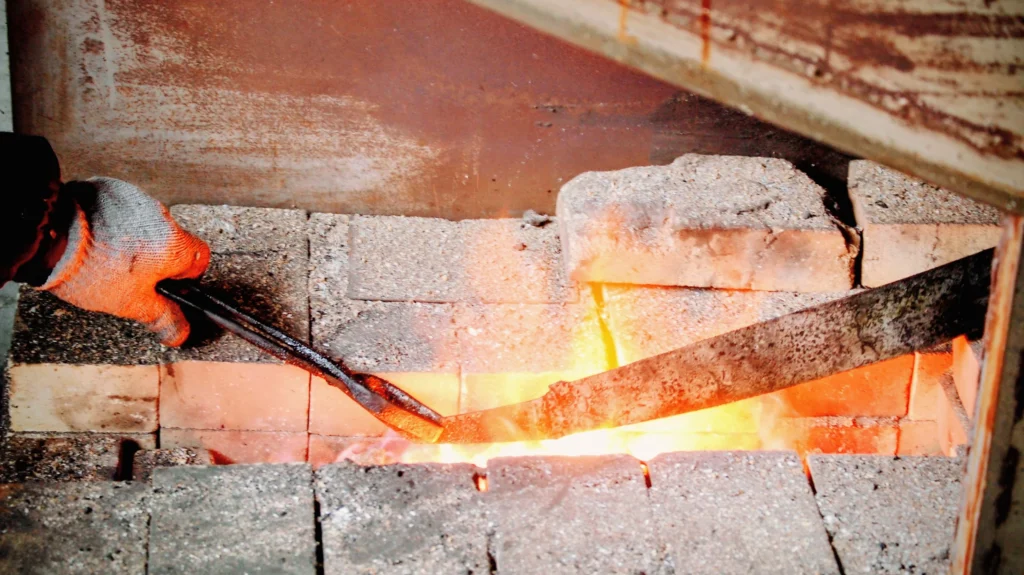
In this day and age of mass-produced tools, the demand for handcrafted and task-specific saws is dwindling, making the Ikeda Tokubei Saw Factory one of the last makers of traditional Japanese cutting implements for outdoor work.
Each saw is cut from a sheet of steel before it is heated in coal and coke before being hardened in an oil bath. Then the still smoking material is hammered, precision ground, and polished. Finally, the teeth are cut out and painstakingly filed by hand in alternating bevels.
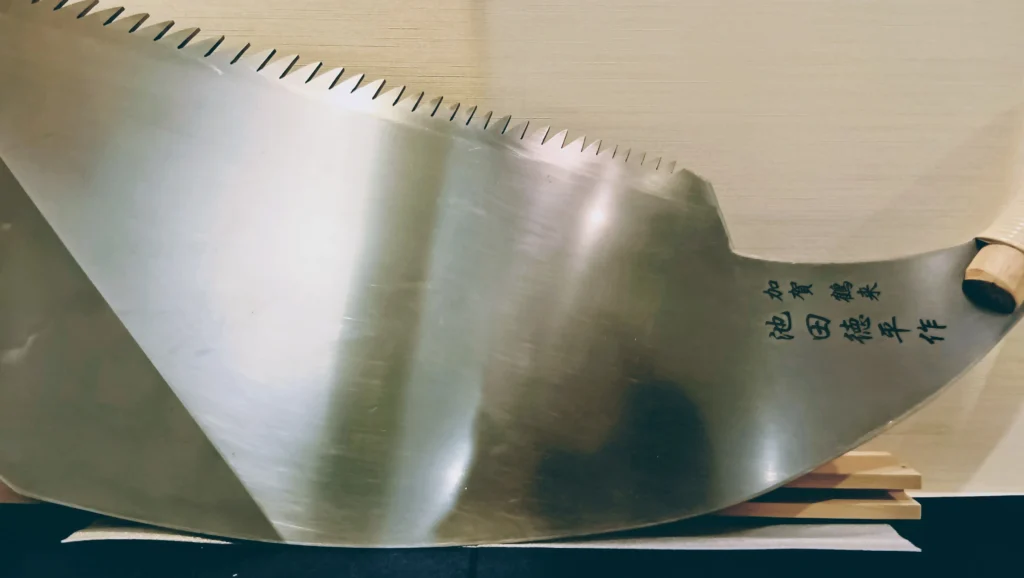
The width of the metal and the size and spacing of the teeth determine, among other things, whether the saw is meant to cut down a tree or cut along its grain to produce smooth boards.
Why is smoothness important when cutting wood? Because it helps seal out water and thereby prevents damage and delays decay which allows the building or sculpture to last hundreds of years. (Japan’s dozen or so original castles are still standing thanks to the saws used on their timbers, I am sure.)
Gardeners benefit from precision saws, too. The smoothness of the cut is vital to a living tree’s continued health after pruning. Plus, you’ll be far more likely to get successful hybrids from any grafting or splicing you attempt.
Kaga Metal Inlay
Gold, silver, and copper alloys in a seamless design: this is the art of Japanese metal inlay. The end result is so smooth that the image looks painted on, but it isn’t.
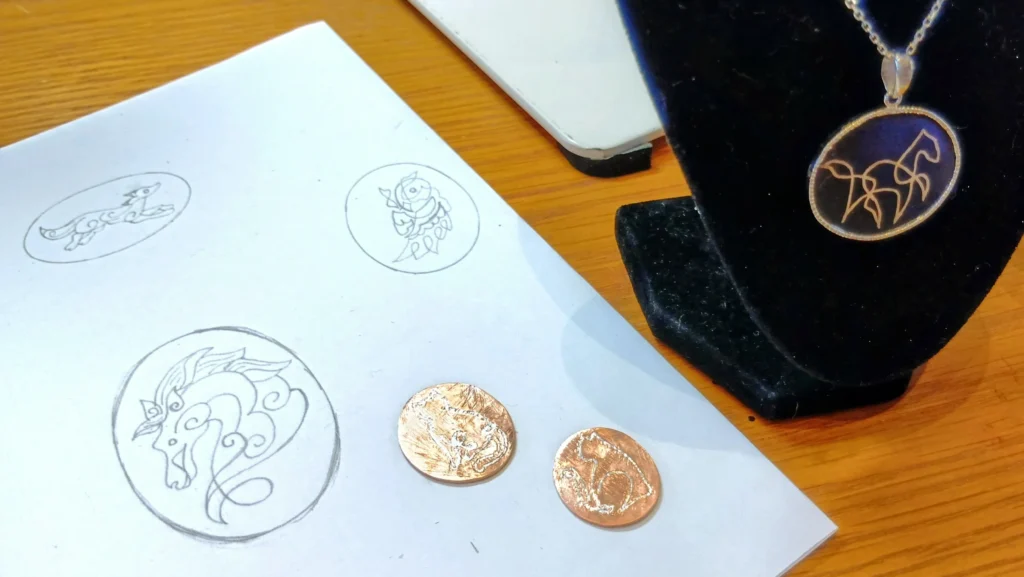
Kaga metal inlay, a unique method among inlay techniques, was developed in the Kanazawa area on the coast of the Sea of Japan. (Once upon a time, Kanazawa City and its surrounding land was called Kaga. Hence the name “Kaga inlay.”) Here, wealthy samurai families of the feudal era commissioned the very finest works that could be crafted by metalworkers. Even today, artisans resolutely stick to the traditional methods that have been used for centuries. There is no glue. There are no adhesives of any kind. There is no soldering, either. So what is the secret to this incredible metal-on-metal creation?
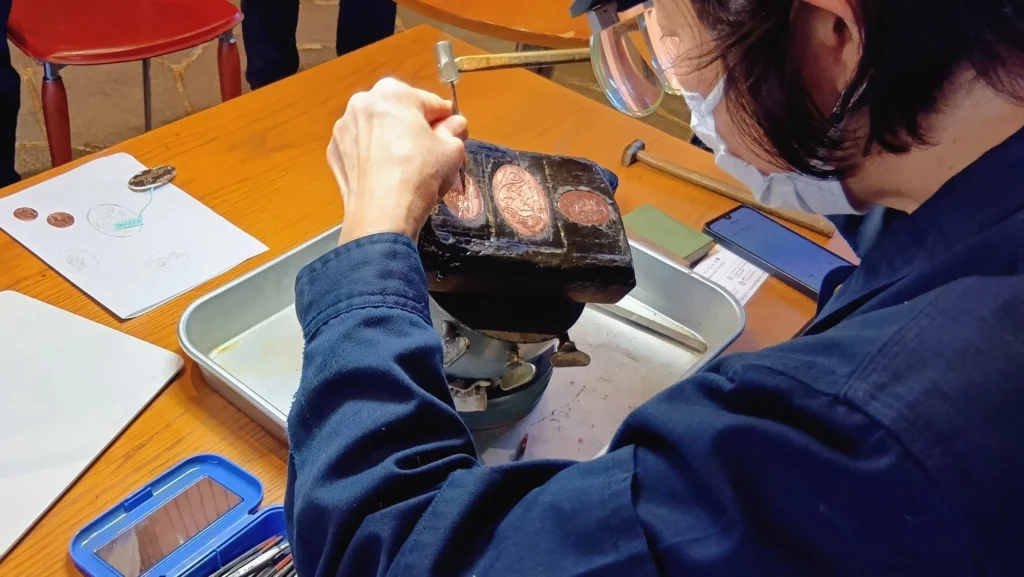
The inlay process includes four basic steps. First, the design is cut into the base metal. Then, a bevel edge is cut which makes the bottom of the etching wider than the top. (Imagine a cross-section similar to a trapezoid.) Finally, a second piece of metal is hammered in. The end result is then treated chemically to reveal the nuanced colors of the metals before it is washed and polished.
But there’s a trade secret, and that secret is daikon, or Japanese radish. The juice from radishes is used to cleanse the final product of dirt and hand oils. Nothing works better than crushed daikon to both bring out the shine and protect the integrity of the metals. Who first thought of this? Now that’s the real mystery.
About Keri Yazawa
Keri Yazawa, a resident of Kanazawa City since 2005, guides bicycle tours specializing in good food, quirky history, local craft making, and gorgeous landscapes.
Article photos and written content © 2025 Keri Yazawa. All rights reserved.