
Shirakawa-Go & Gokayama Exploring The Beautiful (But Busy) World Heritage Villages Of Shirakawa-Go & Gokayama
©Peter Carnell
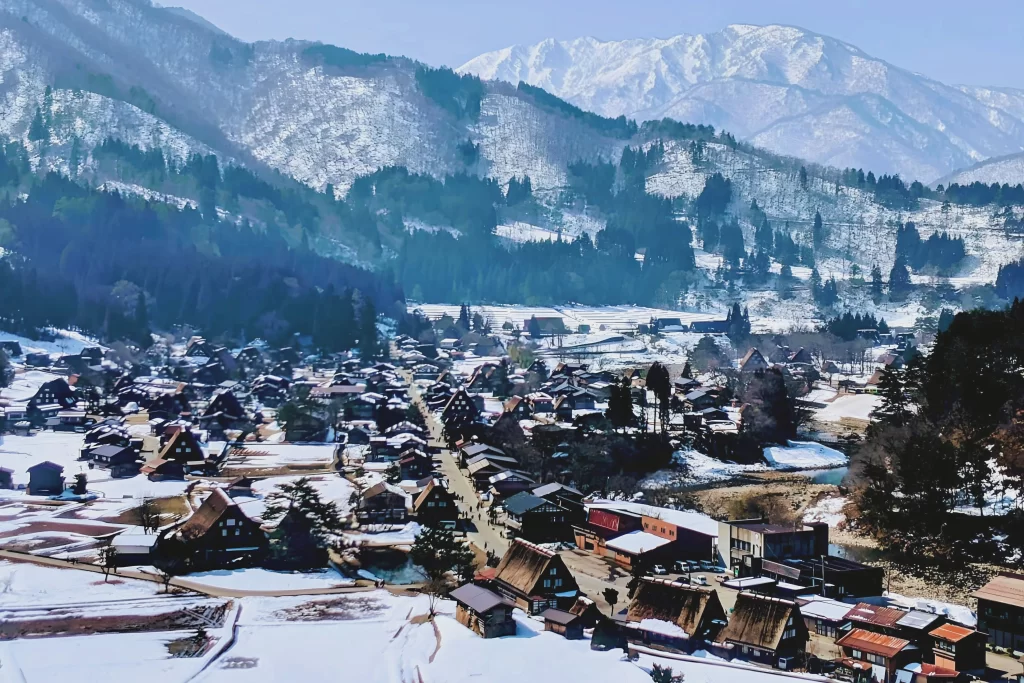
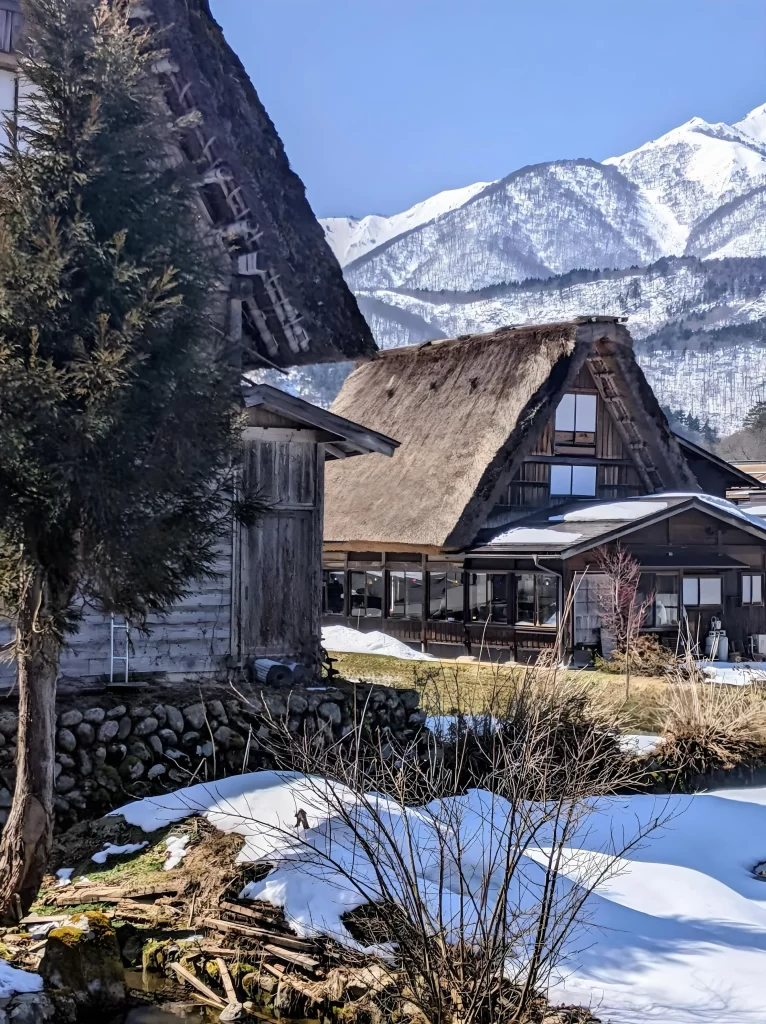
Inscribed on the UNESCO World Heritage list in 1995, the collectively named Shirakawa-go and Gokayama is comprised of three alpine villages – Ogimachi, Ainokura and Suganuma – recognised as “outstanding examples of a traditional way of life perfectly adapted to the environment and people’s social and economic circumstances”. If that all sounds a little academic – which after all, it is! – then said more simply the villages of Shirakawa-go and Gokayama have long been cherished for the aesthetic beauty of their distinctive “Gassho-zukuri” thatched-roofed houses set amongst the bucolic beauty of neatly organised rice fields, and against the backdrop of the snow-capped mountains that rise above. These large gabled houses are, if of themselves, manifestations of ingenious adaptation to the surrounding environment which is without question beautiful yet challenging.
©Peter Carnell
Located to the south of Kanazawa in neighbouring Gifu Prefecture, Shirakawa-go – as it is typically abbreviated to – sits on the fringes of Hakusan National Park. It is an alpine landscape dominated by mountains and dense forest, affording residents little arable land and subject to heavy snow and deep cold each winter. With evidence of human habituation stretching back as early as 7000BC, the hardy people that have long called this landscape home have survived through shaping daily life around and in response to their immediate environment and climate. Most notably, the large Gassho-zukuri houses which define the villages, were designed to withstand the challenges of winter in which the communities would be cut off from the outside world and have to live and work within their homes for months on end.
A Place of Beauty and Cultural Significance
Construction of the houses including maintenance and replacement of their impressive thatched roofs was an all-of-community undertaking which embodied the communal spirit of “yui” or mutual cooperation and reciprocity. Typically replaced every 20 or 30 years, the effort can involve up to 200 villagers and to this day remains an important act of bonding within the communities. As such, the villages are very much living and working rural communities that to this day continue centuries old traditions including construction and farming techniques adapted to the alpine environment.
©Peter Carnell

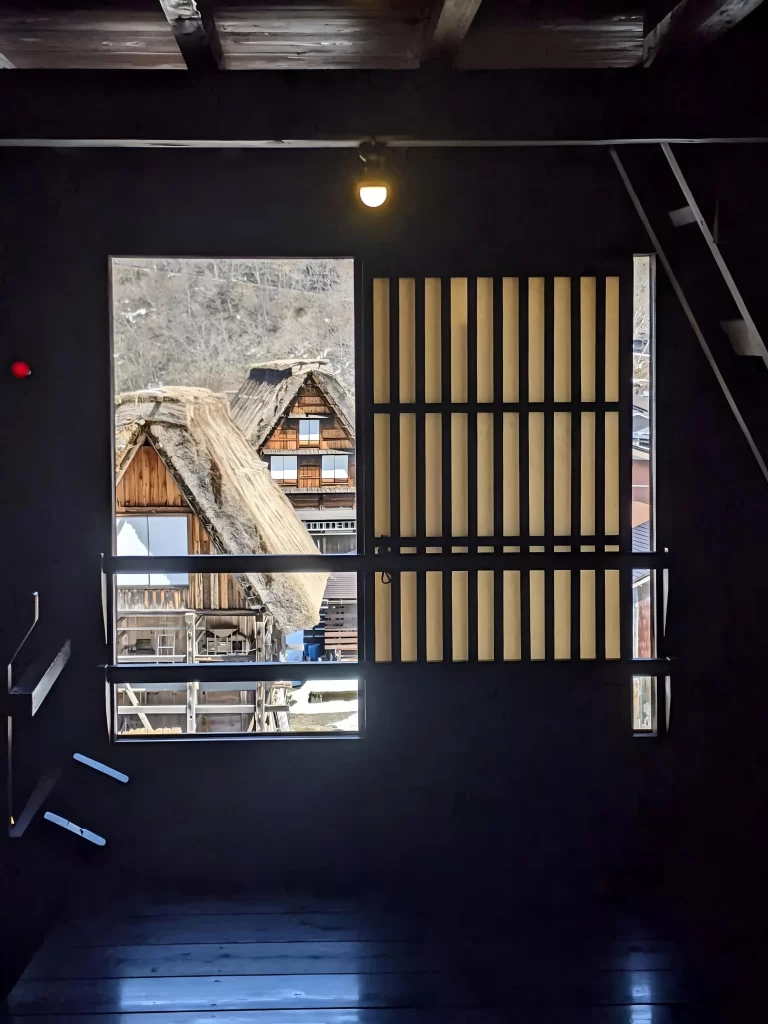
Several buildings now act as museums including the Wada-ke House, the Kanda-ke House and Nagase-ke House and can be accessed by visitors. Multiple other houses have also been converted into restaurants, cafes, shops and a limited amount of accommodation. Importantly, most houses remain private residences and cannot be entered while active rice and farming fields remain essential to life in the village. Visitors are asked to remain mindful of that fact and only enter permitted buildings and areas.
When to Visit & Avoiding the Maddening Crowds
Readily accessible from Kanazawa and Toyama, the villages are hugely popular thanks to their World Heritage status and photogenic character. Each season offers its own distinct beauty and reasons to visit including the deep snow of winter, the new growth and blossoms of spring, bright green fields and blue skies of summer and the mosaic of color and harvest of autumn. For that reason, each season is popular yet our recommendation is to visit in summer or autumn, when village life including farming and harvesting is at its busiest.
©Peter Carnell
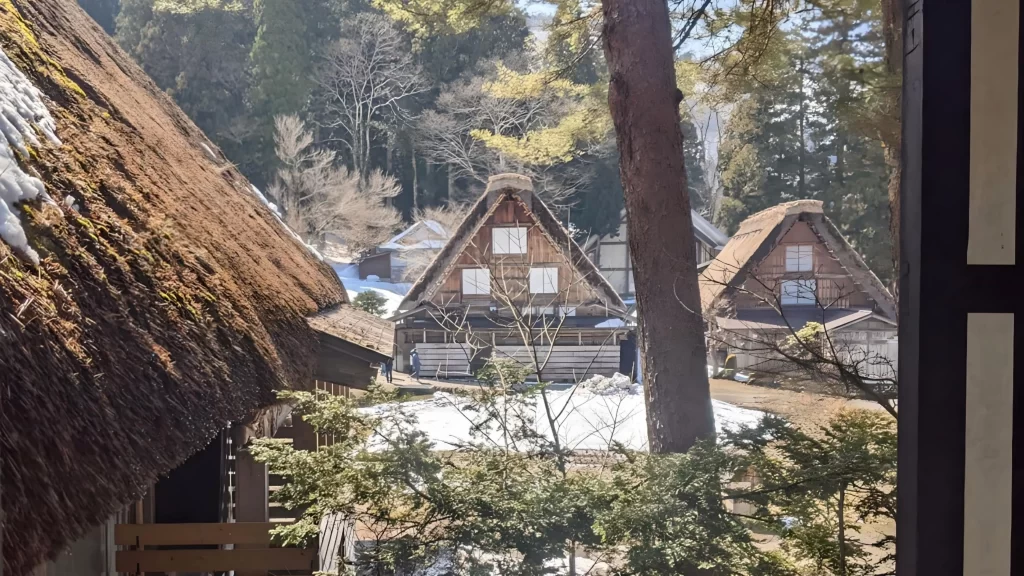
Regardless of when you choose to visit, expect Shirakawa-go to be busy and at many times of year, over-touristed. It raises the question of whether Shirakawa-go and Gokayama are still worth visiting? In short, the answer is yes. The cultural significance of the villages – which justifies their listing on the UNESCO World Heritage list – remains self-evident and despite the crowds, a visit to Shirakawa-go and Gokayama offers insight into the regional variation of traditional life throughout Japan.

©Peter Carnell
Most visitors including large tour buses head to the largest village of Ogimachi however the smaller villages of Ainokura and Suganuma experience relatively little tourism and on some days can be almost empty. For that reason, we also recommend considering combining your visit to Ogimachi with either Ainokura or Suganuma or even avoiding Ogimachi and prioritising one or both of the smaller villages.
How to Get There
Ogimachi – the largest village of the Shirakawa-go and Gokayama grouping – is approximately a 70 minute drive from central Kanazawa or 80 minute drive from central Toyama, using a private car. From June to November, Ogimachi can also be accessed using the beautiful “White Road” through Hakusan National Park and combines easily with the nearby historic old town of Takayama – approximately 50 to 60 minutes drive – and further destinations such as Kamikochi, Gujo Hachiman and Matsumoto. We recommend including Shirakawa-go and Gokayama as part of wider exploration of the mountains of Central Japan.
About Peter Carnell
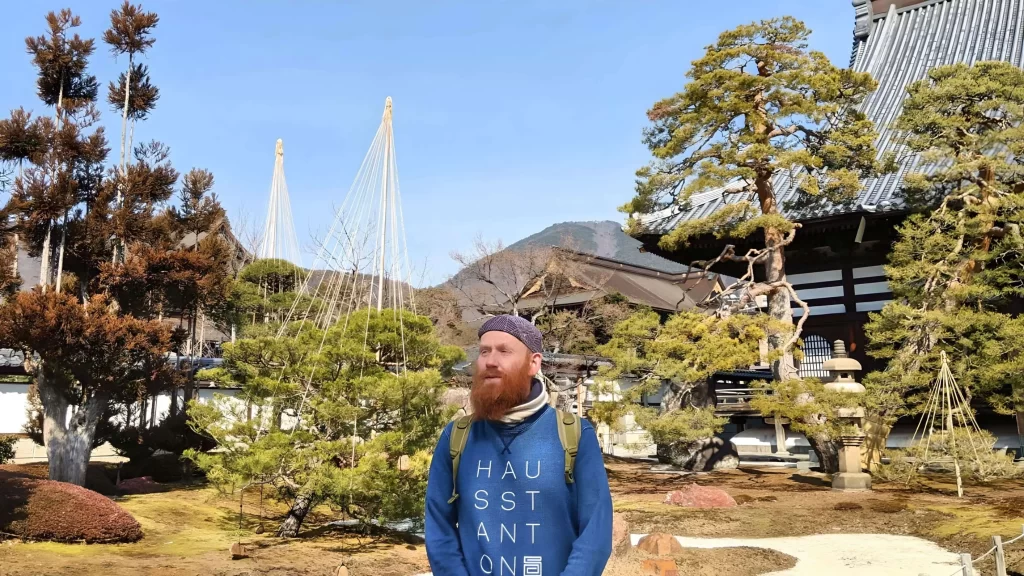
Peter Carnell is a freelance tour guide, writer and podcaster based in northern Nagano. Peter specializes in guiding in Nagano and surrounding prefectures which make up Central Japan, while also hosting the bi-weekly “Outland Japan” podcast – a podcast about travel, life and culture in regional, rural and the wilds of Japan. Peter’s guiding, writing and entire approach to Japan is underpinned by his academic background, having studied a Bachelor of Archaeology in the United Kingdom and a Master of Cultural Heritage and Museum Studies in Australia.
©Peter Carnell
Other Contents
-

Planning a Japan Trip in 2025 or 2026? 3 Key Tips You Need to Know Before Booking
-
Journey Through Japan with Kizuna: Teaghan’s Top Picks
-
Journey Through Japan with Kizuna: Bill’s Top Picks
-
Embrace Japan’s Unique New Year Charm: A Cultural Experience Like No Other
-
The Ultimate Guide to Japanese Rice: History, Types, and Delicious Recipes
-
Japanese Festival Guide for TouristsA Journey Through Seasonal Celebrations
-
Tokyo Train Travel 101: Tips for First-Time Travelers