KANAZAWA
Fukui Paper Craft Guide: Discover Japan’s Washi & Origami Culture
How old were you when you folded your first Japanese paper crane? Most of us have had some experience with origami, the Japanese art of paper-folding, but have you ever stopped to wonder about the paper itself? Even in our modern paperless (and cashless) society, it’s easy to overlook the importance and artistry of paper, which is a real shame because it has the potential to make your visit to Japan even more memorable. If you’re traveling between Kyoto and Kanazawa, stop by these three sites in Fukui Prefecture and prepare to be charmed, delighted, and impressed.
Tsuruga’s Museum of Paper Children
There is a place of nostalgia where childhood lasts forever and the sun always shines, where the laughter is always happy and the games are won by everyone. It is the world of paper children in Tsuruga City. Tucked into a corner of the city’s historic neighborhood is the former residence of a pre-war bicycle shop that has been given new life as the home of the most adorable handmade dolls you will ever see.
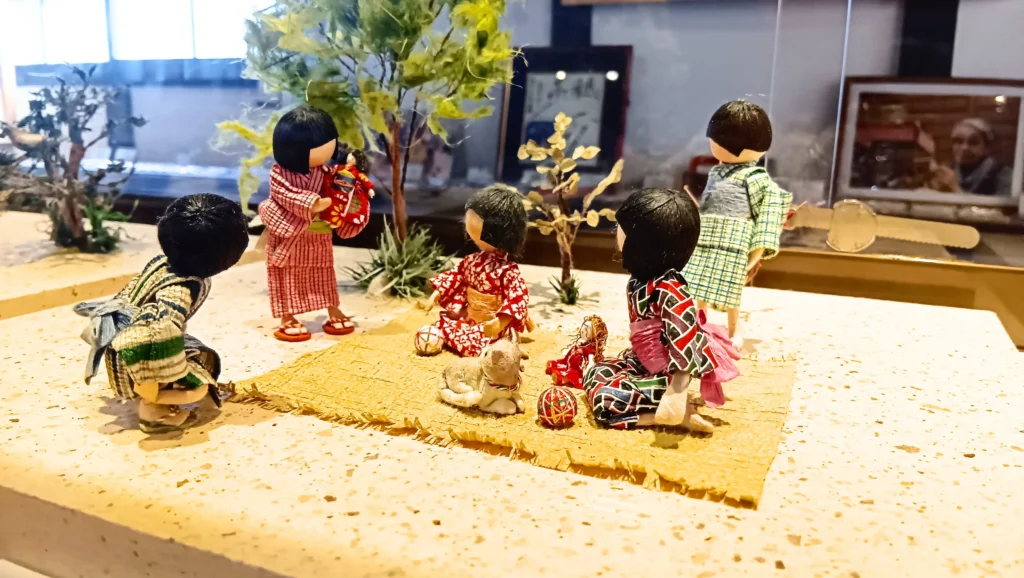
Each is about four inches tall, or “hand-sized”, captured in a candid moment of daily life. Their creator, Eiko Takagi, experimented for many years before arriving at this charming design in 1967. The years leading up to her success were hard ones: she lost two of her four brothers during WWII and, at one point, was certain her husband had died in battle as well. (He hadn’t, but she would wait two years for him to return to her and their two young daughters.)
The subjects of each miniature are inspired by the peaceful moments she remembers from her own childhood in the 1930s, and even though each doll is faceless, you can feel their emotions and imagine their thoughts. Of her works, Eiko wrote: “Looking at each doll, I feel they all have a determination to live on, to not give up. To live their lives to the fullest, using their own strength.” With this inspiration, she carefully posed each doll in such a way as to remind us of the preciousness of life. In my humble opinion, this is the most eloquent expression of Japan’s post-WWII will to survive that can be found today.
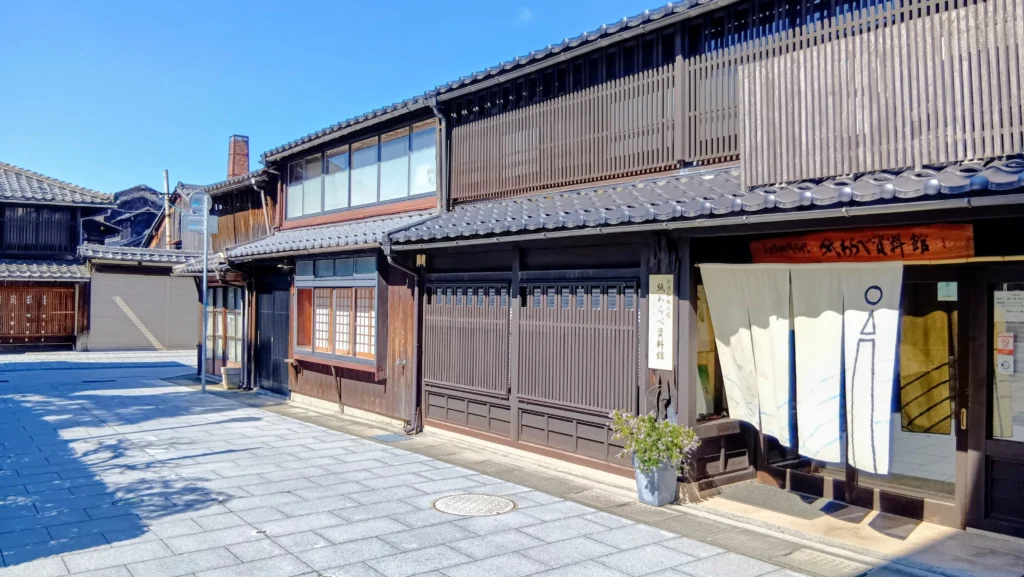
A visit to the museum will give you the opportunity to view selected works from the artist’s vast collection of scenes, which numbers approximately two hundred. They are rotated with the seasons and also annually, so regardless of when or how often you visit, the experience will never be exactly the same.
Takefu’s Village of Paper
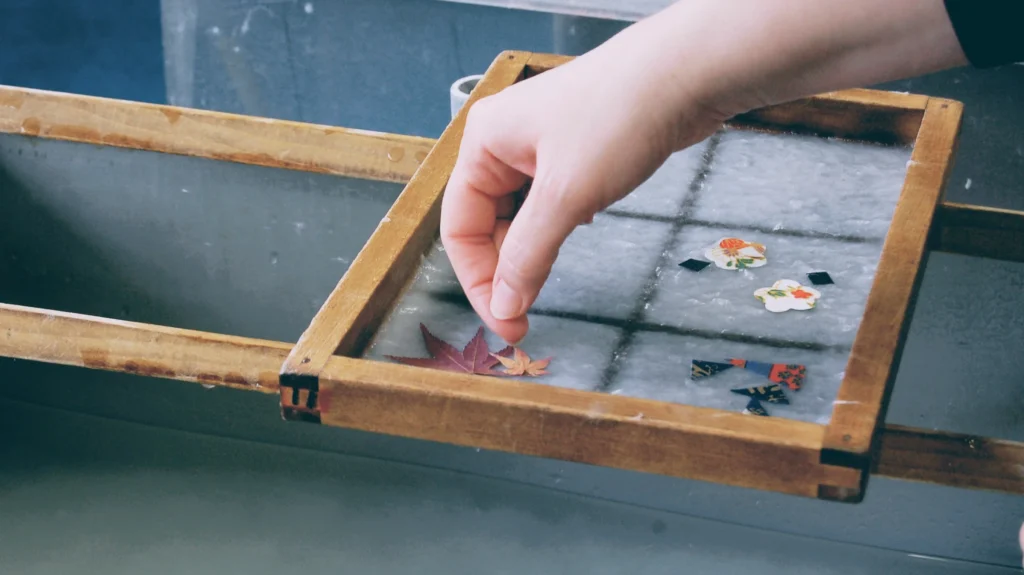
Eiko Takagi’s paper children are only one of the many works made with paper that is locally produced in Fukui. Just one train stop away is an entire community of paper-makers. There are even hands-on experiences for travelers. Make a reservation for a paper-making workshop and go home with a sheet of washi paper, decorated with bits of colored paper or dried flowers, dyes, and glitter. I opted for a set of coasters.
The people of this mountainside village have been making high-quality paper from mulberry trees for centuries. Even in the feudal era, the paper made in this area was lauded as some of the best. Today, many of the factories are modern facilities, but you can still see the traditional paper-making process demonstrated by skilled craftspeople.
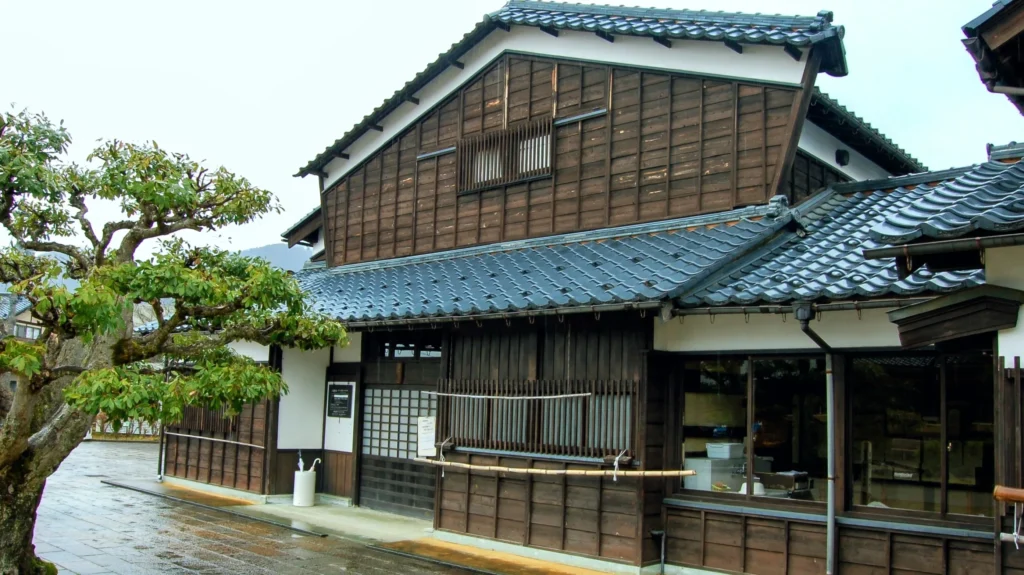
Those with a keen eye for Japanese traditional architecture will notice several unique features of the old paper factory building, the most obvious being the “store front” which extends above the line of the roof. At over 250 years old, the entire structure is impressively well-maintained, but what’s more, this building has always been a paper factory. The only major change it has undergone in its lifetime occurred thirty years ago when it was moved from its original location further up in the mountains to the center of Takefu’s Village of Paper.
A Prayer to the Goddess of Paper
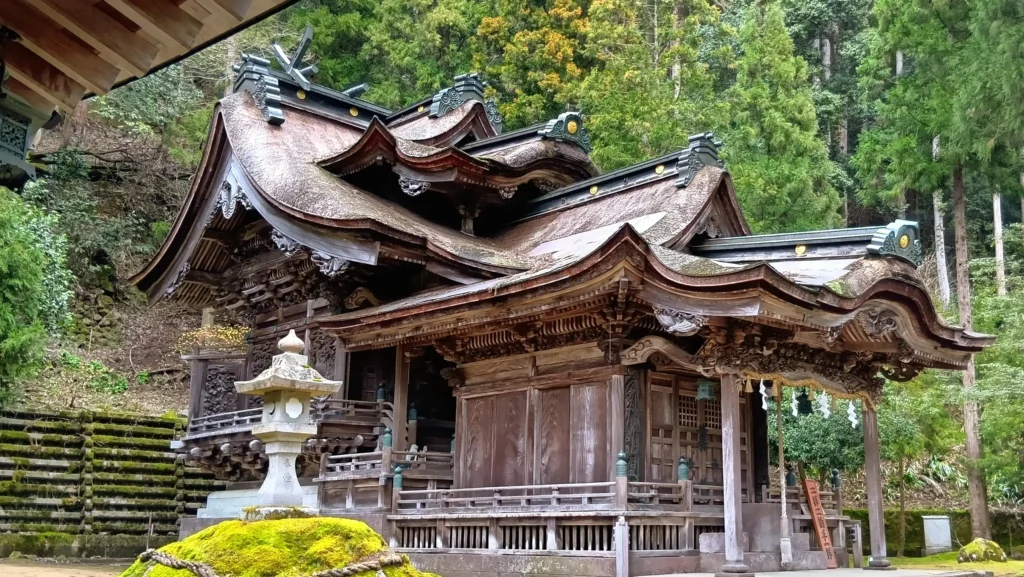
Before you leave Takefu, wander just a few minutes further up the road into the mountains to stop by Otaki-Okamoto Shrine, dedicated to the Goddess of Paper.
Her story goes something like this: many years ago, a mysterious woman arrived in this small community and, seeing how difficult it was for them to grow rice in the narrow, shady valley that they called home, she advised them to use the clear, clean local water to make paper. She taught the villagers the art of paper-making before she stepped into the river and disappeared upstream, never to be seen again.
The shrine grounds are studded with stone lanterns and the shrine itself has been intricately carved by masters. Carp banners, dragons, shrine dogs, and scenes from folklore have been captured in 180-year old cypress wood. There are few shrines or temples in Japan with outer carvings to match the excellence of Otaki-Okamoto Shrine’s.
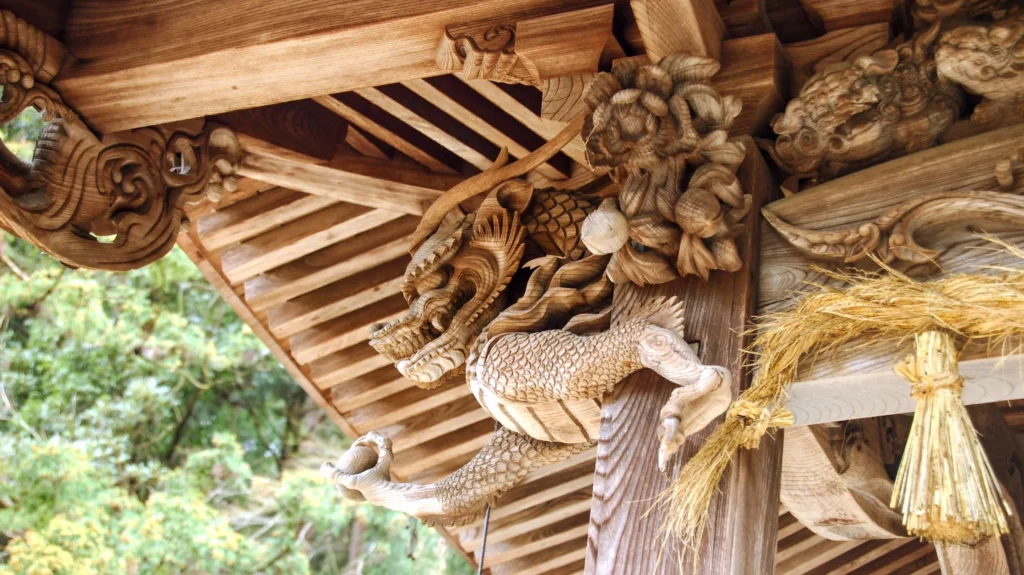
If you’re planning your trip in 2027, you’re in luck: the shrine’s ornate roof – considered one of the most beautifully elaborate among Japanese shrines and temples – will be fully restored for the first time in thirty years, making the shrine even more spectacular.
About Keri Yazawa
Keri Yazawa, a resident of Kanazawa City since 2005, guides bicycle tours specializing in good food, quirky history, local craft making, and gorgeous landscapes.
Article photos and written content © 2025 Keri Yazawa. All rights reserved.