KANAZAWA
Mountain Traditions of Japan: A Journey Through Shiramine Part 3
When it comes to exploring Japan, some of the most rewarding and unique experiences are only had by daring to veer off the beaten path. Often, this means finding yourself in the mountains. Japanese mountain villages aren’t just picturesque settings for movies and comics. They’re real places with real people living the traditions of their ancestors. In places like Hakusan City’s rural community of Shiramine, many traditions have been ongoing for centuries.
Sumo Wrestling
Every September for over the past dozen or so decades, the tiny village of Shiramine celebrates its locals’ love of Japanese sumo wrestling. Local men as well as wrestlers-in-training from university sumo teams clash upon the hardpacked sand stage, hoping to push, throw, haul, or tumble their opponent out of the ring.
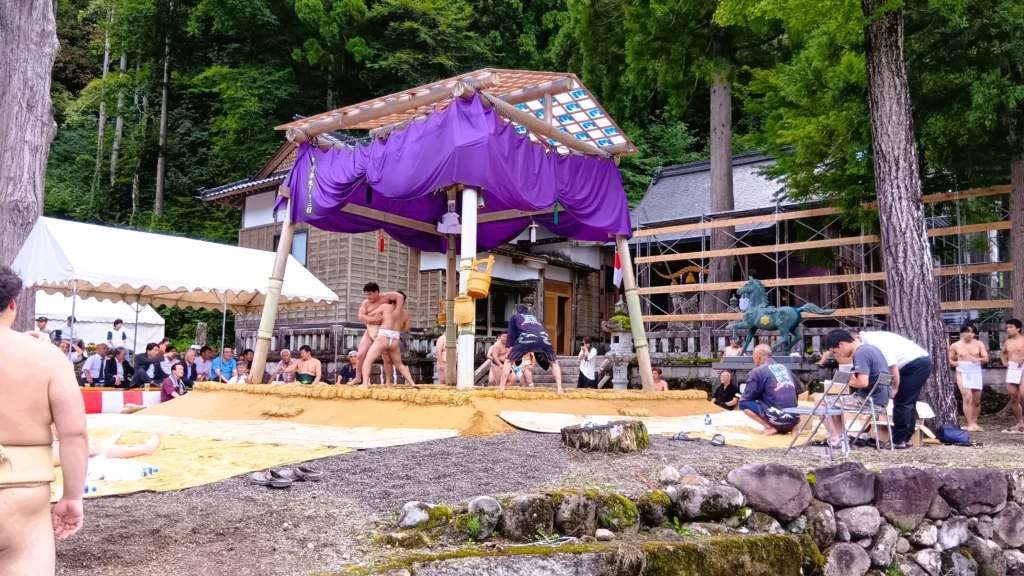
What’s at stake? Well, thanks to the generosity of sponsors, there are cash prizes for every bout… or series of bouts, as the case may be. You may end up watching one wrestler take on three opponents, one after another. Or there’s the lightning-quick event where the first wrestler to manage three consecutive wins walks away with the money. Yes, money is all well and good, but it’s easy to see from the squared shoulders of the contenders that pride is a factor. Still, win or lose, there are smiles and cheers, driving home the real point of the sumo festival: community.
A Stroll Through Days Gone By
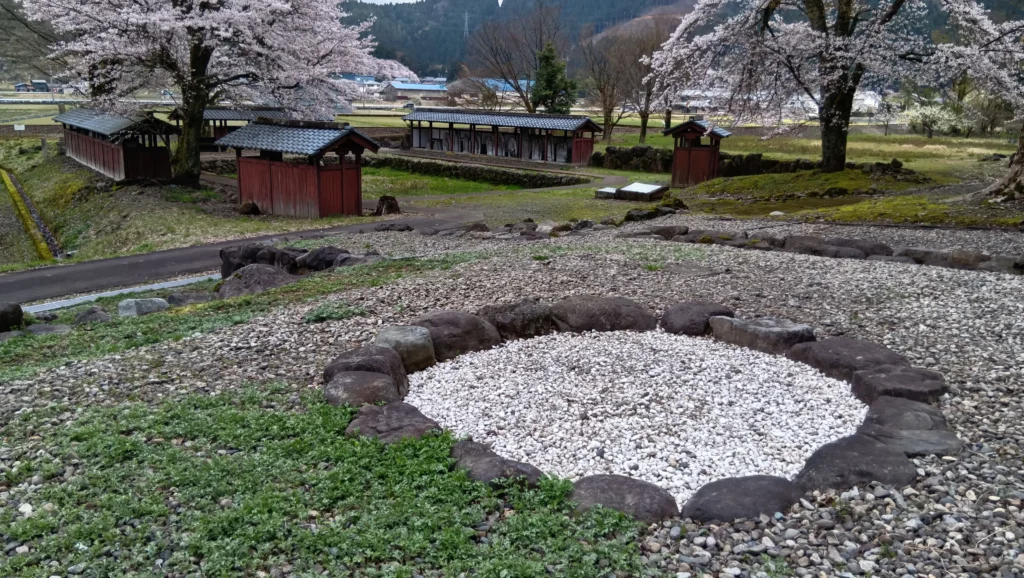
Shiramine has enjoyed a tightly knit community since before the local mountain of Hakusan was regarded as a site of holy pilgrimage by Buddhists. (Since the year 717, if you were curious.) While the homes and shops and storehouses have come and gone over the course of the intervening years, the way of life remained largely unchanged until the turn of the 20th century. Sustainable farming methods, sericulture (the raising of silkworms), and the businesses that thrived due to hikers eager to reach the summit of sacred Mount Hakusan – all of these can be explored at the Hakusan Folk Museum.
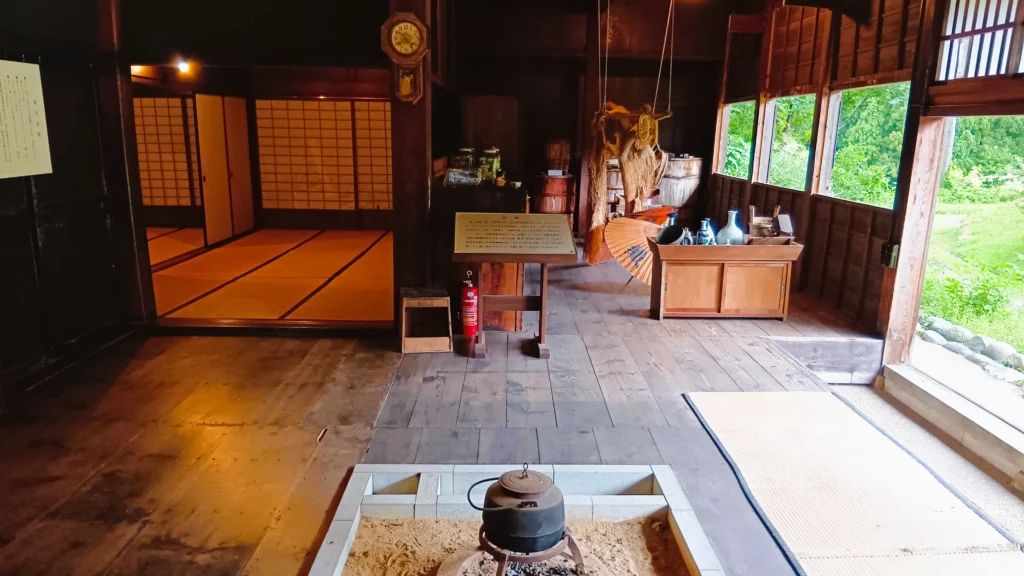
With English explanations provided via QR codes, you’ll find yourself experiencing what it was like to be a humble farmer, the headmaster of a school of Buddhism, a shopkeeper, a flax weaver, a hunter, and even the richest man in town! Truly, if you enjoy poking around in the nooks and crannies of homes from times gone by, you’ll easily lose yourself for an hour or more here.
Make Yourself at Home
Having made the full circuit of seven structures, you’ll be ready for some sustenance. A 10-minute walk away is Shiramine’s famous Yukidaruma Cafe. Step into the foyer, which is mostly shop but also partly local gallery, and say hello. A member of the family who lives there will guide you into their spacious dining room.
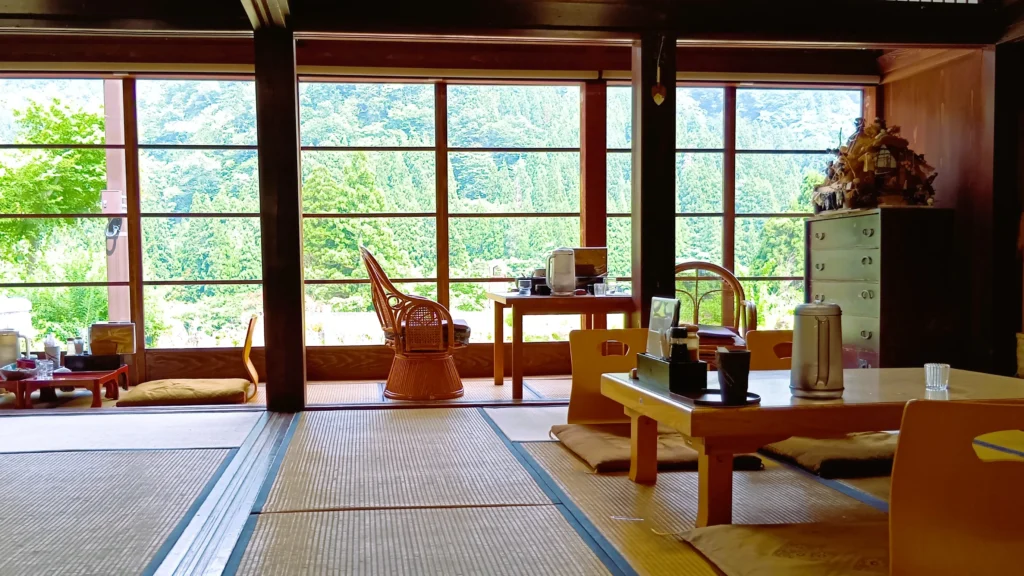
After you place your order, wander the room. On one wall, you’ll find a veritable shrine to local sumo legends. On the other wall, you’ll be presented with books and pamphlets on yukidaruma. What are yukidaruma? Why snowmen, of course!
The Snowman Festival
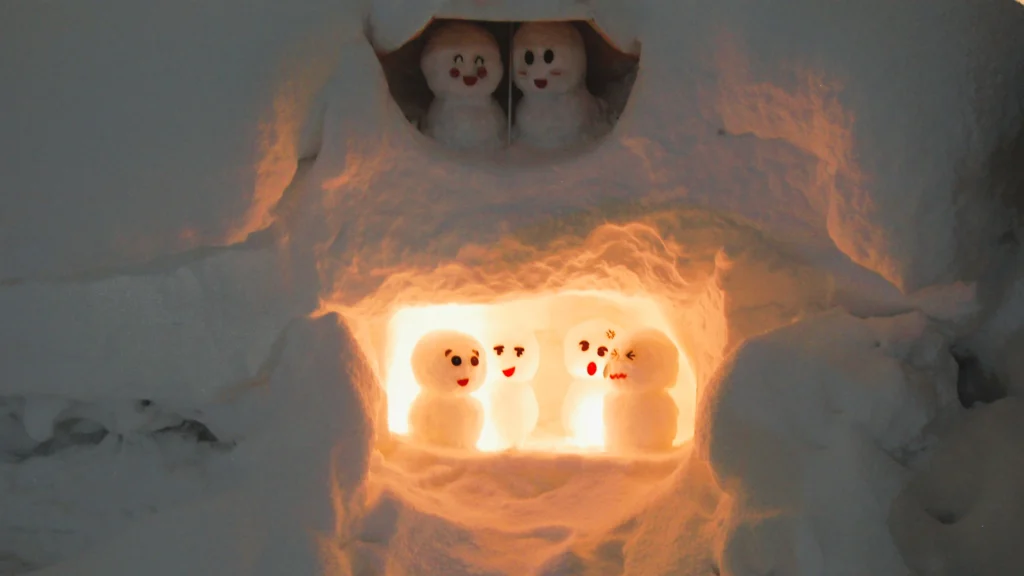
Every February, Shiramine residents plow a path through the snow-covered streets to invite visitors to thrill and laugh and ooh! and aww… at the various snowmen and snow-scenes they inventively create. Time your visit for after nightfall to enjoy the flickering candlelight and gentle yellow glow of flame tucked up alongside smiling snow-faces and silly snow-expressions.
In Shiramine, the snowmen aren’t restricted to the chilly winter months. If you wander the town with eyes open, you’ll catch sight of snowmen everywhere! There’s the snowman and snowwoman that illustrate the public restroom signs at Restaurant Saisai, and the figure-eights of snowmen diligently propping street lights under their conical hats, and the arrangement of second-story circular windows – a smaller one placed right above a larger one – at the town’s sake shop and snack-stop, Matsuhara. (If you’re in the market for a bottle of rice wine, I recommend the Kiku-hime variety.)
Shiramine’s Hot Spring
If you are inclined toward visiting the public bath, you’ll find a quaint but clean and modern facility with secure lockers and massage services. The outdoor bath only seats about six people, but you’ll have an amazing view of the Tedori River below you and the mountain peaks across the valley. Sure, the temperature is around freezing, but don’t let that stop you!
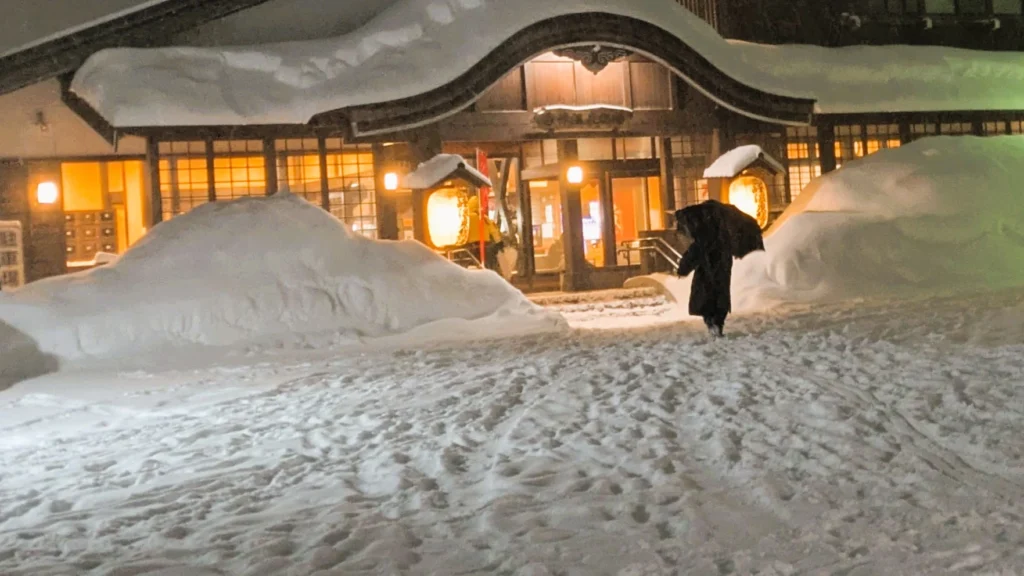
Bathing outdoors in winter remains, to this day, one of the most magical moments I’ve experienced in Japan. With snowflakes twirling down from the sky and steam twisting up from the water, you’ll find yourself in a moment unique to this place, but not only this time. It’s quite a thing to realize that, centuries ago, people sat back and soaked in the heat while watching the snow fall just as you are doing right now and, centuries on, others will do the same.
About Keri Yazawa
Keri Yazawa, a resident of Kanazawa City since 2005, guides bicycle tours specializing in good food, quirky history, local craft making, and gorgeous landscapes.
Article photos and written content © 2025 Keri Yazawa. All rights reserved.