KANAZAWA
Kanazawa Summer Cycling: River Views, Hidden Cafés & Crafts Part 1
Looking for a good bicycle ride in Japan? Of all the cycling routes I’ve ridden in this country, the Tedori River is my favorite. Located just a 30-minute train ride from Kanazawa City, it flows from the foot of Mount Hakusan, which is second only to majestic Mount Fuji (or perhaps third, depending on who you ask), all the way to the Sea of Japan. The Tedori River passes through the UNESCO Global Geopark Hakusan Tedorigawa and if it’s nature you’re looking for, it doesn’t get much greener than this! So grab a bicycle and get riding.
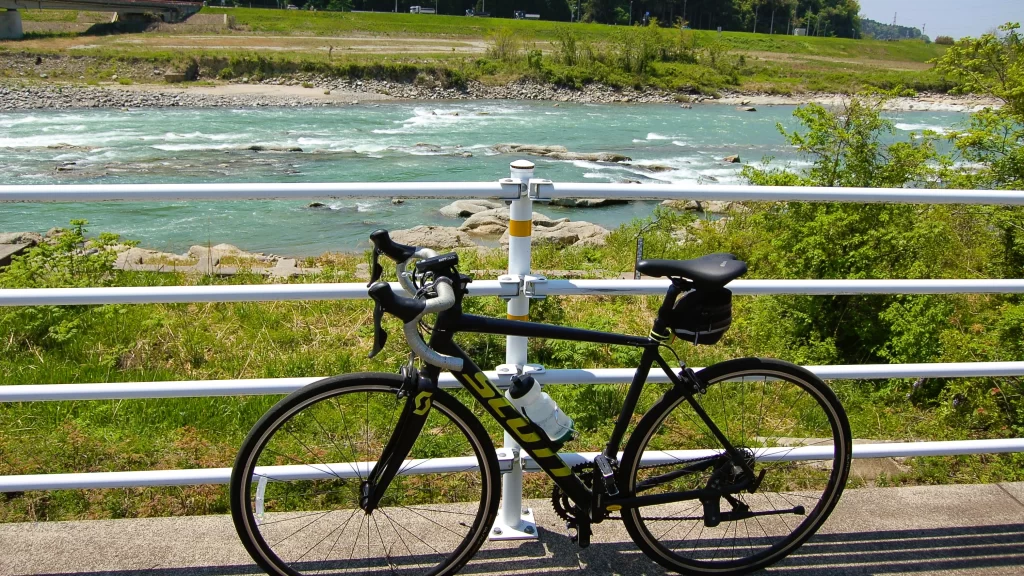
Choose Your Route
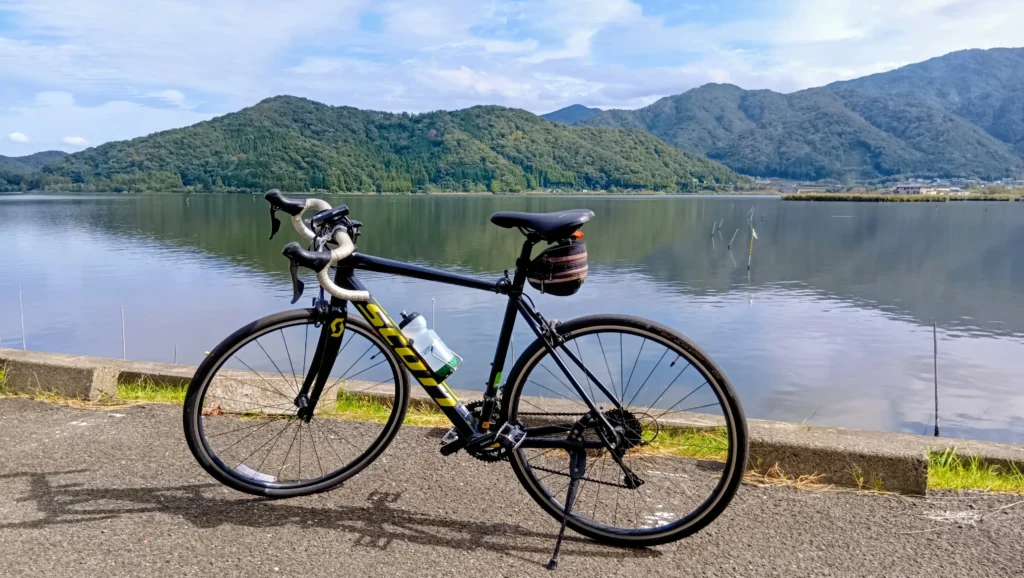
A good place to start your ride is Tsurugi Train Station where rental bicycles are available at E-CRUTTTO. There are light-weight cross bikes and powerful electric bicycles to choose from. If you’re riding in summer or aren’t interested in literally mashing pedals on your vacation, I’d go with the electric. Let the bicycle do the grunt work while you just enjoy the ride.
There are two directions to choose from: cruise down the Tedori River until you get to the seaside, or head uphill toward the mountains. (Don’t worry – it’s not that much of a challenge.) Either way, plan to ride at least 20 miles (35 kilometers) roundtrip. As there is more interesting scenery upriver, let’s head up the valley toward the mountains on the Tedori Canyon Road.
The Old Railroad Bridge
The first checkpoint on your ride explains why you’re not slogging up steep terrain: the old railway bridge.
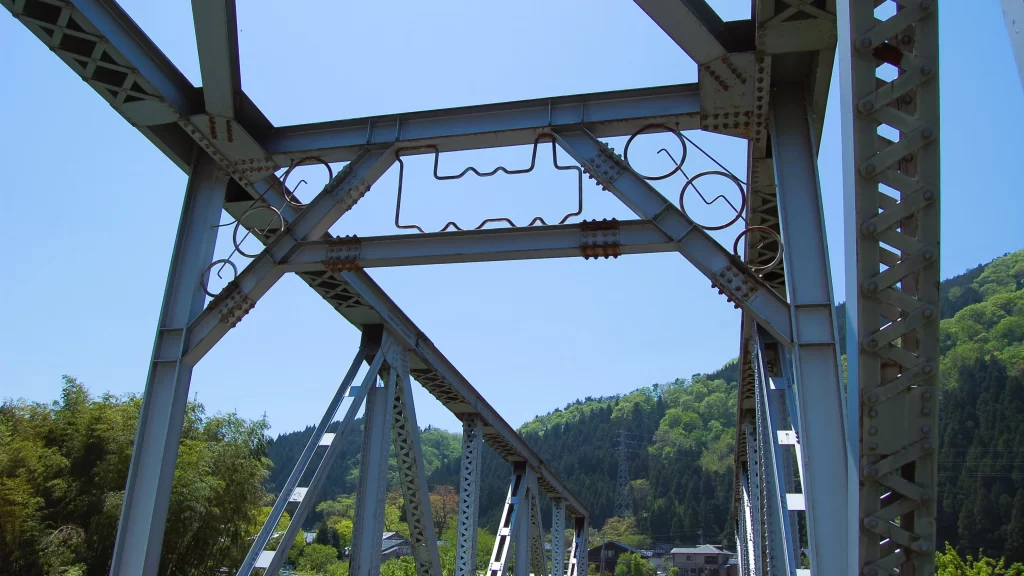
Yes, this cycling road used to be a train line, so the grade is a pretty gentle climb of about 2%. You’ll definitely notice it if you’re on a heavy conventional bicycle, hence the light-weight cross bikes and electric options.
When this portion of the train line was discontinued, the local communities decided to pave it for use as a cycling road. Elements of both trains and bicycles have been incorporated into the bridge design, but you might miss those details if you’re busy staring at the gorge beneath you, where the mint-green water of the Tedori River froths between rocky walls and swirls around massive boulders.
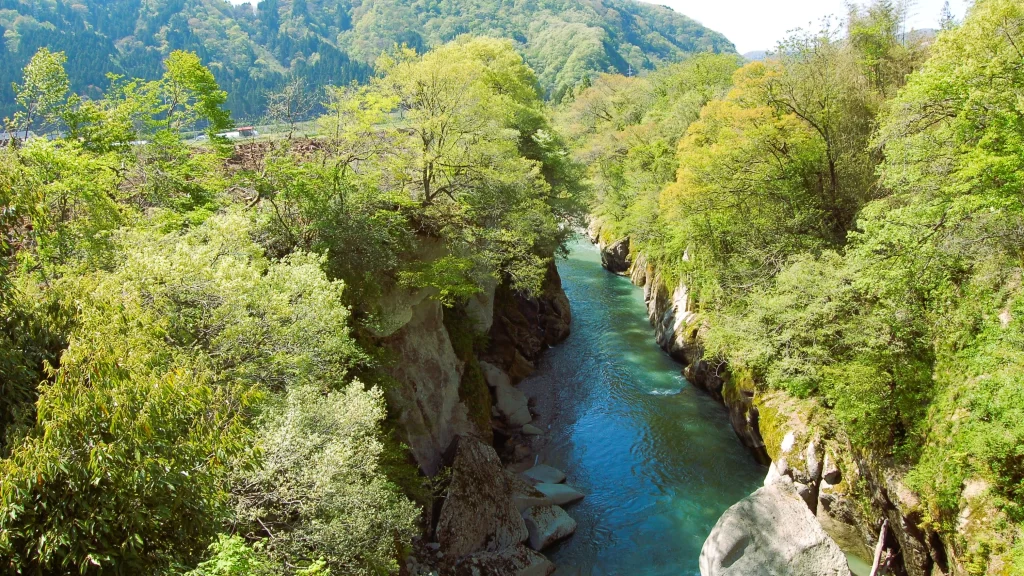
Take in the Countryside
Riding on and crossing the main road, you’ll continue along the cycling trail past small hamlets and seas of rice fields that are planted in May and start getting really green and lush in June. Before you cross the main road again, you’ll come upon an old, rickety mine sorting operation on your right. Seriously, this thing looks like it could have been built by the dwarves in Disney’s Snow White. It may look quiet and derelict, but it’s still in use and has been for decades.
If you’re riding the Tedori Canyon Road in spring, you’ll soon be treated to a long line of cherry blossoms as you cycle beside the main road.
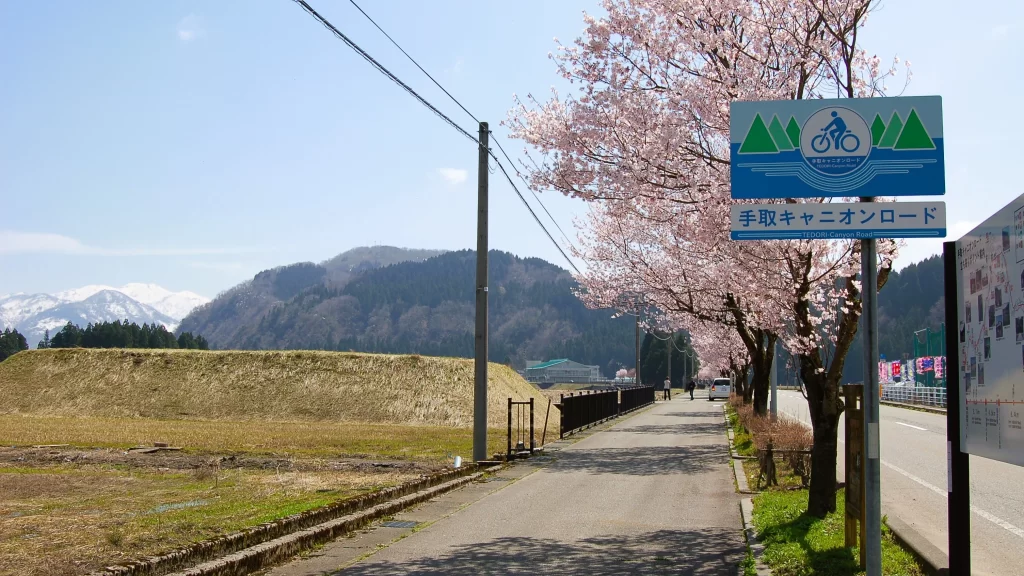
In the fall, the leaves of the cherry trees turn orange and red, their vibrant colors continuing on for at least a mile.
The Beginning and End of a Rebellion
When you reach a 3-way intersection, you have the chance to take a trip back in time to the Warring States Period (1467-1567…ish); turn right and ride up through the tunnel to the roadside market of Ikkou-ikki no Sato. Set back beyond the parking lot is a museum that tells the story of how the local farmers and fishermen and craftsmen successfully rose up against their feudal lord with the encouragement of some pot-stirring Buddhist monks.
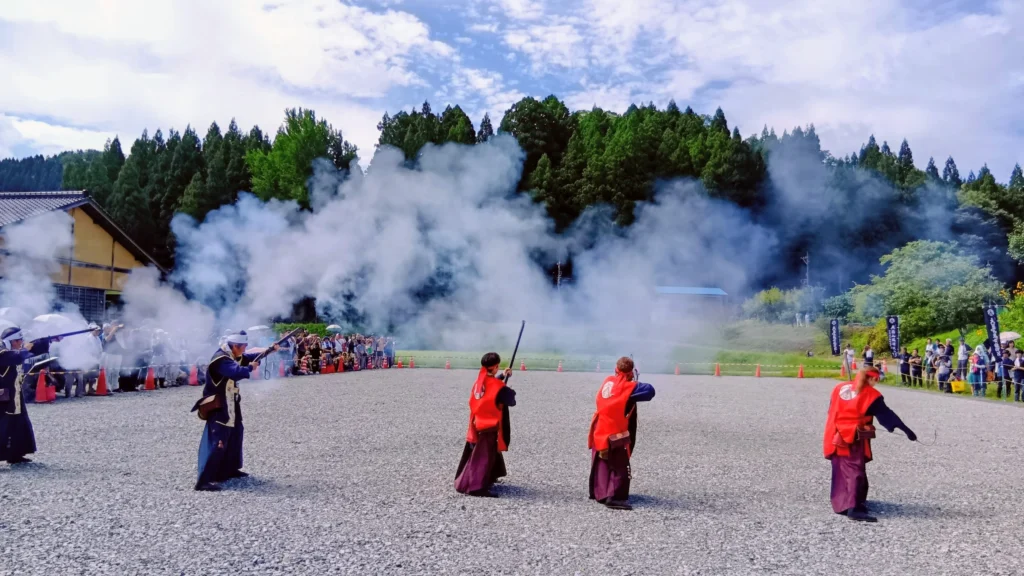
This grassroots resistance (called ikkou-ikki) popped up north, south, east, and west of Kyoto as the people got fed up with their respective lords taxing the living daylights out of them in order to pay for their trivial battles. For nearly a hundred years (1478-1574), the people here acknowledged no feudal lord and paid no taxes. As the samurai fought their wars elsewhere, these people kept to themselves.
But alas, all things must come to an end.
If you turn away from the museum and look out toward the lone hill surrounded by rice fields, you’ll be gazing at the site of the wooden fortress that once stood at its summit. This is where a couple hundred local men, armed with rifles, held their ground against an army of samurai in 1574.
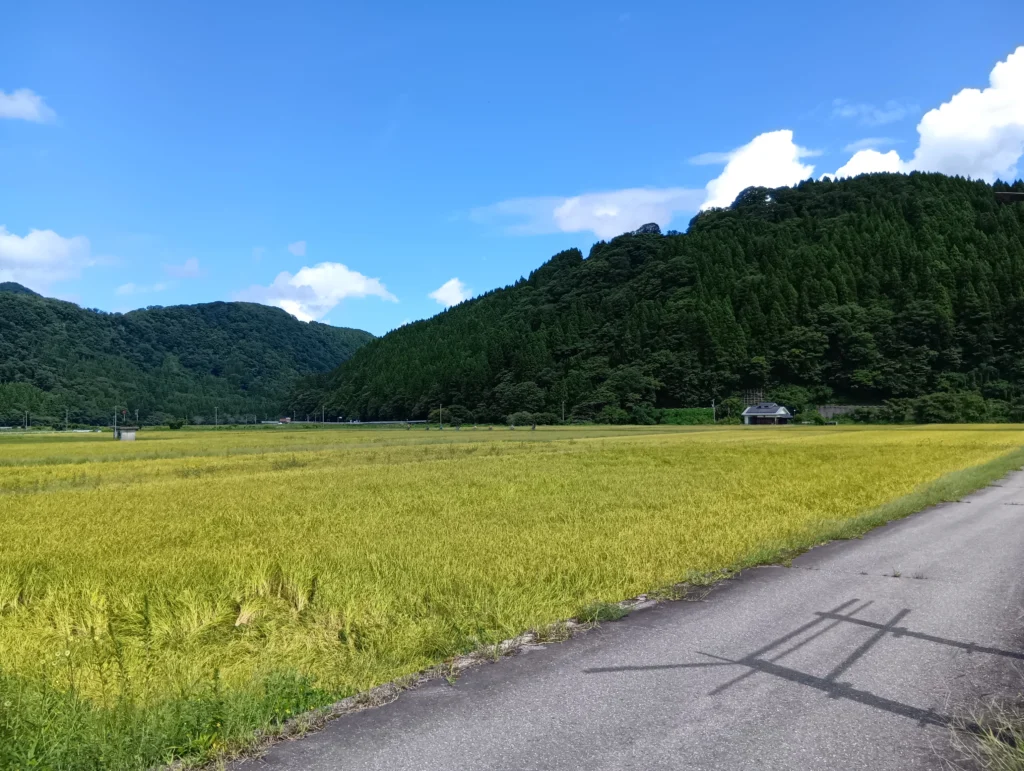
They made their last stand up there, fighting for the freedom to govern themselves. The fortress itself is long gone, so if you want an idea of what it might have looked like, you’ll have to check out the dioramas in the Ikkou-ikki Historical Museum. The exhibits are all in Japanese, of course, so bring a translator (be it a guide or an app on your phone).
If you’ve arranged for a guide to accompany you by electric bicycle, he or she can take you up to the top of the mountain to the site of the castle ruins. The building layout has been marked out on the ground and you can see two of the old gates, both faithfully reconstructed about 50 years ago in the style of the 16th century.
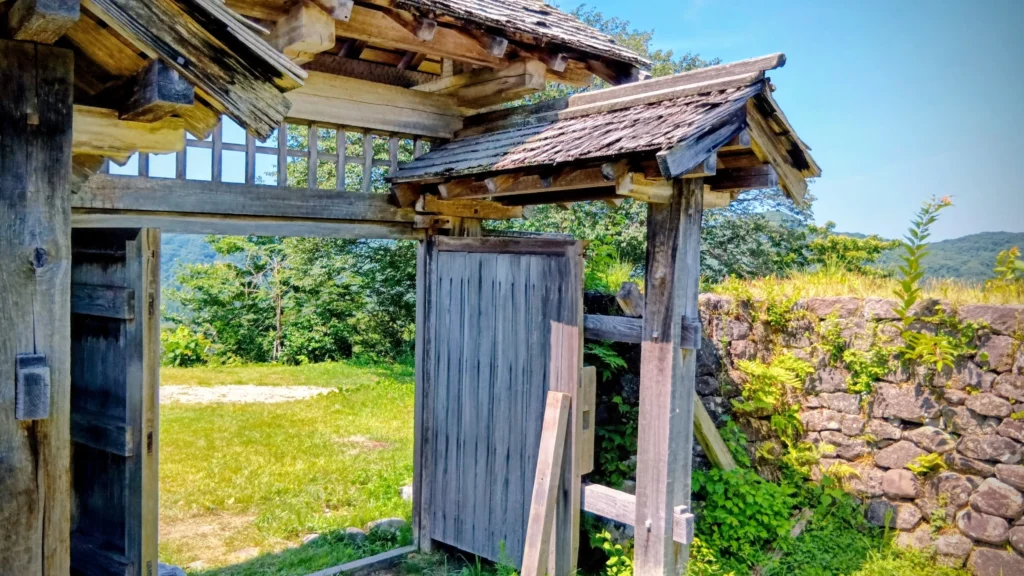
And the view from the top of the mountain is spectacular, so take a video before you leave.
Did Someone Say “Waterfall?”
I’ve saved the best for last. Get on your bicycle and head back the way you came through the tunnel to get back on the cycling road. After about 3 miles, you’ll arrive at the Tedori Gorge’s 105-foot-tall Watagataki Waterfall. It won’t look like much when you first arrive: just a yellow restroom building and a parking lot. To see the falls, you’ll have to take the stairs (about 140 of them) down into the gorge.
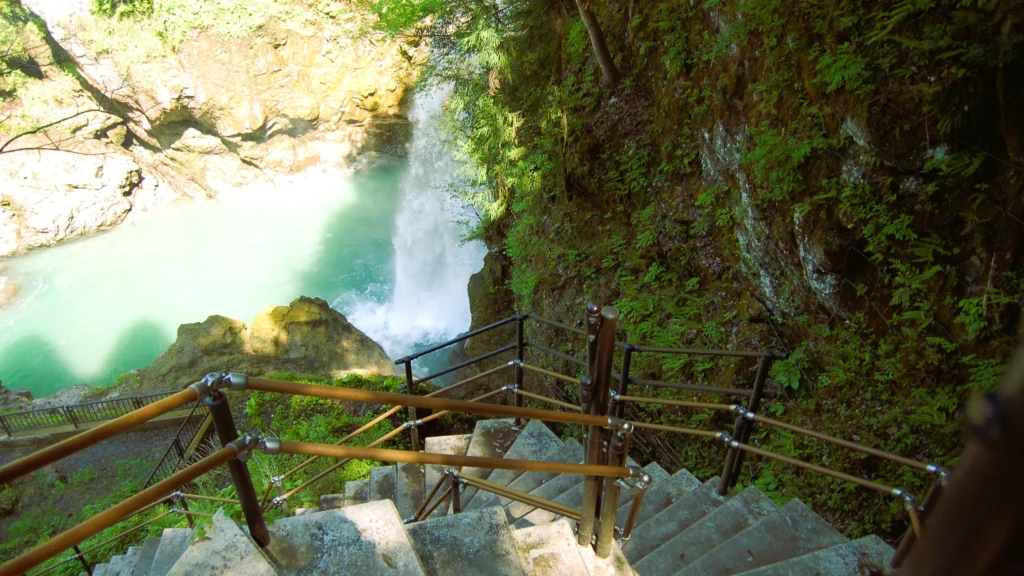
If you’re not eager to go down and up again, there’s also a wooden pavilion just a 5-minute walk from the parking lot (downriver from the restrooms) where you can get a near-bird’s eye view of the waterfall.
At this point, you could call it a day and start the return trip back to Tsurugi. But if you’re up for a challenge, keep going until you run out of cycling road. Turn left, ride over the orange bridge and then up, up, and up to Roadside Station Sena where you’ll find a souvenir shop and restaurants.
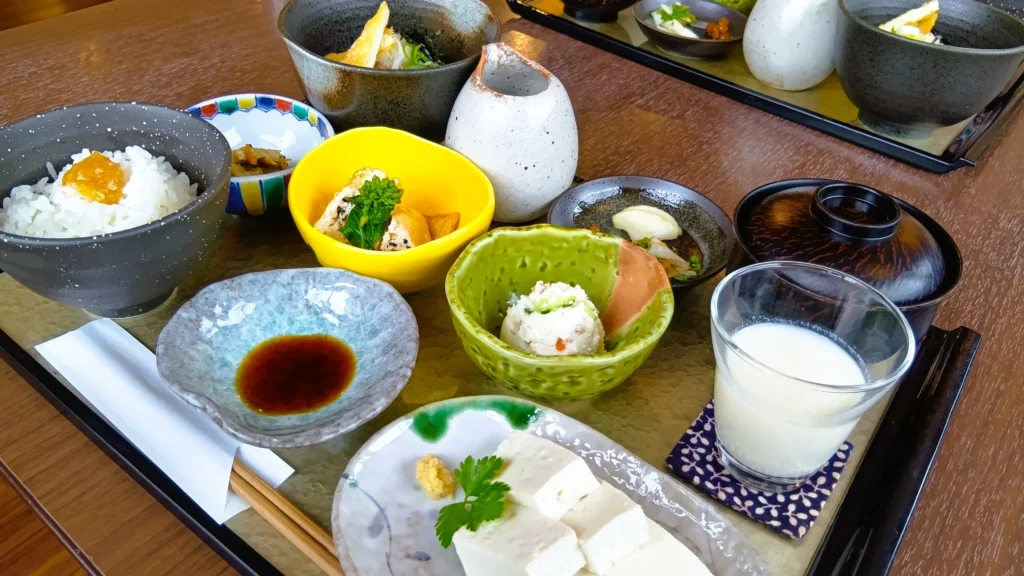
Of course, there are other cafes, bakeries, and restaurants along the Tedori Cycling Road, so even if you decide to turn back after the waterfall, you’re sure to find something tasty for lunch.
Want to know what else there is along the Tedori River?
Continue to Part 2: https://kizunatravel.com/travel/area/KANAZAWA/hakusan-cycling-pedaling-through-mountains-and-centuries-of-history-part-2/
About Keri Yazawa
Keri Yazawa, a resident of Kanazawa City since 2005, guides bicycle tours specializing in good food, quirky history, local craft making, and gorgeous landscapes.
Article photos and written content © 2025 Keri Yazawa. All rights reserved.