KANAZAWA
Tsuruga: A Port of Stories on Japan’s West Coast
If you’re traveling along the west coast of Japan, there’s a bayside city on the way that’s well worth spending an afternoon in. Tsuruga, in Fukui Prefecture, is the main transfer hub for the Hokuriku Shinkansen. If you’re going traveling between Kanazawa and Kyoto, you’ll be changing trains there, so why not poke around for a few hours on your way to your next destination?
A Gateway to Long Life
A place of homage for emperors in ancient times, Kehi Jingu has existed here even before holy deities are said to have paid the site a visit two thousand years ago. The purview of its enshrined deity (Izasawake no Mikoto) is perhaps one reason for the shrine’s continued importance through the millennia: food, clothing, shelter, and safety in ventures both on sea and on land. Concerns we can all relate to.
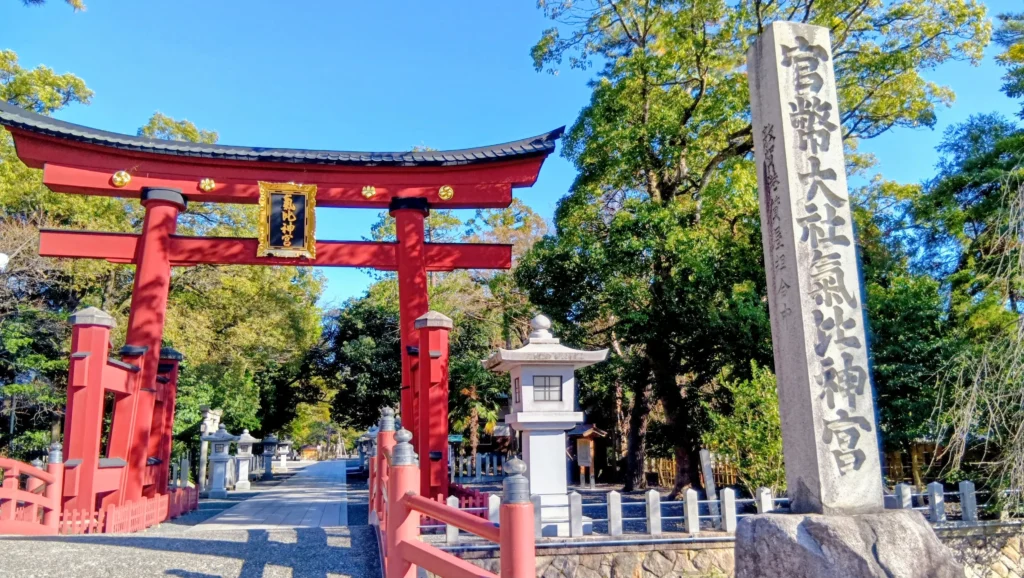
Today, its massive red gate is ranked as one of Japan’s three greatest Shinto gates, dating back to 1645, and a survivor of air raids during World War II, which demolished the shrine’s main hall but miraculously missed the main gate.
A visit to any shrine in Japan will have you passing by a spring where visitors may cleanse their hands before proceeding. Often, the spigot is in the shape of a dragon, the guardian of water, but not at Kehi Jingu. In the year 702, as the shrine was expanding to include several additional deities (one of which was known for his exceptionally long life), a natural spring burst forth. This divine water continues to pour even to this day via the mouth of a stone tortoise.
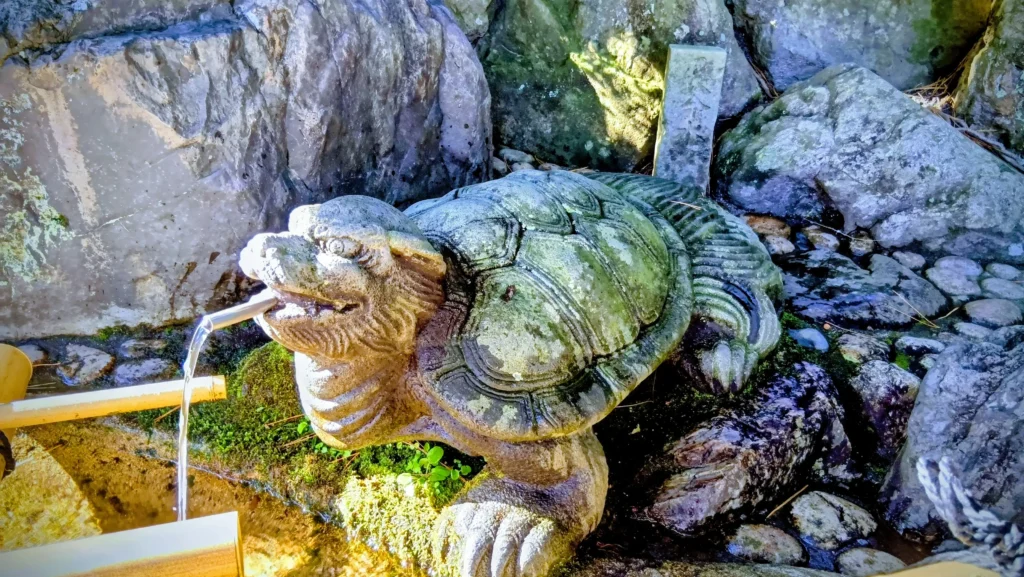
Why a tortoise? Because it represents longevity. A very appropriate bearer of Kehi Jingu’s “Long-Life Water.”
The Celebration Never Ends
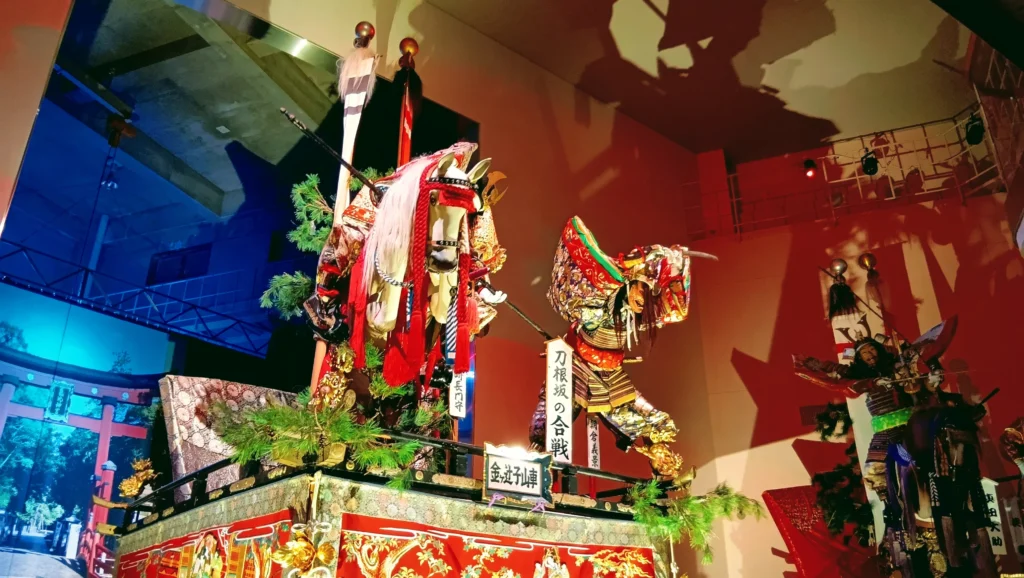
Every September, the streets of Tsuruga are flooded with color and energy as traditional floats are wheeled along the main thoroughfare. The festival goes back over 400 years and, at one time, dozens of floats were enthusiastically pulled through the city by neighborhood teams. Only three floats managed to dodge the bombs dropped during World War II and an additional three have been reconstructed, bringing the total number of floats to six. So tall that power lines have to be hooked and lifted up to allow them to pass underneath, these floats are the bearers of life-size historical figures and their equine mounts, all attired in authentic, traditional armor.
If your travels won’t allow for you to see the magnificence of the Tsuruga Festival in person, plan a visit to the Minato Tsuruga Float Museum. Upon your arrival, you’ll be invited to relax in the two-story theater space where a short documentary film (subtitled in your preferred language) is projected upon a massive wall, offering a near-immersive experience in comfort. At the conclusion of the film, the back wall opens up, and Tsuruga’s oldest and most elaborate float emerges.
There’s a lot to see in this small museum, from the craftsmanship of the life-size dolls themselves to their authentic armor to the embroidered curtains surrounding the base of the float. The second floor of the museum offers exhibits where you can walk right up to the actual artifacts.
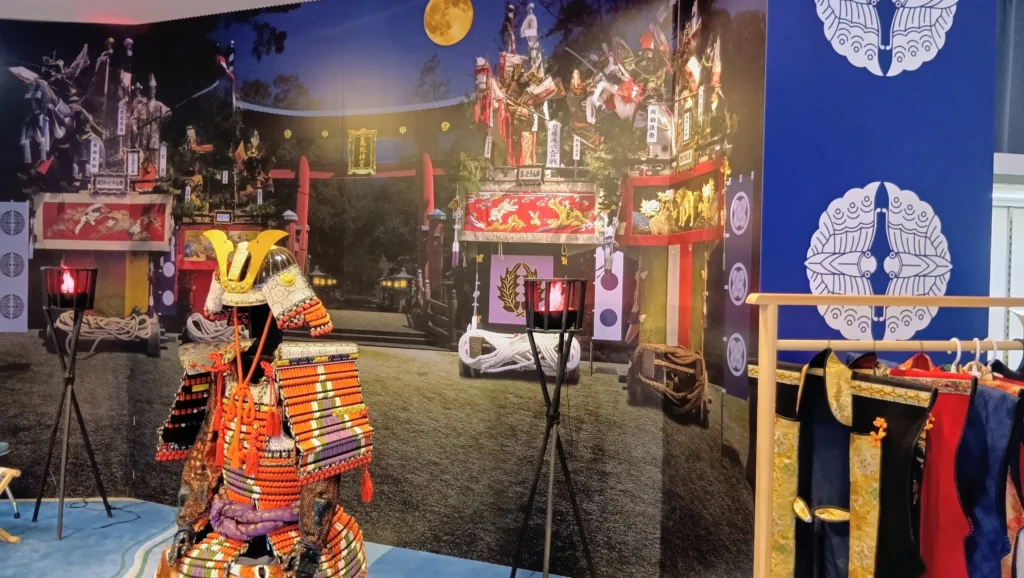
Before you leave, make time to try on period costumes in the lobby and snap some photos for the scrapbook back home.
A Port for Heroism
As a bay town, Tsuruga has enjoyed a thriving Maritime economy. In feudal times, it was a key port in domestic trade. However, in the 20th century, Tsuruga Port played an indispensable and heroic role on two separate occasions. Both stories are skillfully presented at Tsuruga’s Port of Humanity Museum.
Don’t let the stuffy name put you off. You’ll want to spend at least an hour there and, if you’re prone to crying at the end of really good movies, then you’ll want to bring some tissues along.
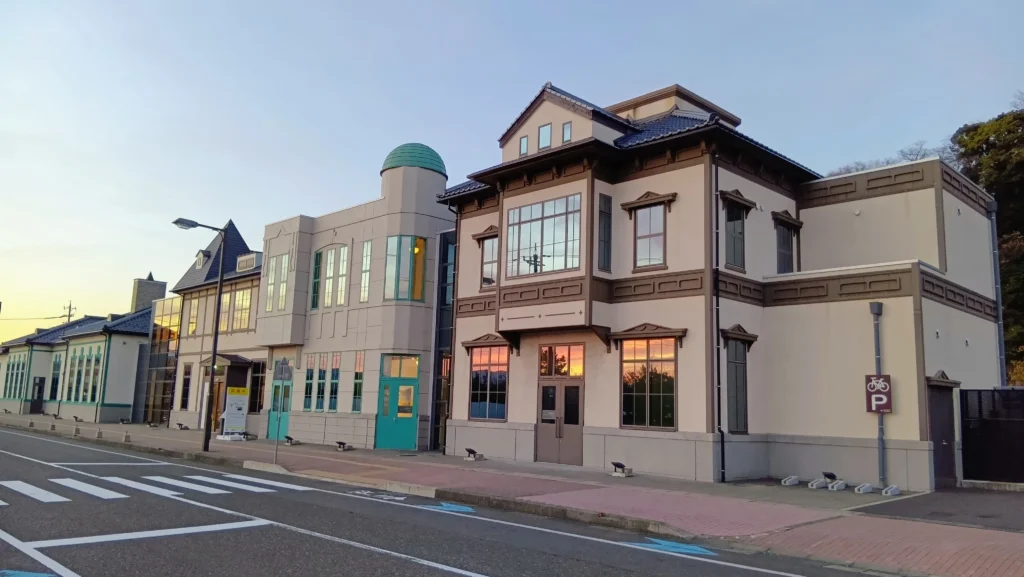
The first tale of heroism takes place in the 1920s when over 700 Polish orphans, who had been stranded in Siberia, were successfully rescued thanks to the efforts of the local Polish community in Vladivostok and the entire community of Tsuruga. All were safely returned to their home country and their testimonials about their brief stay in Japan are some of the most powerful you’ll ever read.
Tsuruga’s second heroic role occurred during World War II when refugees fleeing the Nazi Regime flocked to the tiny office of Lithuania’s Japanese Embassy. The Japanese representative, a man named Chiune Sugihara, worked tirelessly to save lives. In less than two years, he issued thousands of visas that allowed refugees to depart from Vladivostok to Tsuruga Port before their travels led them to their final destination and safety. Listen to his audio interview as he recounts his time in Lithuania and read through the anecdotes provided by local residents of Tsuruga who interacted with the Europeans who passed through their city.
If you have time to walk the streets a bit, the route from Tsuruga Station to Kehi Jingu offers an immersive experience in Japan from the 70s and 80s.
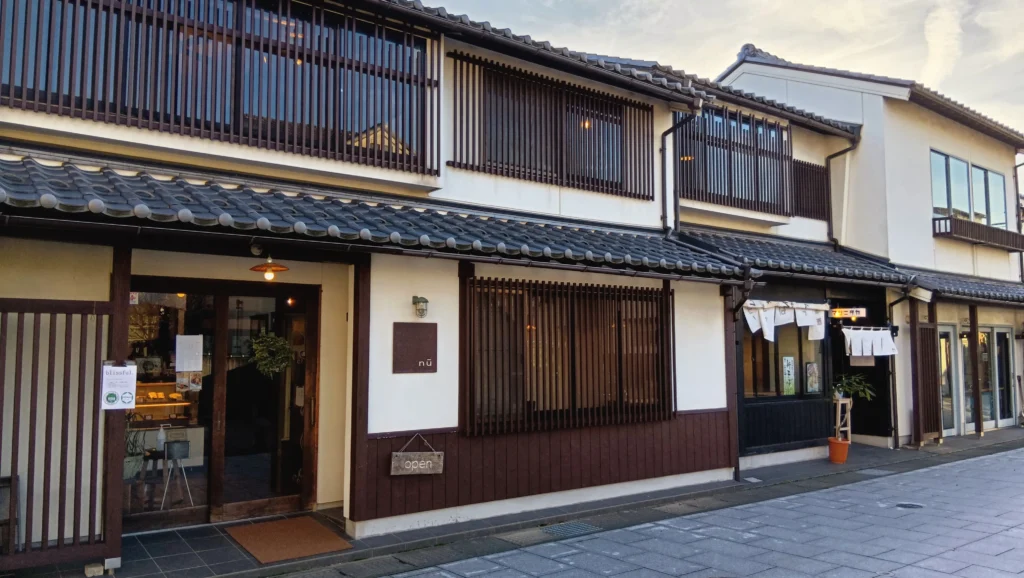
Also, the historic neighborhood just a couple of blocks west of the Tsuruga Minato Float Museum is a charming place to have lunch or a cup of coffee and pay a visit to the adorable Kami-Warabe (or, Paper Doll) Museum. Take a sunset stroll along Tsuruga Bay near the Port of Humanity Museum and bring home another unique memory from your time in Japan.
About Keri Yazawa
Keri Yazawa, a resident of Kanazawa City since 2005, guides bicycle tours specializing in good food, quirky history, local craft making, and gorgeous landscapes.
Article photos and written content © 2025 Keri Yazawa. All rights reserved.