
FOOD
Guide to Japan’s Delicious Supermarket Foods: What to Buy & Bring Home
It may seem like a mundane activity while you’re on an exciting once-of-a-lifetime vacation, but shopping at a Japanese supermarket is an experience that is hard to come by anywhere else in the world. It can be overwhelming and baffling for first-timers, but here is a list of items that I personally recommend, either for your enjoyment while you’re in the country or to tuck into your suitcase to take home with you.
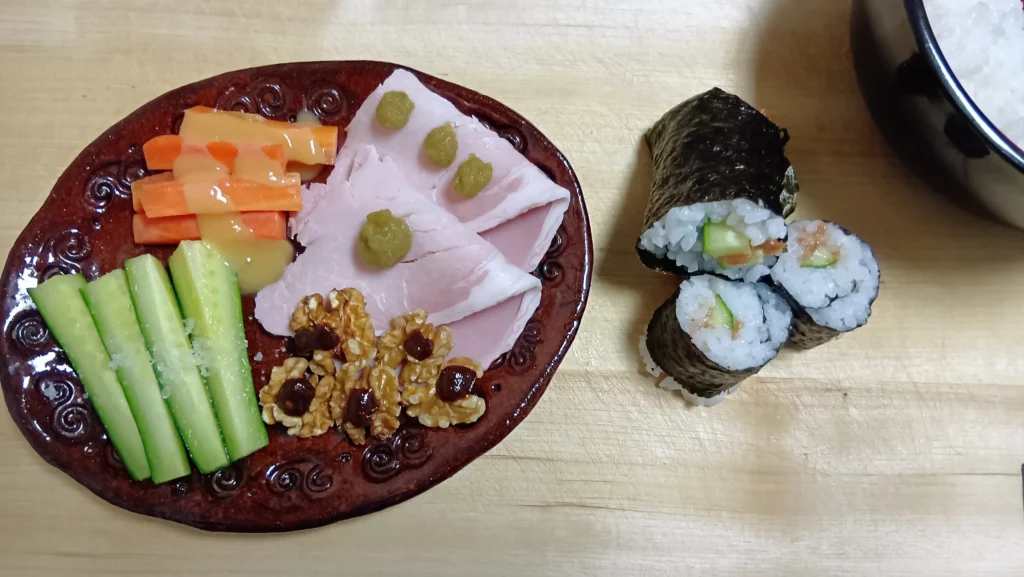
Japanese sea salt is great for salads and vegetable sticks. As a cooking ingredient, it’s much milder than the salt you’re probably used to. Many areas in Japan still employ the traditional methods of harvesting salt from the sea as well.
Powdered vinegar for sushi rice gives whatever sticky rice that is available in your area that extra zing! Plus, it’s much safer to transport in your luggage than an actual bottle of sushi rice vinegar.
Sheets of seasoned seaweed, or nori, will never be fresher than this. Crispy enough to eat all on their own, you can also make rolled sushi with them.
Pickled plum paste is used to make one of my very favorite kinds of sushi, which is not available everywhere as it’s rather humble, but oh so good. Sour plum, refreshing cucumber, tangy vinegar rice, and seasoned nori seaweed are, in my opinion, perfection.
Yuzu and green chilli sauce, or yuzu kosho, is my all time favorite chicken, duck, and pork accompaniment. I’m not kidding when I say I look for excuses to dab or dip with it. (It makes an especially awesome ham sandwich.)
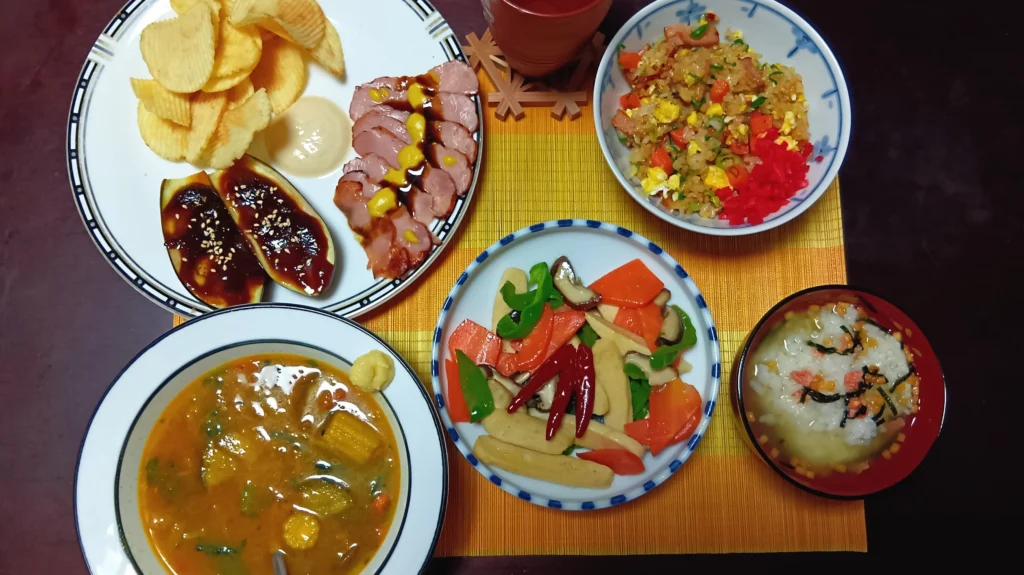
Another great option for dips and vegetable sauces is miso. There are a lot of different kinds of miso, so get the one that is a ready-to-eat sauce, no cooking required. My favorite is flavored with a Japanese citrus fruit called yuzu. Yuzu miso pairs well with lots of foods, including carrots.
Mix dipping miso with mayonnaise, yogurt, or aioli to make an easy and tasty chip dip. Or spread plain miso sauce on roasted eggplant for a simple and tasty dish.
When people talk about “sauce” in Japan, they’re usually referring to something that you put on top of country fried pork steaks (Japanese ton-katsu). It’s also nice with beef, bacon, and fried chicken. Give it a try if you have a chance!
Japanese yellow mustard is not for the faint of heart (or nose). It contains horseradish, so if you’re a fan of wasabi, then this is for you! I buy it in a powder, mix with a little water, set aside for 5 minutes, and then voila! Mustard mustered.
Fans of Japanese curry will appreciate raw, grated ginger, which is a yellow paste that can be purchased in tubes and squeeze bottles. I’ve found that it tends to bring the level of spiciness down in curries if I add it with the garlic and curry paste at the beginning of the cooking process.
Togarashi, or Japanese red chilli peppers, will warm up any dish, be it a casserole, a stirfry, or a soup. You can buy them dried in the spice section as whole chillies or in very thin, sliced rings.
Who doesn’t love fried rice? Pick up a seasoning mix for making your own at home and throw in some green onion, scrambled egg, diced carrots, and cubes of ham or bacon!
Fried rice isn’t complete without red pickled ginger, or beni shoga. Tart and sour, it’s a must for an exciting contrast to the satisfying, mellow flavors of Japanese fried rice. (I usually ask for double or triple servings of red pickled ginger at restaurants. It’s just that good.)
One of my very first favorite, easy-to-make-at-home Japanese foods was ochazuke, which is rice in green tea. Packs of dehydrated tea and seasonings are sold at every supermarket and convenience store, so all you need is some rice and some hot water! Common ochazuke flavors are salmon, pickled plum (or, ume), and wasabi.
But what about breakfast things? Well, recently, Japanese cereal makers are daring beyond the basic cornflakes of twenty years ago. You can now buy sweet, toasted bean granola (which is great with whole milk or almond milk) or matcha (green tea) flavored granola – eat it as a cereal or sprinkle it on top of strawberry yogurt!
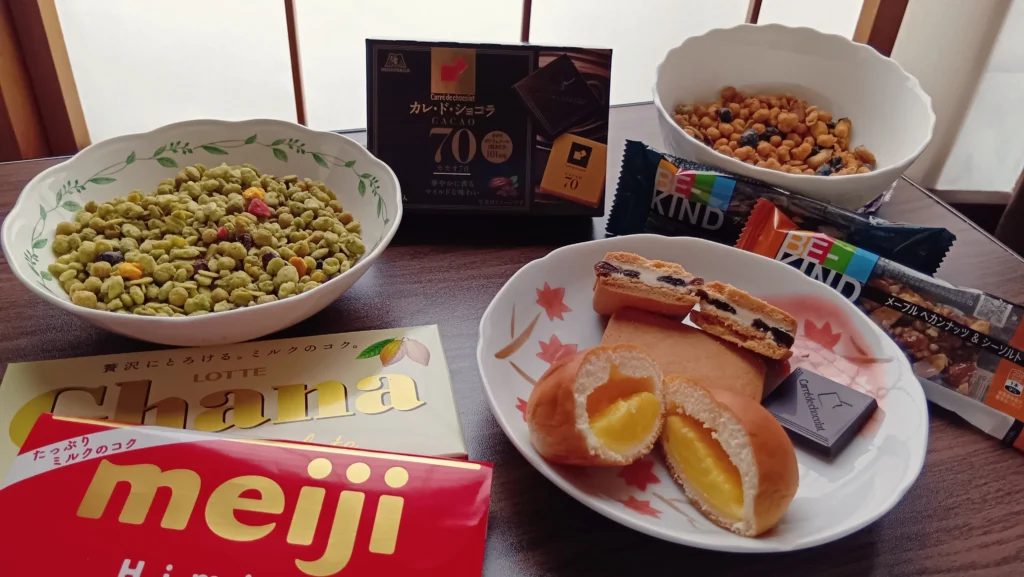
The Be Kind brand of protein bar is very edible. It’s caramelized almonds, pecans, and other nuts. The ones I always buy have sea salt included.
Raisin sandwich cookies should be on your shopping list if you’re a fan of butter and raisins. They’re incredible with tea or coffee and you can find some of the tastiest ones at 7-11 convenience stores.
Japan’s answer to cream-filled doughnuts is cream-filled bread rolls. Yes, I know it sounds kind of underwhelming, but one good brand to try is Yamazaki, which makes a pack of four mini-buns, and will hit the spot when you’re craving carbs on the go.
Last but certainly not least, chocolate! Japanese chocolate – even the humdrum totally normal chocolate bars that you can pick up at the convenience stores – is amazing. Meiji, Morinaga, and Lotte brands all make rich and flavorful chocolate bars to rival Godiva and Lindt and many other “high end” chocolatiers. Seasonal strawberry chocolate and green tea chocolate bars are also incredible.
So take your shopping list to a supermarket and pick up your favorite flavors for jazzing up dishes back home because why leave the taste of Japan behind when your trip is over? There are plenty of sauces, seasonings, and sweet things that’ll pack well in your suitcase.
About Keri Yazawa
Keri Yazawa, a resident of Kanazawa City since 2005, guides bicycle tours specializing in good food, quirky history, local craft making, and gorgeous landscapes.
Article photos and written content © 2025 Keri Yazawa. All rights reserved.