FOOD
Noodles of Japan: From Hearty Ramen to Delicate Soba
Ramen! We’ve all tried it at some point in our lives, either out of a styrofoam cup (Thank you, Cup Noddle!) or from a crinkly, rectangular plastic package. However, those reconstituted meals are no match for the real thing, a fact you will quickly discover once you find your way to an actual ramen restaurant.
Although ramen originates from China, it has been wholeheartedly embraced by the Japanese (who never let the width of an ocean get in the way of injecting good food into their diet). A typical bowl of ramen should, by Japanese standards, have fantastic soup (drinkable nearly down to the dregs at the bottom), slices of smoked pork (called chashu), a boiled egg, a few vegetables for color, and noodles. (Of course.)
A Hearty Bowl
Just about every ramen restaurant (or chain restaurant) has its own secret soup recipe and a variety of topping options to choose from. One of my favorites is crafted by Sapporo Shrimp Noodle Ebimensha. There’s the standard slice (or slices if you choose to upgrade your meat portion) of smoked pork and a favor-infused boiled egg, but from there things veer toward a wild combination of crispy, deep fried burdock root (gobou), a ribbon of shaved carrot, a single green bean, a sashimi-stye prawn, and a thin slice of baguette. All swimming in a bisque-like soup that consists of just about every delicious, savory stock you can think of: chicken, pork, fish, and shrimp… just to name a few.
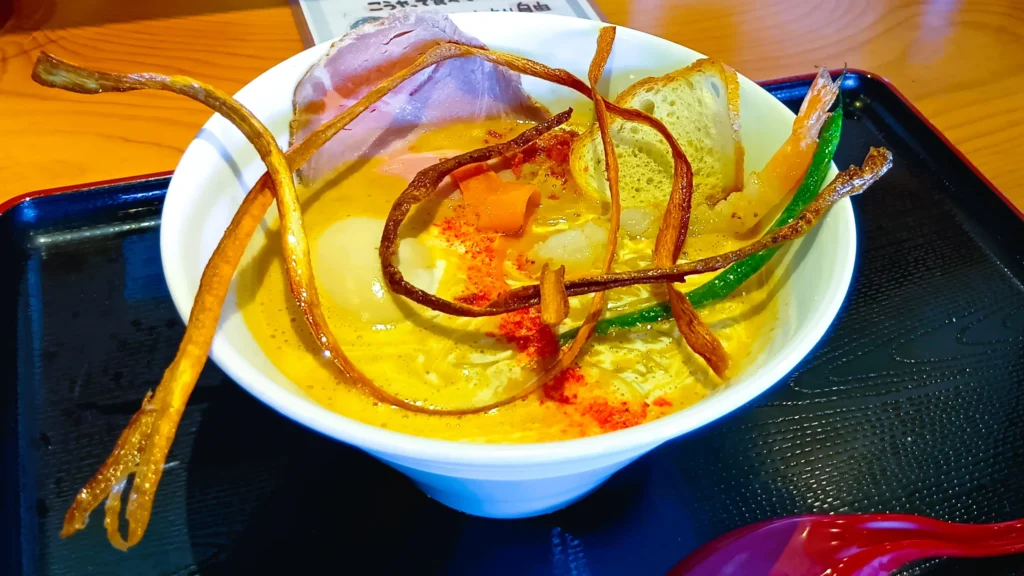
Once you’ve gobbled up the last noodle, mix some rice in the remaining soup, which is very thick and hearty, giving you a truly filling finish to your meal.
Something Light
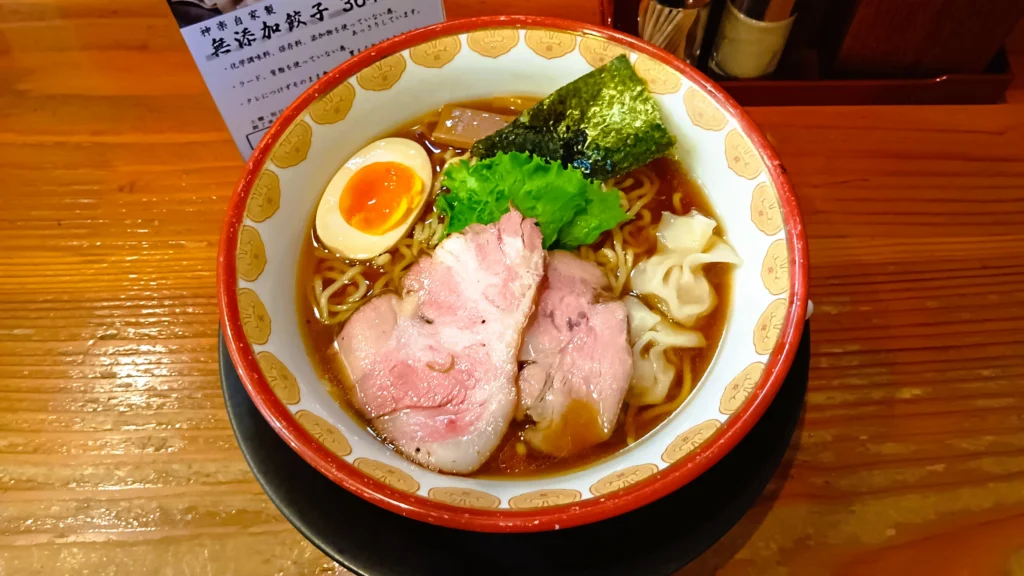
But OK, maybe your stomach just isn’t ready for the wallop of the truly decadent variety. Another of my favorite ramen places makes everything by hand using all natural ingredients, carefully keeping the salt and oil to a minimum: at Kanazawa City’s Kagura Soba, I can order what I affectionately call “healthy ramen.”
The soup is made with a delicate balance of soy sauce and a blend of chicken, pork, fish, scallops, and seaweed (konbu). It’s light without being on the thin side, and leaves plenty of room for the handmade noodles, juicy wanton dumplings, and slices of pork that have been smoked to perfection.
Simple is Best
Another variety of ramen to try are specialties only available in villages in the countryside. If you’re getting around by car, one of the most picturesque places to stop for lunch outside of Kanazawa is Shiramine Town, where the locals descend on the village’s noodle place for lunch and everyone orders the same thing: inari ramen. It’s served with a robust and slightly sweet soup stock made from local river fish. Plentiful slices of fried tofu soak up the flavor of the soup and a sprinkling of green onion delivers the unique combination of sharp and tangy that only fresh green onions can manage.
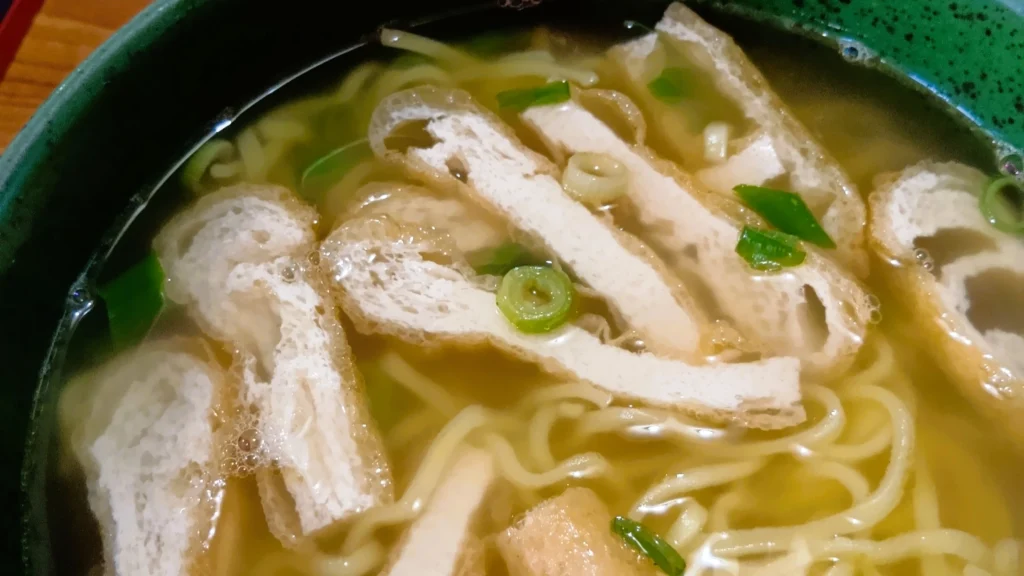
As ramen goes, it’s simple yet surprisingly satisfying and a meal to be savored long after the fact.
What?! More Noodles??
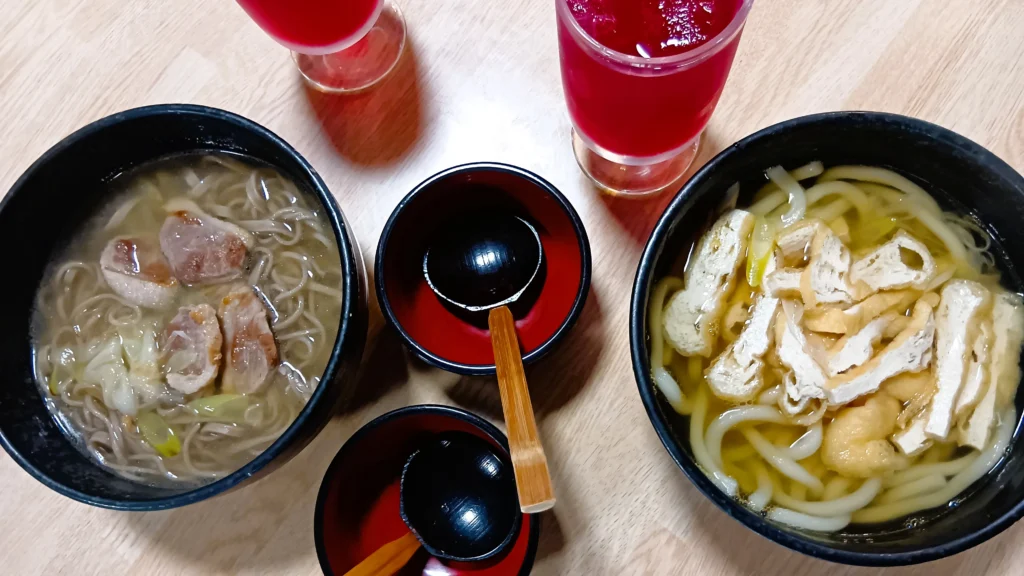
While ramen is probably the most popular type of noodle in Japanese cuisine, it’s not the only show in town. Buckwheat noodles, called soba, are widely eaten in the countryside. They offer fewer carbohydrates and more plant-based protein than ramen noodles. Try them served hot with slices of roasted duck and green onion. Or, if you’re in the mood for something chewy, order some udon noodles. Udon are a great “starter” noodle in that they are much wider than ramen or soba. Plus, they are packed with carbs and tend to happily combine with just about any kind of soup, including Japanese curry. A topping of fried tofu is what I recommend. (Save the grated, sticky mountain potato – or, tororo – for a later date after you’ve graduated from Noodle 101.)
For most of us, hot noodles are the only kind of noodles we’ve ever had (apart from, perhaps, a pasta salad of some kind), but Japanese noodles – udon, soba, and even ramen – can be enjoyed just as much cold. Cold noodles are cooked, rinsed, and plated up on a wooden mat that allows any excess water to fall through the slats and onto the plate.
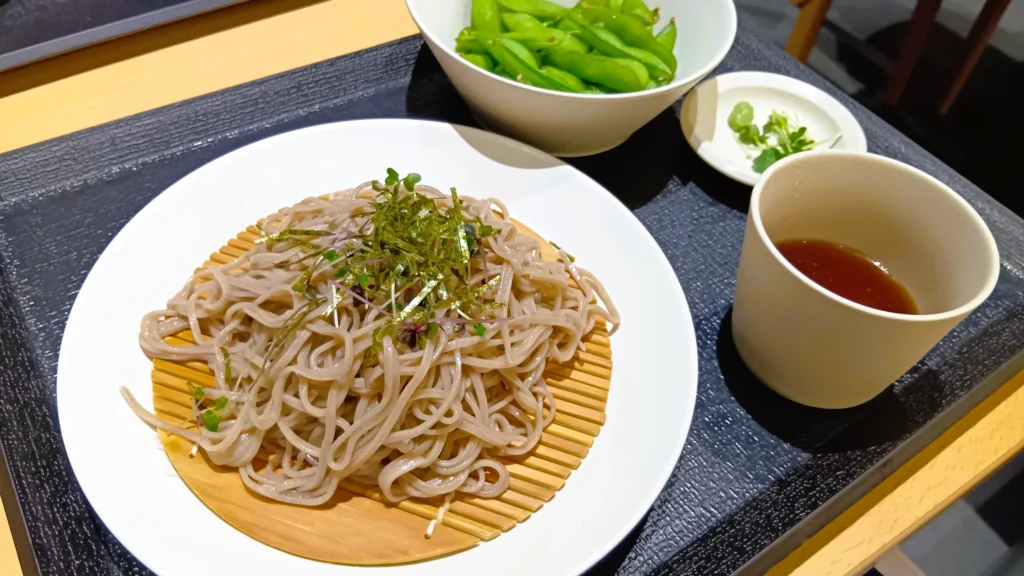
Wasabi is provided, too, and can either be mixed into the cup of cold soup, which is usually soy sauce based but will likely have fish stock in it as well, or you can dab a bit of wasabi right onto the noodles before you dip-and-slurp.
Did You Say “Slurp the Noodles”?
Yes, slurp!
While slurping one’s food is a big no-no in many countries, in the case of Japanese noodles, it’s encouraged for two reasons. First of all, the loud and vigorous consumption of noodles tells the cook that you’re enjoying the meal rather than suffering through each bite. Secondly, the mixing of air with your food carries the aroma to your nose, augmenting the flavor experienced by your taste buds and rounding out the experience. Without slurping, you’re only getting half of the fun.
But just like anything, it takes practice. So maybe tuck a couple napkins or facial tissues into the neck of your shirt. Until you’ve got the hang of wrangling those long unruly noodles, better safe than sorry.
About Keri Yazawa
Keri Yazawa, a resident of Kanazawa City since 2005, guides bicycle tours specializing in good food, quirky history, local craft making, and gorgeous landscapes.
Article photos and written content © 2025 Keri Yazawa. All rights reserved.